Italy History & Art: Ruins, Museums & Cultural Cities
Explore Italy’s ancient ruins, art cities, museums and historic architecture. Choose a cultural guide, compare regional routes and plan visits that fit the pace of your holiday.
Explore This Guide
Quick Planning Answer
Best first cultural trip: combine Rome and Florence in seven days. Add Venice when ten days or more are available.
Best for ancient Rome: pair Rome with Naples and choose Pompeii or Herculaneum as the main archaeological day.
Best for Greek archaeology: choose Paestum for an easy mainland stop or focus on one part of Sicily for Agrigento, Syracuse, Selinunte or Segesta.
Best for Etruscan history: explore northern Lazio and southern Tuscany. A car makes the wider route much easier.
Best for Renaissance art: begin in Florence, then add Urbino, Ferrara, Mantua or Pienza according to the wider itinerary.
Best for Baroque architecture: choose the Val di Noto in south-eastern Sicily or Lecce and the Valle d’Itria in Puglia.
Best for a museum-focused trip: Florence offers the clearest Renaissance introduction, Rome the widest historical range, and Naples the strongest archaeological collection.
Best without a car: connect Venice, Florence and Rome by train, or use Bologna as a northern cultural base.
Explore Ancient Italy
Italy’s ancient past is not a single Roman story. Greek colonies shaped the south, Etruscan cities influenced central Italy, and Roman expansion connected the peninsula through roads, ports, villas and urban centres. The four guides below help distinguish these layers and choose sites that fit the route.
Best Ancient Ruins in Italy
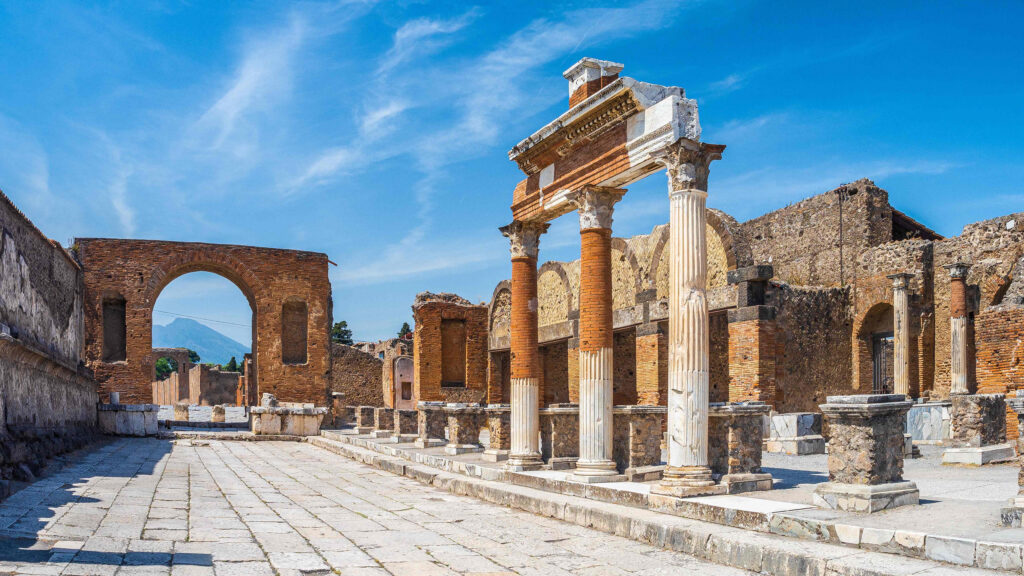
Start with a broad overview of Italy’s archaeological sites. Compare Rome’s monumental centre with Pompeii, Herculaneum, Ostia Antica, Paestum, Agrigento, Syracuse and Hadrian’s Villa. Use the guide to choose between a buried city, standing temples, an imperial residence or an archaeological visit that fits into a city break.
Best for: comparing major archaeological experiences.
Read guide: Best Ancient Ruins in Italy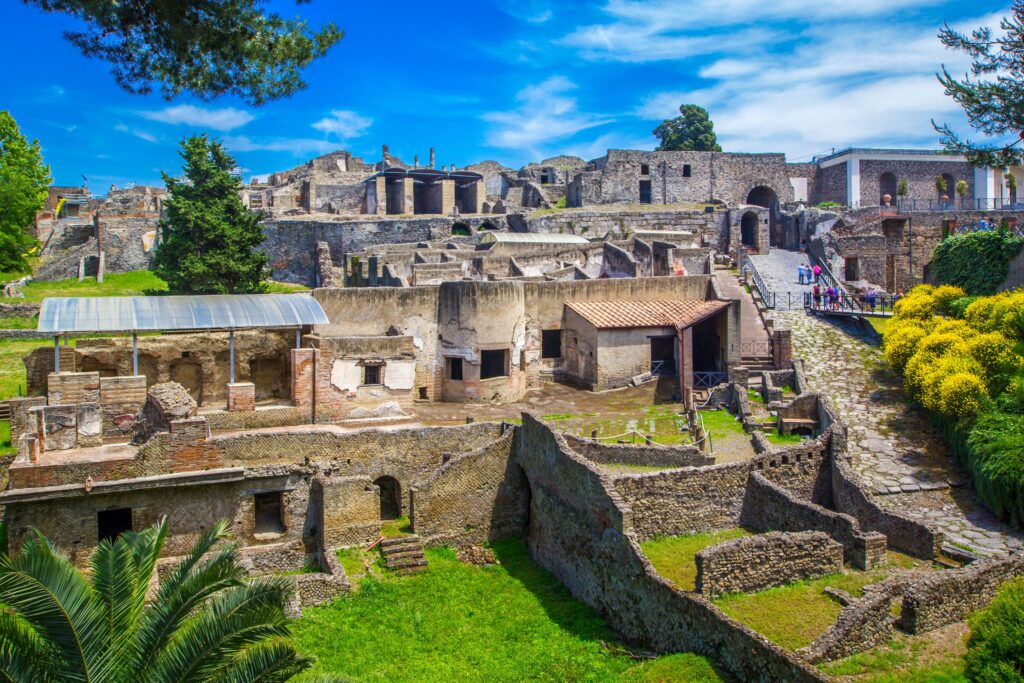
Roman Sites Beyond Rome
Look beyond Rome to buried cities, amphitheatres, villas, mosaics and frontier settlements. Compare Pompeii, Herculaneum, Hadrian’s Villa, Pozzuoli and Baia with Roman sites in the north, the islands and the Adriatic. The guide helps identify regional clusters and distinguish journeys that work by train from those better suited to a car.
Best for: regional Roman routes beyond the capital.
Read guide: Roman Sites Beyond Rome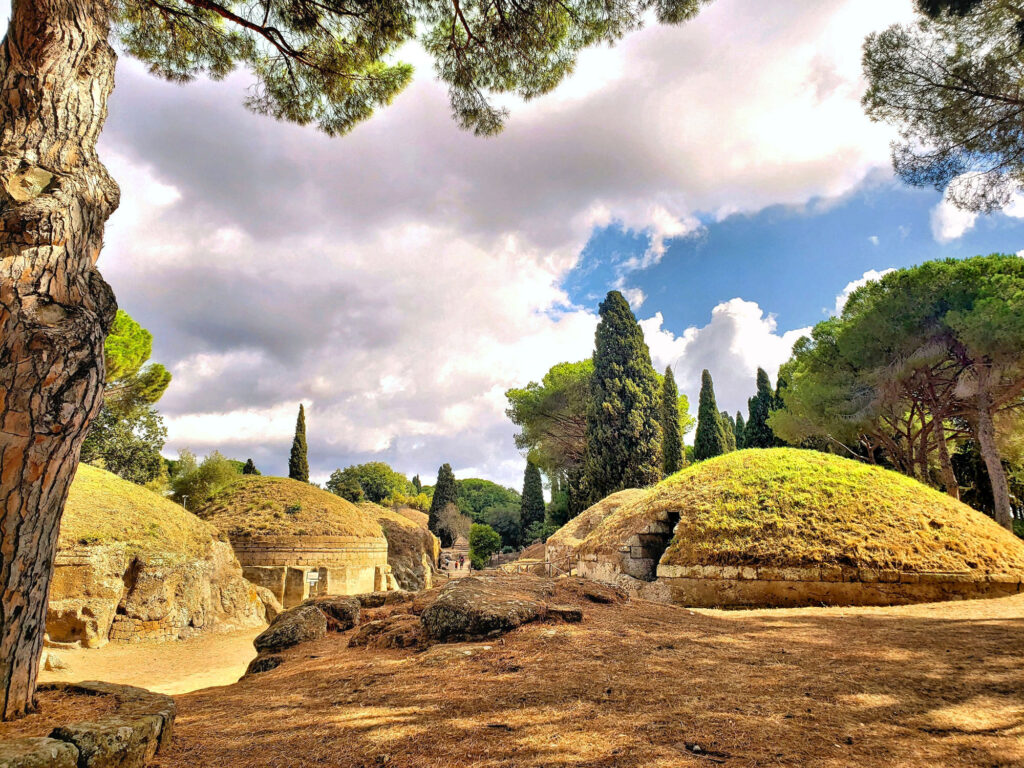
Etruscan Sites in Italy
Explore Etruscan history through necropolises, painted tombs, rock-cut roads and museum collections. Begin with Cerveteri for tomb architecture or Tarquinia for painted chambers, then consider Vulci, Sovana, Orvieto, Chiusi, Cortona, Volterra or Populonia. These experiences suit travellers who want a slower archaeological route through central Italy.
Best for: tomb art and slower Lazio–Tuscany road trips.
Read guide: Etruscan Sites in Italy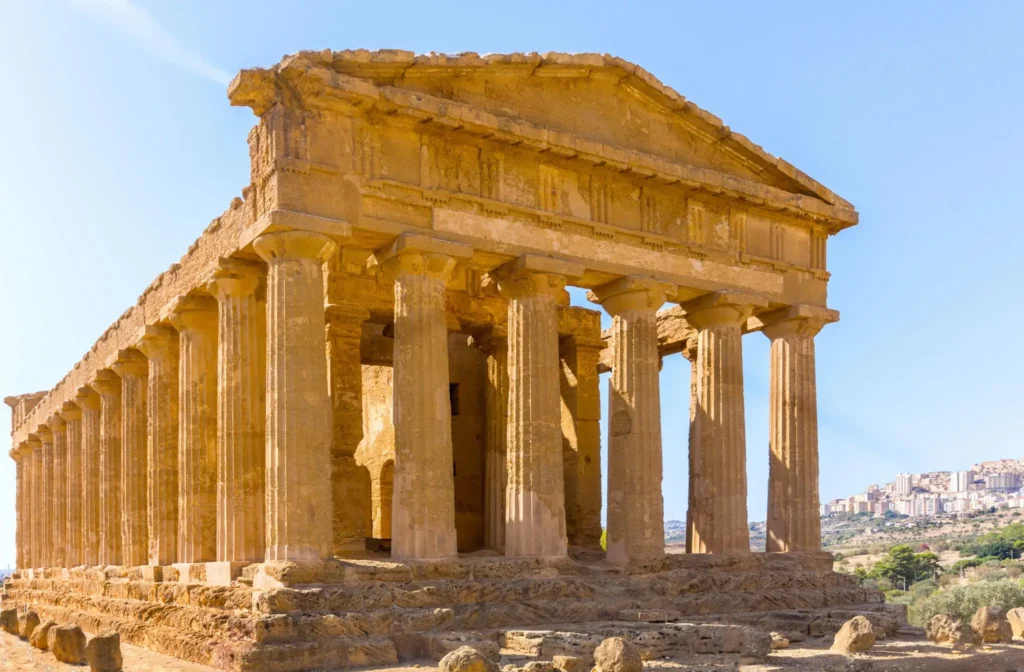
Greek Ruins in Italy & Sicily
Follow the Greek colonies of Magna Graecia through standing temples, theatres and archaeological landscapes. Compare Paestum’s mainland temples with Agrigento’s scale, Syracuse’s city-and-archaeology combination and Selinunte’s vast site. Segesta, Cuma, Metaponto, Locri, Morgantina and Taranto add further options for a route through southern Italy and Sicily.
Best for: Greek temples and southern archaeological landscapes.
Read guide: Greek Ruins in Italy & SicilyFollow Italy’s Art and Architecture
Italian art is often experienced in the places for which it was created: frescoes inside chapels, mosaics covering early Christian buildings, sculpture in public squares and paintings displayed in former palaces. These guides help travellers choose a period, city or museum rather than trying to cover every famous name in one trip.
Renaissance Cities in Italy
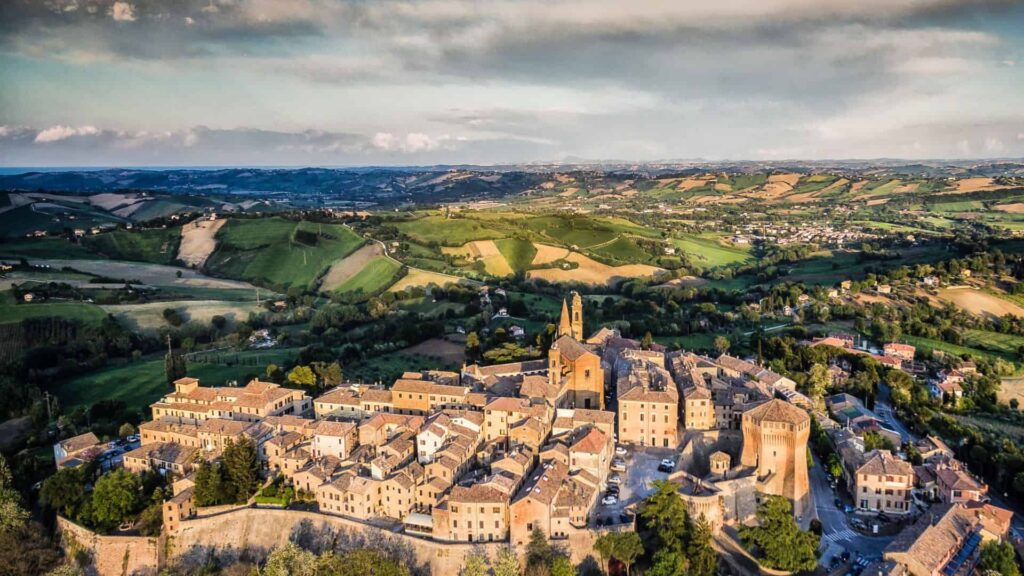
Begin with Florence, then explore the wider geography of Renaissance Italy. Urbino offers a court setting, Ferrara reveals town planning, and Mantua combines Gonzaga palaces with major works of art. Sabbioneta and Pienza show different approaches to an ideal city. Use the guide to build a route beyond Florence alone.
Best for: Renaissance architecture, painting and sculpture.
Read guide: Renaissance Cities in Italy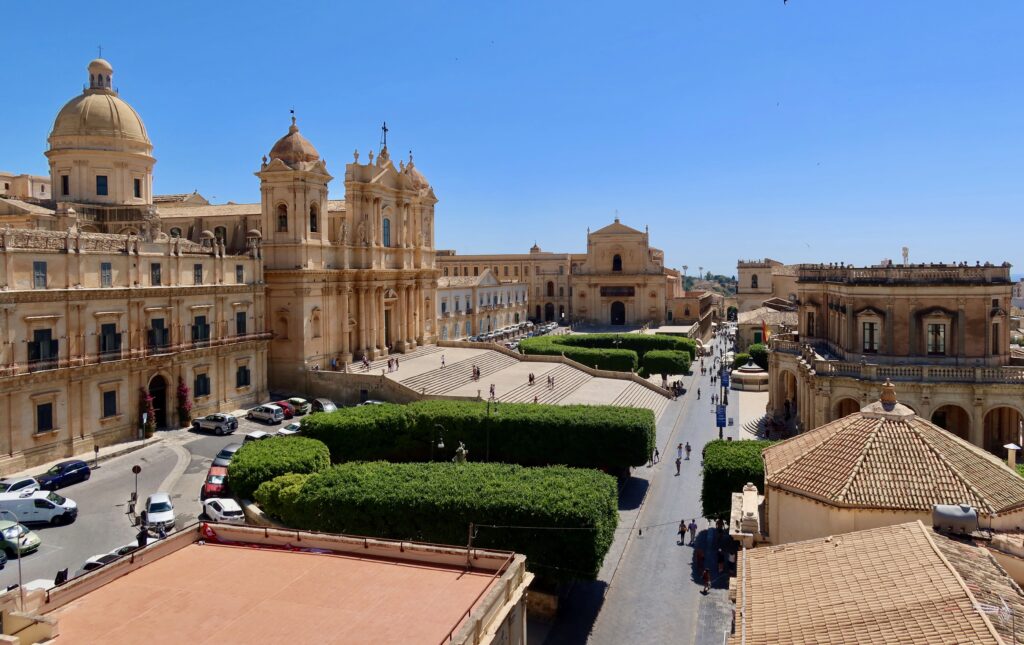
Baroque Towns in Italy
Compare the Late Baroque towns of south-eastern Sicily with Puglia’s distinctive architecture. Noto, Ragusa Ibla, Modica and Scicli form a natural regional route, while Lecce, Martina Franca, Nardò and Galatina offer another expression. Turin, Rome and Caserta show the style at the scale of courts and capitals.
Best for: ornate architecture and southern road trips.
Read guide: Baroque Towns in Italy
Art Cities in Italy
Choose an art city by period, collections, atmosphere and trip length. Florence concentrates Renaissance art; Rome spans the broadest timeline; Venice combines painting with a distinctive urban setting. Naples, Ravenna, Milan and Turin suit other interests, from Caravaggio and mosaics to Leonardo and modern art. The guide includes rail routes and base choices.
Best for: choosing an art city for your interests.
Read guide: Art Cities in Italy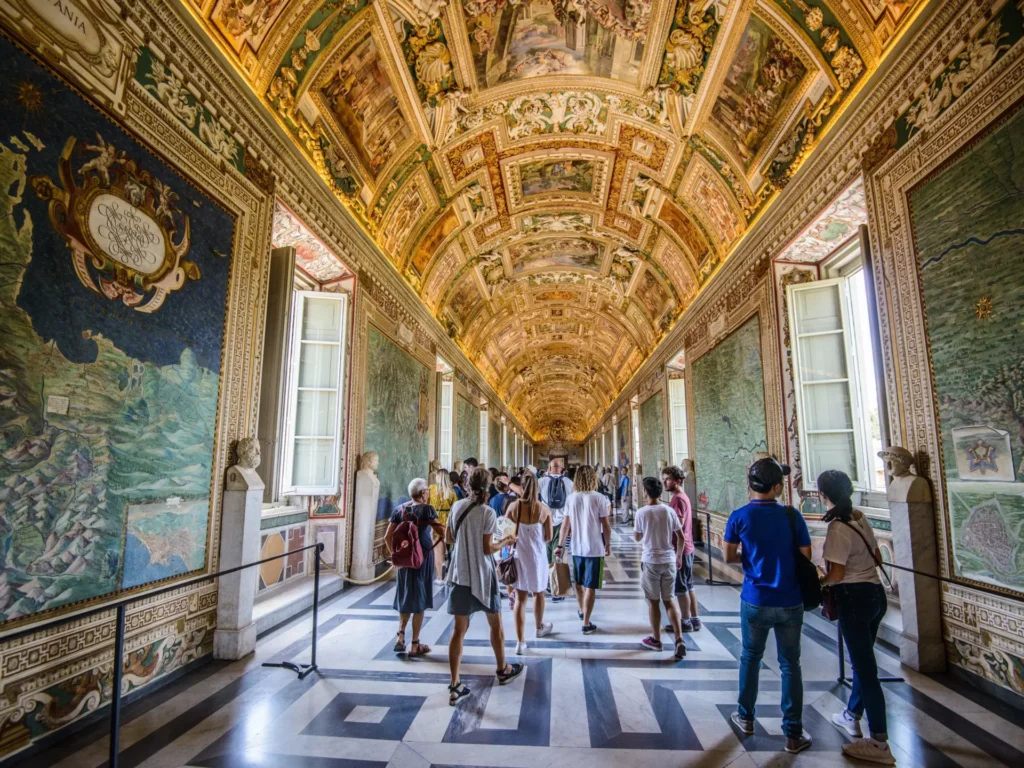
Best Museums in Italy
Choose a few major collections that match your interests, rather than every famous museum on the route. Compare Renaissance painting at the Uffizi, the Vatican Museums’ historical range and archaeological context in Naples. The Capitoline Museums, Borghese Gallery, Pinacoteca di Brera and Turin’s Egyptian Museum provide further options for a manageable first trip.
Best for: major collections without museum fatigue.
Read guide: Best Museums in Italy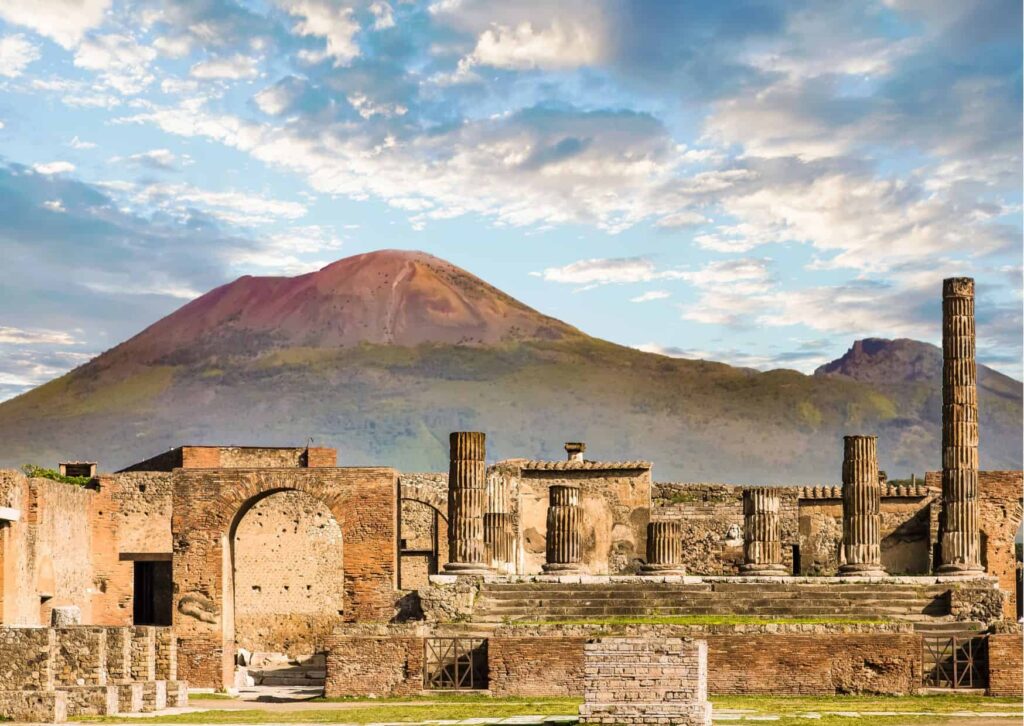
Explore Italy’s UNESCO Heritage
UNESCO recognition covers historic centres, archaeological parks, cultural landscapes and groups of churches and buildings. Compare the classic Rome, Florence and Venice route with regional alternatives such as Ravenna, Matera, Siena, San Gimignano, Assisi, Agrigento, Naples, Padua and Arab-Norman Palermo. The guide explains which places combine naturally and which require a separate journey.
Best for: routes combining historic centres, archaeology, art and architecture.
Read guide: Explore Italy’s UNESCO HeritageChoose a Period
Historical periods overlap, and many Italian cities contain several layers at once. This simple sequence helps travellers identify the guide and region most likely to match their interests.
Etruscan Italy: choose Cerveteri, Tarquinia or a central Italian road trip for tomb architecture, funerary painting and pre-Roman cities.
Greek Italy: focus on Campania, Basilicata, Calabria or Sicily for temples, theatres and the former colonies of Magna Graecia.
Roman Italy: start in Rome, Naples or Campania, then consider northern urban sites, imperial villas or island archaeology.
Early Christian and Byzantine Italy: Ravenna offers the most concentrated mosaic experience; Rome and Sicily add important churches and collections.
Medieval Italy: Siena, Assisi, Bologna, Venice and many UNESCO-listed historic centres preserve civic, religious and trading histories.
Renaissance Italy: Florence is the main introduction, but Urbino, Ferrara, Mantua, Sabbioneta and Pienza reveal different forms of Renaissance city-making.
Baroque Italy: Rome and Turin show the style at capital scale, while south-eastern Sicily and Salento turn it into an entire streetscape.
Modern and contemporary Italy: Milan, Turin, Venice and Rome combine historic collections with modern museums, foundations and changing exhibitions.
Best Regions for a Cultural Trip
Lazio: The Widest Historical Range
Lazio combines ancient Rome, papal art, Renaissance and Baroque architecture, imperial villas and Etruscan archaeology. Rome is the strongest single base for a first trip. Tivoli, Cerveteri and Tarquinia broaden the route beyond the capital.
Tuscany: Renaissance Art and Etruscan Layers
Florence is compact enough for several major sights without changing hotels. Siena adds medieval civic art, Pienza shows Renaissance urban planning, and Volterra, Cortona and the Etruscan Coast connect culture with hill towns and countryside. Trains work for the main cities, but a car is useful for smaller inland sites.
Campania: The Strongest Archaeology Base
Naples combines churches, palaces, Caravaggio, a UNESCO-listed historic centre and one of Europe’s most important archaeological museums. It is also the practical gateway to Pompeii and Herculaneum. Paestum adds Greek temples and works well with Salerno or the Cilento coast.
Veneto and Emilia-Romagna: Art by Rail
Venice, Padua, Verona, Ferrara, Bologna and Ravenna create one of Italy’s strongest rail-based cultural corridors. The highlights range from Venetian painting and Giotto’s frescoes to Roman Verona, Renaissance Ferrara and Ravenna’s early Christian mosaics. Limit a short trip to two or three bases rather than changing hotels every day.
Piedmont and Lombardy: Courts, Design and Modern Art
Turin is strong for royal residences, Baroque planning, the Egyptian Museum and modern collections. Milan adds Leonardo’s Last Supper, the Pinacoteca di Brera, the Duomo and major modern institutions. Mantua, Brescia and Lake Garda’s Roman sites can extend the route without returning to the classic Venice–Florence–Rome circuit.
Puglia and Basilicata: Architecture Beyond the Big Art Cities
Lecce is the best urban base for Salento’s Baroque architecture. Martina Franca and the Valle d’Itria add smaller-town atmosphere, while Castel del Monte and Alberobello broaden the architectural story. Matera is the major cultural stop in Basilicata and deserves an overnight stay rather than a rushed detour.
Sicily: The Most Layered Island Route
Sicily brings Greek, Roman, Arab-Norman, medieval and Baroque heritage into one island, but distances make regional focus essential. Choose Palermo and Monreale for Arab-Norman art, Agrigento or western Sicily for Greek sites, Syracuse and Ortigia for a city-and-archaeology combination, or Noto and Ragusa for the Val di Noto.
Realistic Cultural Routes
Rome and Florence
Seven Days
Use two bases. Give Rome three full sightseeing days for ancient sites, one major museum or Vatican day, and a slower historic-centre day. Travel to Florence by high-speed train and use the remaining time for the Uffizi, Accademia or Duomo complex, balanced with churches, piazzas and neighbourhood walks. This is a much stronger first trip than squeezing in a third city.
Bases: Rome and Florence.
Transport: high-speed train between the two cities.
Venice, Florence and Rome
Ten Days
This is the classic car-free history and art route. Begin with Venice, continue by train to Florence and finish in Rome. Three nights in Venice, three in Florence and four in Rome create a sensible starting split, although arrival and departure times should shape the final plan. Reserve only the high-demand sights first, then leave space for smaller churches, districts and collections.
Bases: Venice, Florence and Rome.
Transport: train; a car-free route.
Naples and Ancient Campania
Four or Five Days
Stay mainly in Naples and build separate days around the National Archaeological Museum, Pompeii and Herculaneum. Add Paestum only when the route allows a full additional day or a change of base towards Salerno. Trying to cover all three archaeological sites in two days usually creates more fatigue than insight.
Base: mainly Naples; consider Salerno if adding Paestum.
South-Eastern Sicily
Six or Seven Days
Combine Syracuse or Ortigia with one base in the Val di Noto. This allows time for the Neapolis Archaeological Park, the historic streets of Ortigia, Noto’s Baroque centre and either Ragusa, Modica or Scicli. A car gives the most flexibility between smaller towns, but it should remain outside restricted historic centres and accommodation with parking deserves priority.
Bases: Syracuse or Ortigia and one base in the Val di Noto.
Transport: a car gives the most flexibility between smaller towns.
Cultural Tours and Museum Visits
Explore guided cultural visits that fit the route you have chosen.
Where to Stay for a Cultural Trip
Rome: best for the widest range of history and art, major museums and easy onward rail connections.
Florence: best for a compact Renaissance trip where many highlights can be reached on foot.
Naples: best for Pompeii, Herculaneum, Roman collections and southern Baroque art.
Venice: best for a unique car-free heritage stay, especially when early mornings and evenings matter.
Bologna: best for a well-connected northern base with possible trips towards Ferrara, Modena, Ravenna and Padua.
Syracuse or Ortigia: best for Greek archaeology combined with a lively historic centre and coastal atmosphere.
Noto or Ragusa: best for a slower Baroque road trip in south-eastern Sicily.
Agrigento or Paestum: best for reaching a major archaeological park near opening or later in the day without a long return journey.
For neighbourhood choices, transport trade-offs and hand-picked stays, use the Where to Stay in Italy hub and the accommodation sections inside the individual city and history guides.
Compare staysPractical Tips for Museums and Historic Sites
Reserve the Hardest Tickets First
The Vatican Museums, Uffizi Gallery, Borghese Gallery and The Last Supper are among the visits that can shape an itinerary. Check official ticket sites before fixing day trips around them. Opening arrangements, restoration closures and reservation rules can change, so static lists should never replace the official calendar.
Plan One Demanding Visit Per Half Day
A large museum or archaeological park can take several hours and requires more concentration than a piazza or scenic walk. One major collection in the morning followed by a church, neighbourhood or viewpoint later usually creates a better day than stacking two vast museums together.
Use Trains for Cities and Cars for Rural Clusters
High-speed and regional trains are the simplest way to link Rome, Florence, Venice, Milan, Turin, Bologna and Naples. A car becomes more useful for Etruscan sites, the Val di Noto, rural Tuscany and archaeological stops with limited public transport. Historic centres frequently have ZTL restricted-traffic zones; parking outside the centre or at the accommodation avoids expensive mistakes.
Match the Season to the Main Experience
Spring and autumn are usually the most comfortable periods for exposed ruins and city walking. Summer can work well with an early start, a shaded midday break and museums during the hottest hours. Winter suits major art cities and indoor collections, although shorter daylight and seasonal schedules matter at archaeological sites and smaller museums.
Check Access Site by Site
Historic buildings, cobbled streets, stairs and uneven archaeological ground create very different accessibility conditions. Major museums often provide lifts or adapted routes, but ancient sites may cover long distances on rough surfaces. Check the official accessibility page for each essential visit before booking the day.
Common Planning Mistakes to Avoid
- Treating Rome, Florence and Venice as quick checklist stops instead of giving each city enough time.
- Assuming every ancient site is Roman and missing the different stories of Greek and Etruscan Italy.
- Visiting ruins without the nearby museum that holds their mosaics, sculpture or everyday objects.
- Booking several large museums on the same day and losing time to queues, security and mental fatigue.
- Driving into a ZTL because the accommodation or parking route was not checked in advance.
- Relying on old opening-hour lists instead of confirming the official calendar.
- Building a nationwide archaeology route when one strong regional cluster would create a better trip.
Frequently Asked Questions
Which Italian city is best for history and art?
Rome offers the widest historical range, from antiquity to Baroque and modern collections. Florence is the strongest choice for a more compact Renaissance-focused trip. Naples is best for combining a living historic centre with archaeology, while Venice offers the most distinctive city-and-art setting.
Is Rome or Florence better for a first cultural trip?
Choose Rome for ancient history, the Vatican, Baroque art and the broadest variety. Choose Florence for Renaissance painting, sculpture and architecture within a smaller, more walkable centre. With seven days, combining both cities is realistic.
Where are the best ancient ruins in Italy?
Rome is the classic starting point. Campania is strongest for Pompeii, Herculaneum and Paestum, while Sicily offers exceptional Greek sites at Agrigento, Syracuse, Selinunte and Segesta. Northern and central Italy add quieter Roman villas, amphitheatres and Etruscan sites.
Can an Italy art and history trip be done without a car?
Yes. Rome, Florence, Venice, Milan, Turin, Bologna and Naples connect well by train. A car is more useful for rural Etruscan routes, smaller Baroque towns and widely separated archaeological sites in Sicily or southern Italy.
How many days are needed for an Italy cultural trip?
Seven days are enough for two major bases such as Rome and Florence. Ten days make Venice, Florence and Rome more comfortable. A regional archaeology or architecture trip can work well in four to seven days when distances remain limited.
Plan Your Italy Cultural Trip
Start with the guide that matches your interests, then build your cultural trip around one connected region or a realistic set of bases. Compare ancient ruins, art cities and UNESCO heritage, and choose places to stay that suit the route and pace of your holiday.
Explore more things to do in Italy