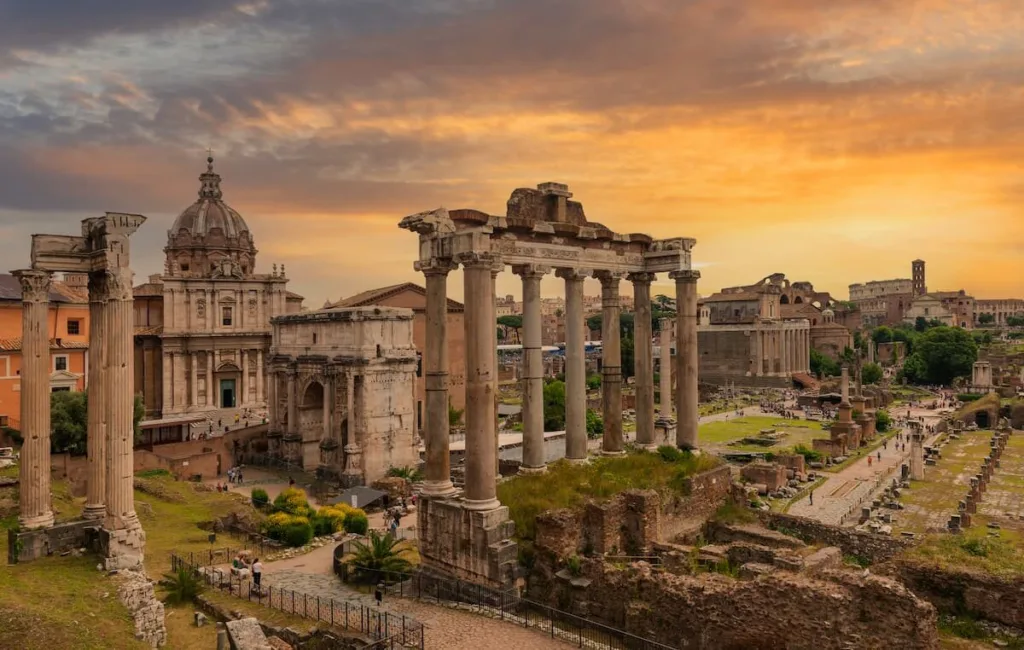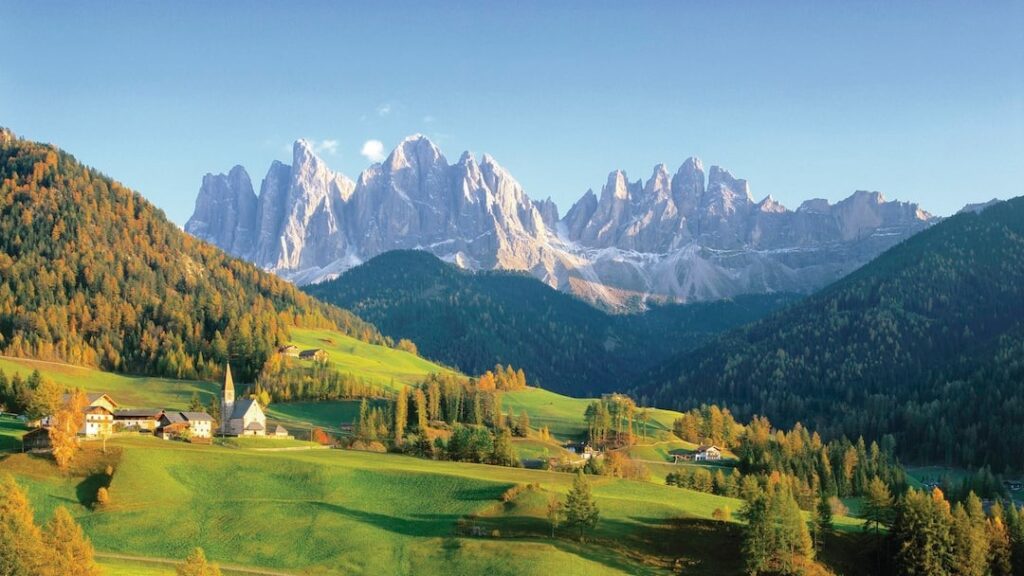
Italy Food & Wine: Regions, Cities & Experiences
Discover regional dishes, food markets, vineyard landscapes and hands-on culinary experiences across Italy. Compare destinations, choose a convenient base and plan a food and wine holiday at your own pace.
Explore This Guide
Quick Planning Answer
A first food & wine holiday: choose one culinary city and one nearby wine region.
Vineyards and countryside: Tuscany combines hill towns and agriturismo stays. Veneto suits Prosecco and northern city connections. Piedmont is the classic choice for Barolo, Barbaresco and autumn truffles.
City food breaks: Naples and Palermo suit street food and markets. Bologna and Emilia-Romagna focus on fresh pasta, Parmigiano Reggiano, prosciutto and balsamic vinegar. Catania combines markets with Etna’s volcanic wines.
Without a car: choose Naples, Palermo, Rome or Treviso. For rural Chianti, Montalcino and Valdobbiadene, plan a car, private transfer or organised tour; tours are useful when everyone wants to taste wine.
Choose Your Italy Food & Wine Trip
Classic Wine Country
Tuscany for red wine, hill towns and countryside stays.
Explore this tripProsecco & Northern Routes
Veneto for sparkling wine, historic cities and train gateways.
Explore this tripStreet Food & Markets
Naples or Palermo for informal food and lively markets.
Explore this tripPasta, Cheese & Producers
Bologna, Modena and Parma for cooking classes and artisan visits.
Explore this tripEtna Wine & Sicilian Flavours
Catania’s markets and Etna’s volcanic vineyards in one regional trip.
Explore this tripSeafood & Coastal Food
Chioggia, Liguria, Sicily, Sardinia or Campania for coastal traditions.
Explore this tripFood Cities in Italy
Choose a city where markets, everyday dishes and local food traditions fit naturally into the holiday.
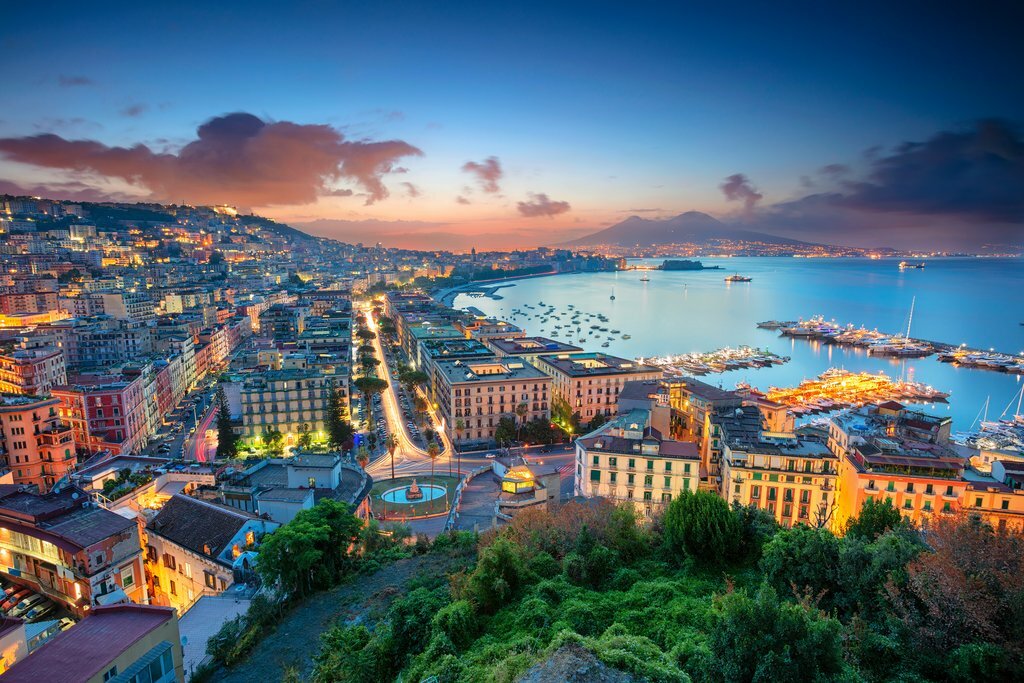
Naples
Taste Neapolitan pizza, slow-cooked ragù, fried seafood and pastries such as sfogliatella and babà. Small pizzerias, bakeries and traditional trattorias fit naturally between sightseeing stops. Naples is a practical food base without a car and a gateway to the wider Campania region.
Food focus: Pizza, pastries & a city break without a car.
Read guide : Naples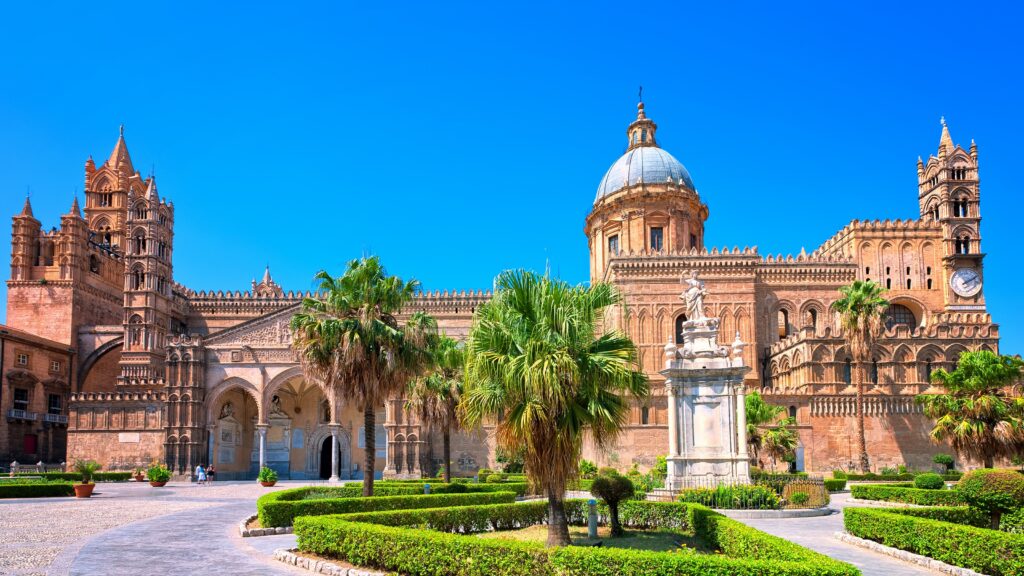
Palermo
Explore Ballarò, Capo and Vucciria for a lively introduction to Sicilian food, while checking current opening days and the mix of stalls. Try panelle, arancine, sfincione and seasonal seafood. Palermo suits independent travellers who enjoy informal eating, busy streets and traditional bakeries.
Food focus: Street food & historic markets.
Read guide : Palermo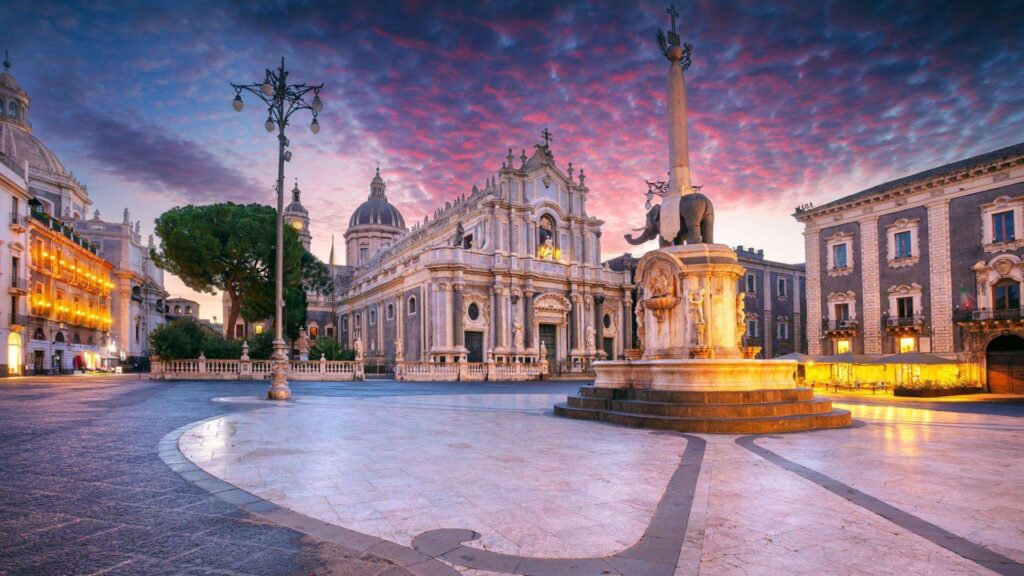
Catania
Catania combines the food of the sea with ingredients from fertile volcanic land. Try pasta alla Norma, granita with brioche, arancini and fresh seafood, then explore the city’s markets. Add a carefully planned Etna wine excursion for a varied eastern Sicily food and wine holiday.
Food focus: Market snacks & an Etna wine day.
Read guide : Catania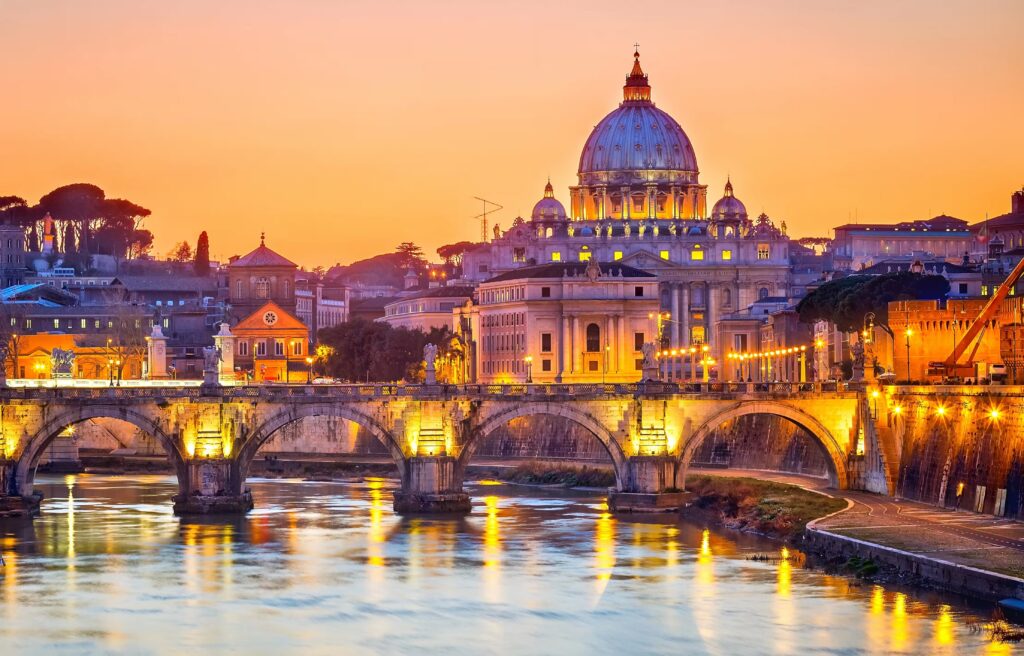
Rome
Combine cultural sights with several neighbourhood meals rather than every famous dish in one day. Roman trattorias serve carbonara, cacio e pepe, amatriciana and gricia. Supplì, seasonal artichokes, porchetta and pizza al taglio suit quicker stops, with market visits and evening walks adding variety.
Food focus: Roman pasta & neighbourhood meals.
Read guide : Rome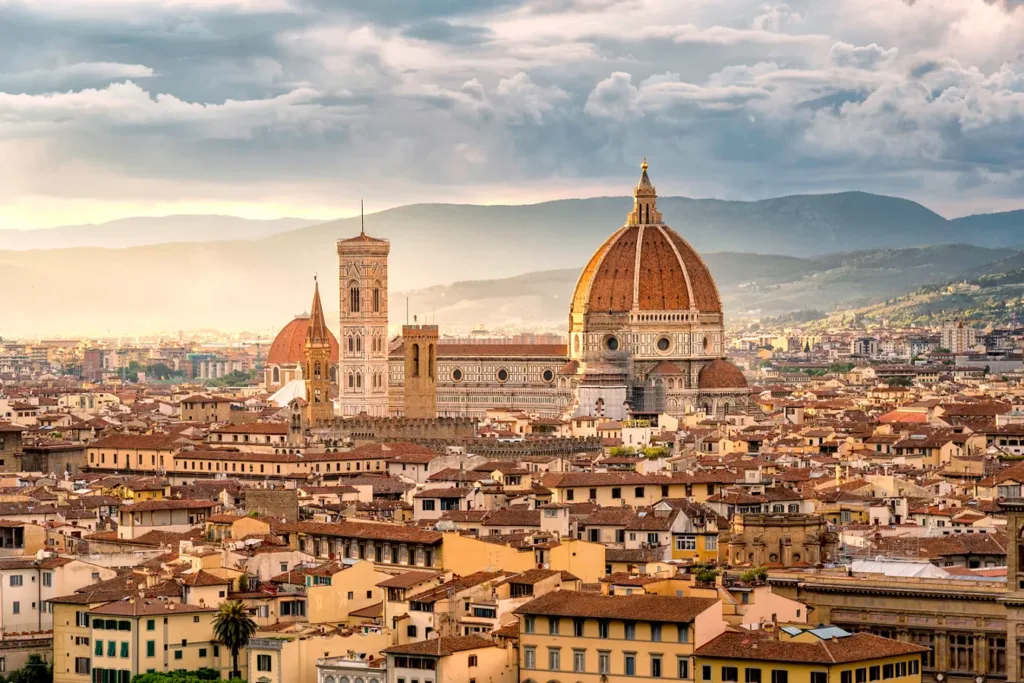
Florence
Pair Renaissance art with Tuscan dishes such as ribollita, pappa al pomodoro, crostini, lampredotto and bistecca alla fiorentina. Florence also offers organised wine excursions into Chianti, making it a useful base for travellers who want a cultural food break without renting a car for the whole holiday.
Food focus: Tuscan cooking & organised Chianti trips.
Read guide : Florence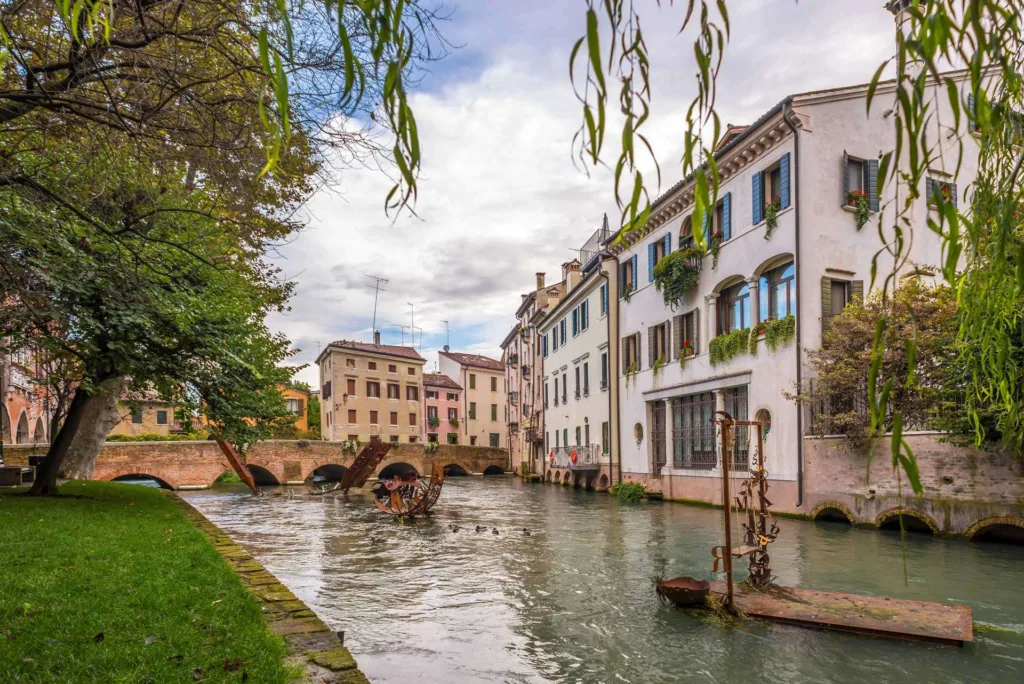
Treviso
Treviso’s canals, arcaded streets and local restaurants suit slower food travel. Look for radicchio rosso di Treviso, risotto, polenta, cheeses and Veneto wines on local menus. The city is smaller and calmer than Venice and well positioned for trips towards Conegliano and the Prosecco Hills.
Food focus: Radicchio, risotto & slower northern travel.
Read guide : Treviso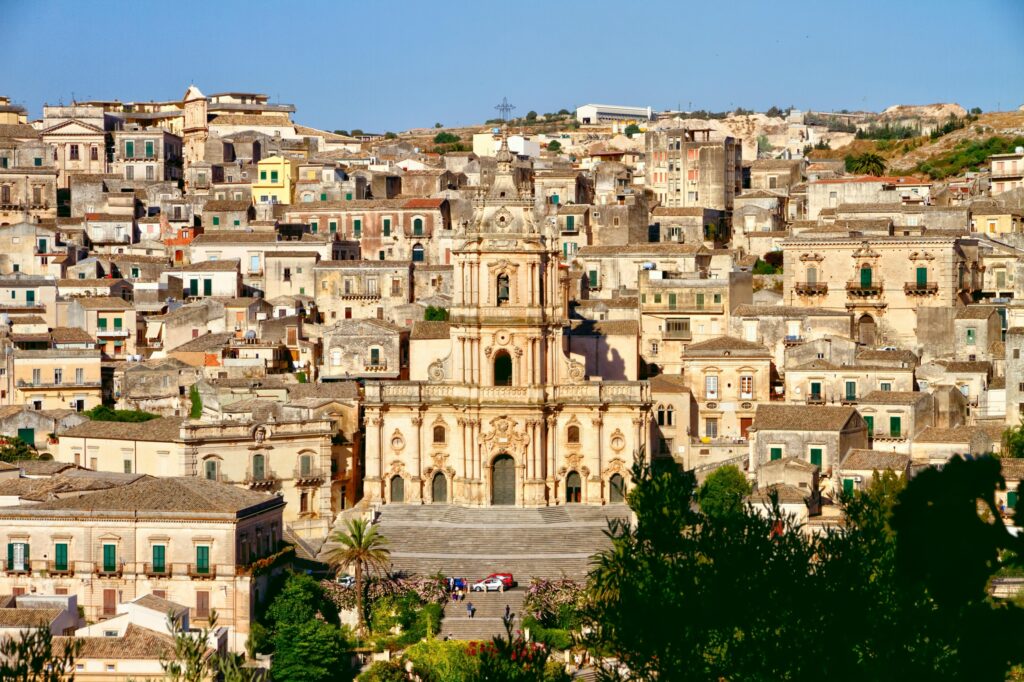
Modica
Combine Baroque streets with Modica’s distinctive chocolate, whose grainy texture comes from sugar crystals that do not fully dissolve during production. Chocolate shops and tastings are part of the visit. Extend the route towards Ragusa, Noto, countryside farms or the coast for southeastern Sicilian food.
Food focus: Chocolate & a southeastern Sicily route.
Read guide : Modica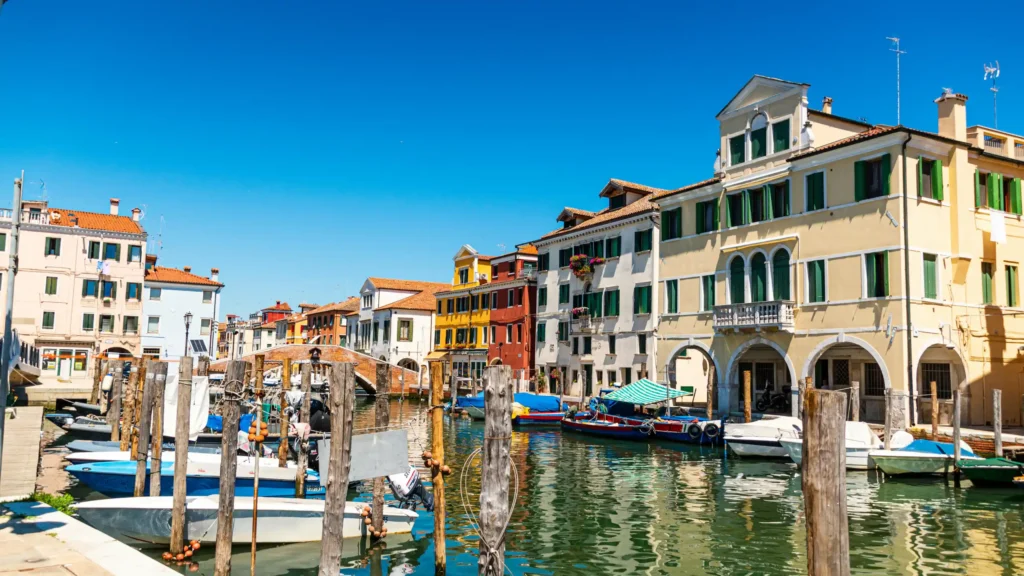
Chioggia
Chioggia’s fishing port, canals and local market give it a working character different from nearby Venice. Menus often feature fish, shellfish, grilled seafood, risotto and traditional lagoon dishes. It suits travellers who want to combine local food with a historic centre and time at the beach.
Food focus: Seafood, canals & beach time.
Read guide : Chioggia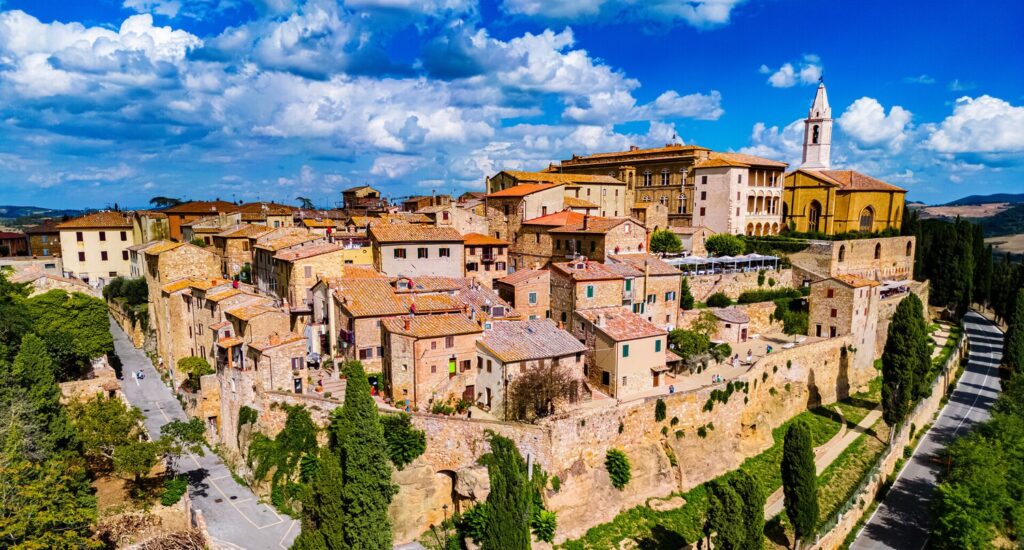
Pienza
Pienza is a small but useful stop on a southern Tuscany food route. Pecorino cheese appears in shops, tastings and local dishes. Combine the town with the wider Val d’Orcia landscape, Montalcino, Montepulciano and countryside stays rather than treating it as a separate city break.
Food focus: Pecorino & the Val d’Orcia landscape.
Read guide : PienzaWine Regions in Italy
Compare wine areas by scenery, nearby towns, practical bases and access to tastings. An internal destination guide and an external sponsored activity serve different planning needs.
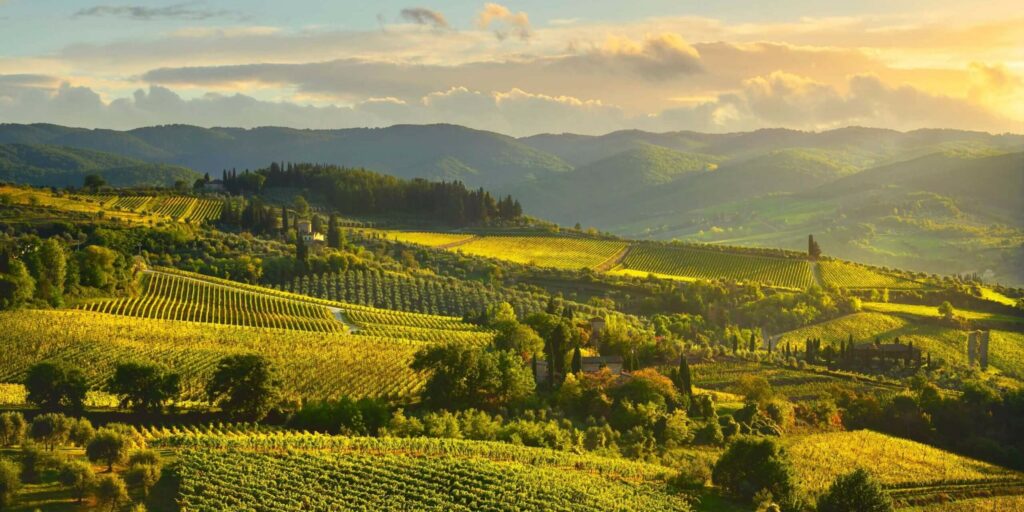
Chianti
Chianti is the classic first choice for a Tuscany wine trip. It lies between Florence and Siena and combines vineyards, olive groves, castles and hill towns.
Greve is one of the most practical gateways. Radda and Castellina offer a more atmospheric village experience, while the countryside around Gaiole suits travellers looking for wine estates and castle roads.
Chianti Classico wines are led by Sangiovese. Winery visits usually require advance arrangements, especially if you want an English-language tour or a food pairing.
Read Chianti guideSponsored activity: Explore Chianti wine tours and tastings.
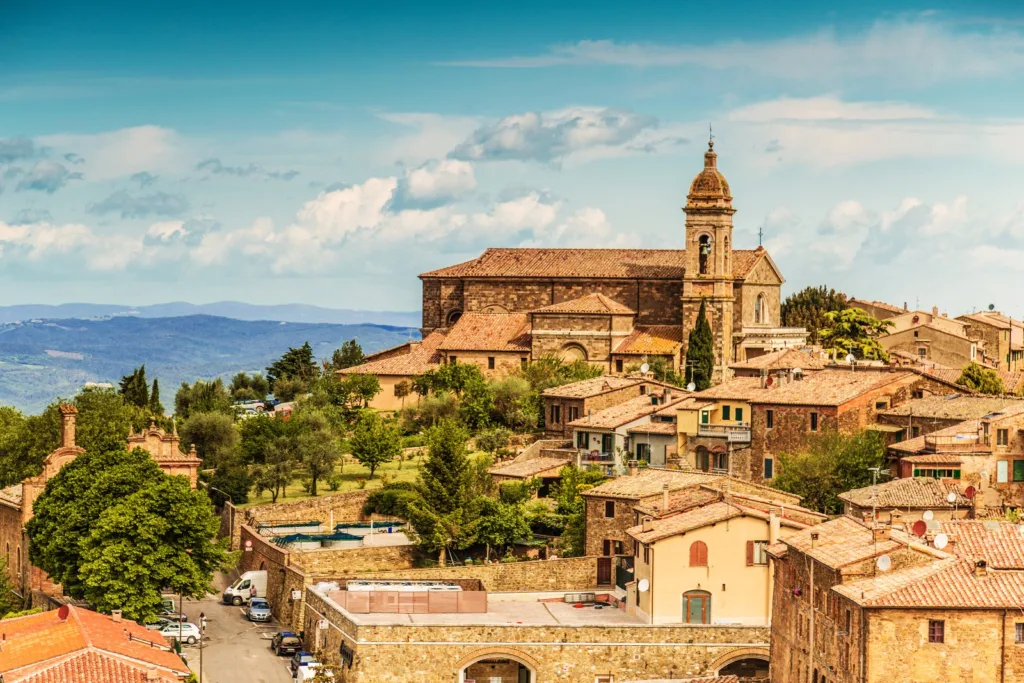
Montalcino
Montalcino sits south of Siena and is known for Brunello di Montalcino. The town has wine shops, tasting rooms and views across the surrounding countryside.
Montalcino suits travellers who want a more focused wine trip and a quiet hill-town atmosphere. It combines naturally with Pienza and the wider Val d’Orcia landscape.
A car is the easiest way to reach rural estates. Travellers who do not want to drive after tasting should use a private driver or organised tour.
Read Montalcino guide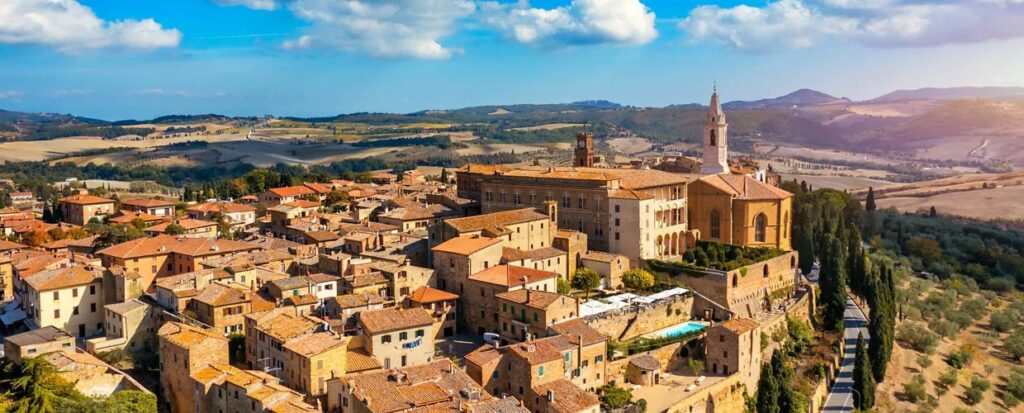
Montepulciano
Montepulciano is known for Vino Nobile di Montepulciano and its dramatic hilltop centre. Some historic cellars are located beneath buildings in or near the old town, giving visitors tasting options without always driving into the countryside.
The town works well with Val di Chiana, Pienza and the thermal areas of southern Tuscany. Stay overnight if you want to enjoy the town after day visitors leave.
Read Montepulciano guide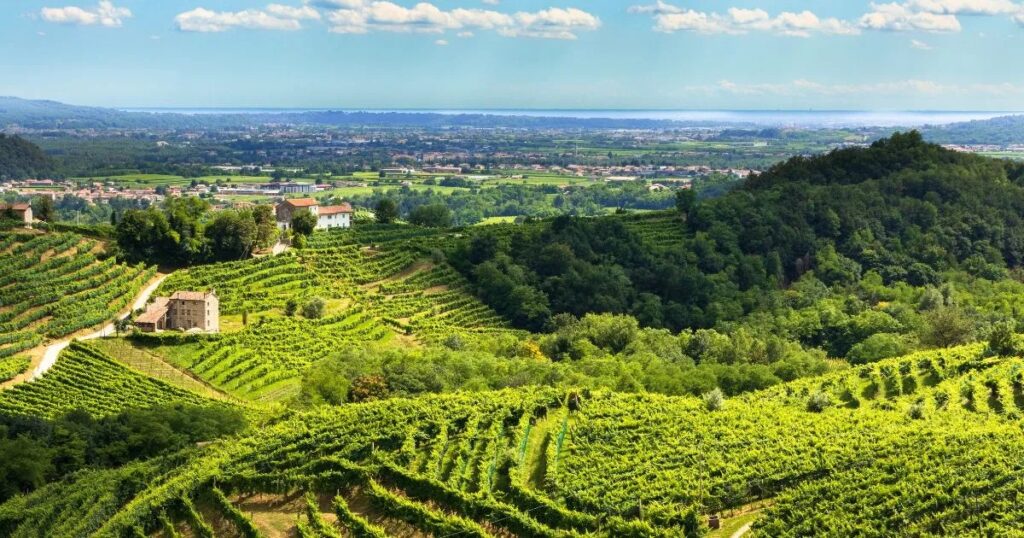
Prosecco Hills
The Prosecco Hills form a vineyard landscape between Conegliano and Valdobbiadene. Steep slopes, small settlements and narrow rural roads make the area visually different from Tuscany.
Valdobbiadene is a good base for vineyard stays and access to the western hills. Conegliano offers better train connections and a more urban base.
A car gives the most flexibility, but a guided tour is easier if everyone in the group wants to taste wine.
Read Prosecco Hills guideSponsored activity: Browse Prosecco Hills tours and tastings.
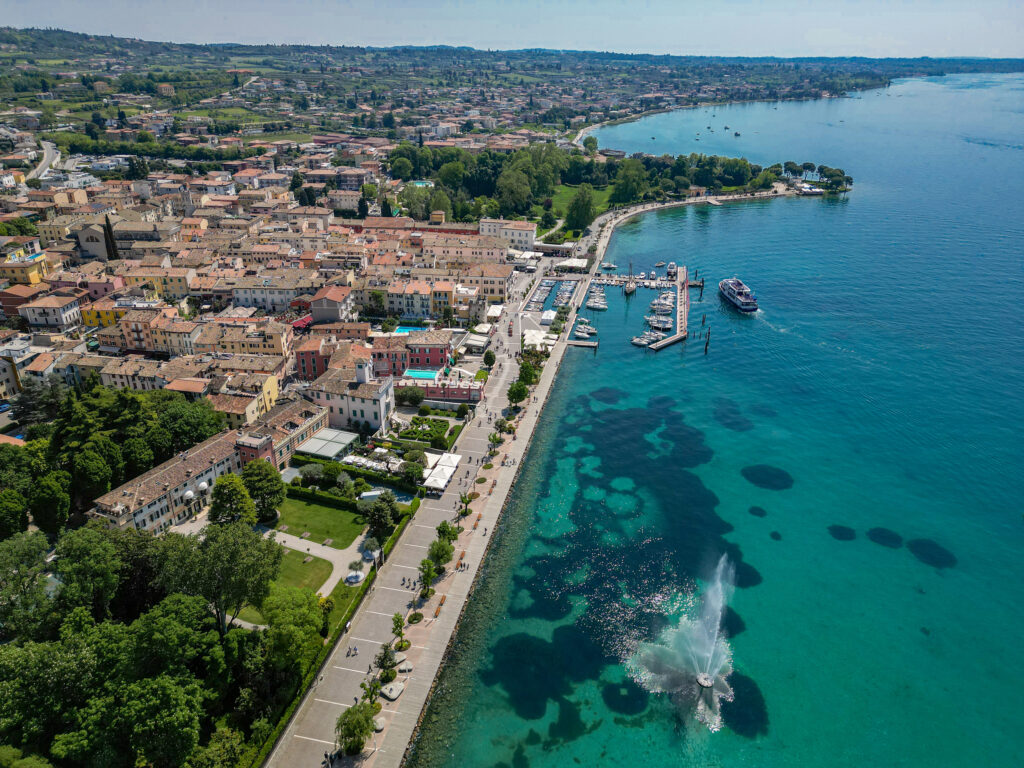
Bardolino & Lake Garda
Bardolino combines wine with beaches, waterfront walks and ferry trips. This makes it a good option for couples or families who do not want an entire holiday centred on wineries.
The surrounding area produces Bardolino wines, while nearby hills and towns add olive oil, local cheeses and countryside restaurants. Bardolino can also be combined with Verona and the Valpolicella wine area.
Read Bardolino guide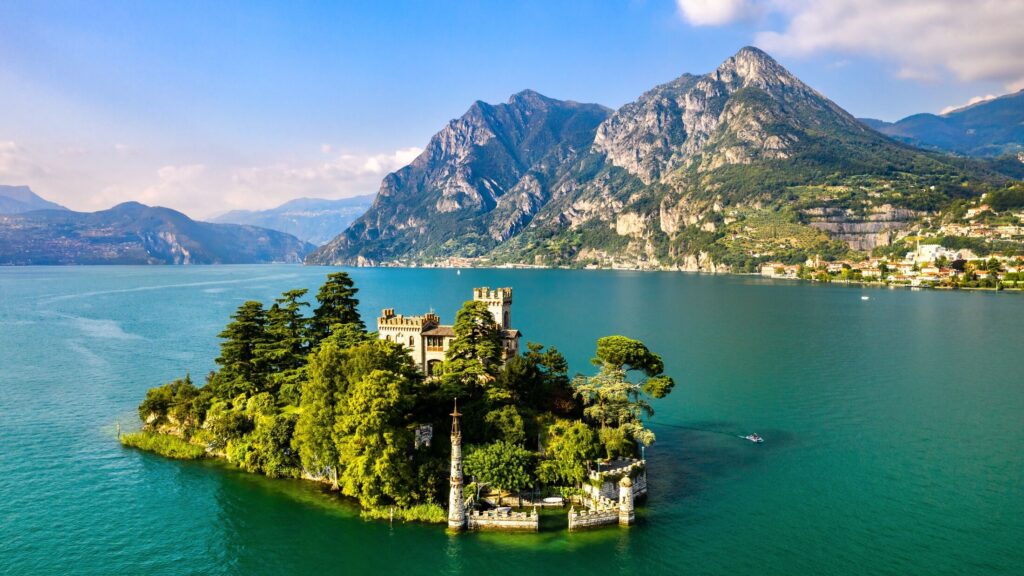
Franciacorta & Lake Iseo
Lake Iseo sits close to Franciacorta, one of Italy’s leading sparkling-wine areas. The combination works well for travellers who want vineyards without giving up lakeside scenery.
Stay near the southern side of the lake for easier access to Franciacorta estates. The lake’s villages, Monte Isola and nearby Brescia add enough variety for a short break of several days.
Read Lake Iseo lake guide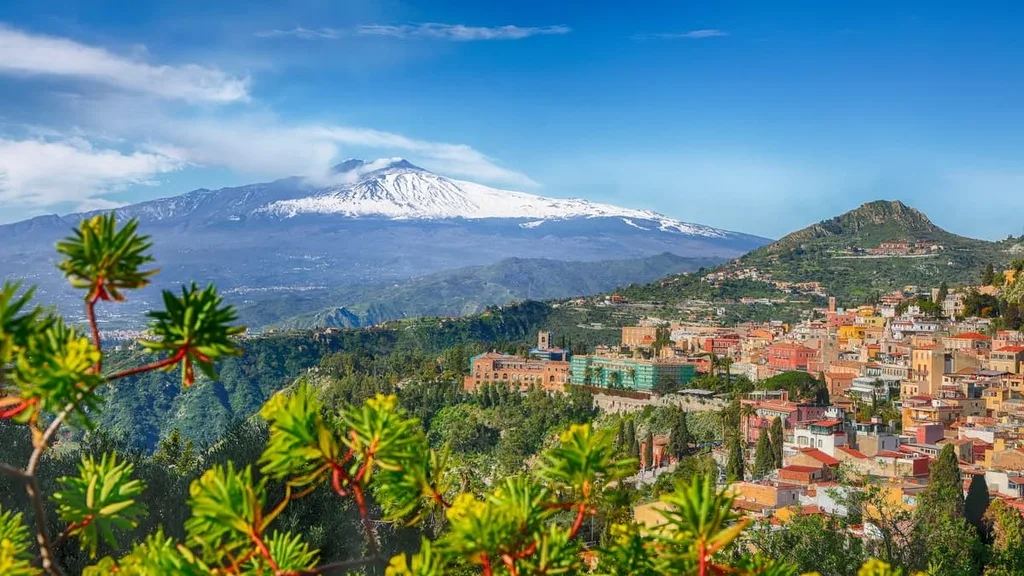
Mount Etna
The slopes of Mount Etna support vineyards shaped by altitude, exposure and volcanic soil. Nerello Mascalese is strongly associated with Etna reds, while Carricante is important for local white wines.
Catania is the most practical city base. Taormina also offers access to tours, while countryside accommodation suits travellers who want to stay closer to the vineyards.
Distances can look short on a map, but mountain roads and winery appointments slow the day down. Plan one part of Etna carefully instead of trying to circle the entire volcano.
Read general Mount Etna guideSponsored activity: Explore Mount Etna wine experiences.
Piedmont & the Langhe
Piedmont is one of Italy’s most important destinations for serious wine travellers. The Langhe landscape includes Barolo, Barbaresco, Alba and villages surrounded by Nebbiolo vineyards.
Barolo and Barbaresco offer structured red wines, while the wider region also produces Barbera, Dolcetto and white wines. Alba adds restaurants, markets and access to the region’s autumn truffle culture.
A car or private driver is usually the most practical choice. Build the trip around one or two bases rather than changing accommodation every night.
Plan around Alba, Barolo or Barbaresco; compare the sponsored experiences below.
Sponsored activity: Browse Barolo and Piedmont wine experiences.
Regional Flavours
Italian cooking changes between regions and neighbouring towns. Use this overview to match local dishes and wines with the places you plan to visit.
Tuscany
Local dishes: Tuscany is known for simple cooking built around bread, beans, olive oil, vegetables and meat. Ribollita, pappa al pomodoro, pici pasta, pecorino and bistecca alla fiorentina are among the best-known choices.
Wine & planning: Wine areas include Chianti, Montalcino, Montepulciano and parts of the Tuscan coast. Tuscany is the strongest all-round choice for travellers who want food, wine, villages and countryside accommodation.
Helpful guides: Tuscany
Veneto
Local dishes: Veneto combines lagoon seafood, risotto, polenta, radicchio and small snacks served in traditional wine bars. The food changes considerably between Venice, Treviso, Verona, the Dolomites and Lake Garda.
Wine & planning: Wine choices include Prosecco, Amarone, Valpolicella, Soave and Bardolino. Veneto works particularly well for travellers using trains between cities and organised tours for rural wine areas.
Helpful guides: Veneto
Lombardy
Local dishes: Lombardy brings risotto, polenta, filled pasta, cured meats and a wide range of cheeses. Food traditions vary between Milan, the alpine valleys, Mantua and the lake districts.
Wine & planning: Franciacorta provides the region’s best-known wine tourism area. Lake Iseo and Brescia make useful nearby bases.
Helpful guides: Lombardy
Campania
Local dishes: Campania is known for pizza, pasta, tomatoes, mozzarella di bufala, seafood, lemons and pastries. Naples gives travellers the broadest and most accessible introduction to the region’s food.
Wine & planning: The region also produces wines from grapes such as Aglianico, Falanghina and Greco. Coastal towns, islands and inland areas each have their own dishes and ingredients.
Helpful guides: Campania
Sicily
Local dishes: Sicily combines Mediterranean ingredients with layers of Greek, Arab, Norman and Spanish influence. Street food, citrus fruits, pistachios, almonds, seafood, aubergines and ricotta appear in many local traditions.
Wine & planning: Palermo is best for markets and street food. Catania combines food with Etna excursions, while Modica adds its distinctive chocolate tradition. Sicily’s wines range from fresh coastal styles to structured reds and volcanic Etna wines.
Helpful guides: Sicily
Puglia
Local dishes: Puglia is especially strong for olive oil, vegetables, bread, fresh cheeses and simple pasta dishes. Orecchiette, focaccia, burrata and dishes made with beans or wild greens reflect the region’s agricultural character.
Wine & planning: Primitivo and Negroamaro are among its best-known red grapes. Rural masserie and agriturismi can combine accommodation with farm meals, tastings and cooking experiences.
Helpful guides: Puglia
Sardinia
Local dishes: Sardinia has both coastal and inland food traditions. Pecorino, pane carasau, malloreddus pasta and slow-cooked meat dishes are important away from the main beach resorts.
Wine & planning: Cannonau and Vermentino are two of the island’s best-known wines. Orgosolo is a useful inland stop for travellers who want to combine culture with traditional Sardinian food.
Liguria
Local dishes: Liguria is associated with pesto, focaccia, olive oil, anchovies and seafood. The cuisine often feels lighter than the food of inland northern Italy.
Wine & planning: Genoa is the main urban food base, while Cinque Terre villages combine local white wine with coastal dishes. Manarola is particularly connected with terraced vineyards and the local wine landscape.
Helpful guides: Liguria · Manarola
Sponsored activity: Explore Ligurian food experiences.
Abruzzo
Local dishes: Abruzzo combines mountain cooking with Adriatic seafood. Arrosticini, saffron, pasta alla chitarra and dishes served along the Trabocchi Coast show the region’s variety.
Wine & planning: Montepulciano d’Abruzzo is the best-known local red wine, while Trebbiano d’Abruzzo is a common white. Abruzzo suits road-trippers looking for food, mountains and coast in one region.
Helpful guides: Abruzzo
Emilia-Romagna
Local dishes & producers: Bologna for fresh egg pasta, tortellini and tagliatelle al ragù; Parma and the countryside for Parmigiano Reggiano and Prosciutto di Parma; Modena for traditional balsamic vinegar.
Planning: combine compact cities with a cooking class or a booked producer visit. Morning cheese-making visits and balsamic ageing rooms offer different experiences.
Explore producer visitsPiedmont
Local food: Alba adds restaurants, markets and autumn truffle culture. Guided truffle hunts depend on seasons and natural conditions.
Wine: Barolo and Barbaresco are associated with Nebbiolo; the wider region also produces Barbera, Dolcetto and white wines.
Planning: use one or two bases and arrange a car or private driver for rural vineyard visits.
Explore Piedmont wine optionsFood & Wine Experiences
Choose an experience with a clear menu, language, duration and inclusions. Transfers, meals and tastings vary between offers.
Food Markets
Markets are useful places to understand which ingredients are seasonal and important to the region. Palermo and Catania provide lively Sicilian examples, while Rome, Florence, Venice and many smaller cities have traditional markets or covered food halls.
Visit earlier in the day if you want to see produce and regular shopping activity. Some markets change character later, with more prepared food, drinks or evening activity.
Do not assume every market opens daily. Check current opening days before planning a special journey.
Cooking Classes
Cooking classes are one of the easiest food experiences to book without a car. They also work well for couples, families and groups with different levels of cooking experience.
Bologna is ideal for fresh pasta. Rome and Florence offer a wide choice of pasta, pizza and dessert classes, while Sicily is strong for market-based experiences and regional dishes.
Choose a class that clearly states the menu, group size, duration and language. A market tour can add useful context, but it is not essential if the class already focuses on traditional techniques.
Sponsored activity: Browse pasta and cooking classes in Bologna.
Winery Visits
A winery visit may include a vineyard walk, cellar tour and guided tasting. Food pairings, lunches and transfers are not always included, so read the details before booking.
Appointments are common in rural Italy. Small family-run wineries may not accept unannounced visitors, even when a tasting room appears on online maps.
If travelling by car, choose a designated driver. An organised group tour or private driver is safer when everyone wants to participate fully.
Agriturismo Stays
An agriturismo can combine countryside accommodation with local food, farm products and a slower daily rhythm. Some properties operate restaurants, organise tastings or produce wine and olive oil. Others provide accommodation only.
Check whether dinner is served every day, whether advance reservations are required and how far the property is from the nearest village. Rural stays are most convenient with a car.
Sponsored activity: Explore Tuscany farm and food experiences.
Olive Oil Tastings
Olive oil tastings are available in regions including Tuscany, Umbria, Liguria and Puglia. A guided tasting explains differences in aroma, bitterness and peppery intensity, as well as the importance of storage and harvest timing.
The olive harvest and pressing period generally falls in autumn, although timing varies by region and year. Mills may offer more activity during this period, but visits should still be arranged in advance.
Sponsored activity: Browse olive oil experiences in Umbria.
Cheese & Balsamic Producers
The area between Bologna, Modena and Parma offers some of Italy’s most recognisable artisan food experiences. Morning visits can show how Parmigiano Reggiano is made, while ageing rooms reveal rows of cheese wheels at different stages of maturity.
Around Modena, traditional balsamic vinegar is aged in a series of wooden barrels. A proper producer visit explains the difference between protected traditional balsamic vinegar and everyday commercial products.
Sponsored activity: Explore balsamic vinegar visits near Modena.
Sponsored activity: Browse Parmigiano Reggiano producer tours.
Truffle Hunts
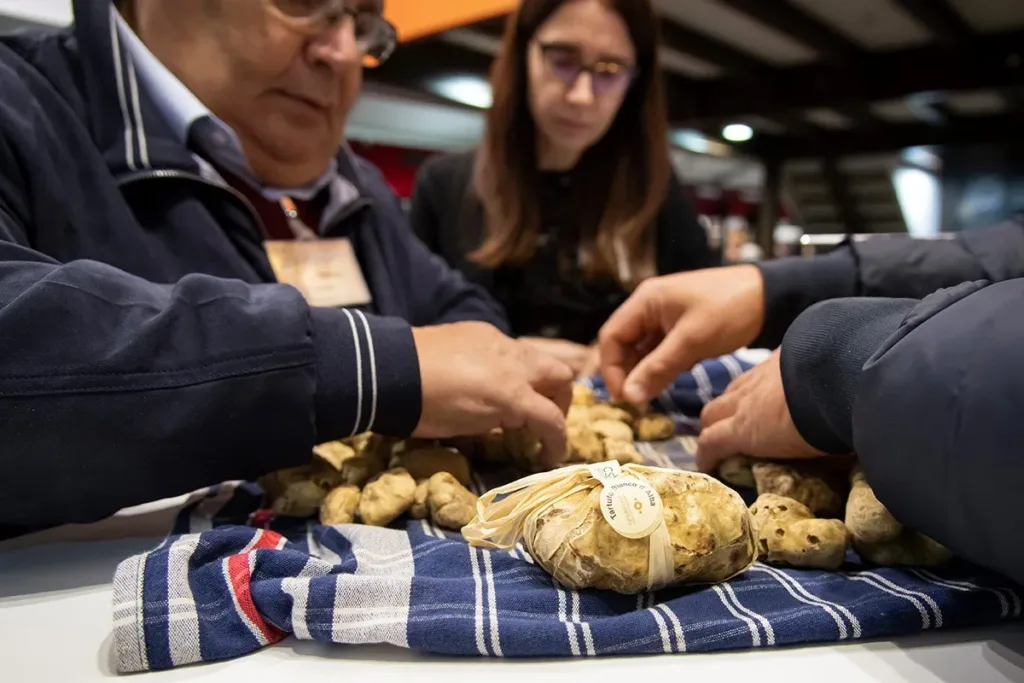
Guided truffle hunts usually involve a local hunter and trained dog. Piedmont and Tuscany are popular destinations, but truffle traditions also exist in Umbria, Marche and other regions.
Different truffle species have different seasons. Autumn is particularly associated with prized white truffles, but availability depends on local rules and natural conditions.
Choose an experience that explains where the hunt takes place, how much walking is required and whether a meal or tasting is included.
Sponsored activity: Browse truffle hunting experiences.
A find is not guaranteed; check what the experience includes.
Cooking Classes in Bologna
Compare these sponsored pasta and cooking experiences. Check the menu, group size, language and any market visit before booking.
Chianti Wine Tours & Tastings
Compare these sponsored wine visits and excursions. Some leave from Florence; others meet at the estate. Confirm the meeting point, transfers, food pairings and tasting inclusions.
Food & Wine Itinerary Ideas
Adjust these routes to flights, transport and how much driving you want to do. Alternative towns are choices, rather than a list of compulsory stops.
Three Days in Tuscany
Day 1: Explore Florence, visit a market and try traditional Tuscan dishes.
Day 2: Travel through Chianti. Choose two or three villages and one pre-booked winery instead of rushing between several tastings.
Day 3: Continue to Pienza, Montepulciano or Montalcino. Stay overnight in southern Tuscany if possible.
This route works best with a car or organised wine tours from Florence. Avoid driving after tastings.
Two Days in the Prosecco Hills
Day 1: Arrive in Conegliano, explore the historic centre and continue into the hills if time allows.
Day 2: Focus on Valdobbiadene, nearby vineyard roads and one or two booked winery visits.
Stay in Conegliano for easier train connections. Choose Valdobbiadene or the countryside for vineyard views and a quieter evening.
Three Days in Eastern Sicily
Day 1: Explore Catania’s historic centre, markets and local food.
Day 2: Take a guided Mount Etna excursion with a winery visit or use a driver.
Day 3: Continue towards Modica for chocolate, Baroque streets and southeastern Sicilian food.
A car provides flexibility, but organised Etna tours make the wine day easier and safer.
Three Days in Naples and Campania
Day 1: Explore central Naples and focus on pizza, traditional pasta and pastries.
Day 2: Visit another part of the city, join a food tour or explore the waterfront and local markets.
Day 3: Add a day trip to Pompeii, Herculaneum, Procida or the surrounding countryside.
Naples is one of the easiest food bases for travellers without a car. Trains and ferries provide several day-trip options.
Three Days Around Lake Iseo and Franciacorta
Day 1: Stay near the southern side of Lake Iseo and explore a lakeside town.
Day 2: Visit Franciacorta with a pre-booked tasting or organised driver.
Day 3: Add Monte Isola, Brescia or a relaxed lakeside lunch.
This route combines sparkling wine with scenery and a slower atmosphere than Italy’s largest cities.
Where to Stay for a Culinary Trip
Choose a city or village base for walking to dinner, restaurants and public transport. Choose countryside accommodation for vineyards and quiet, then confirm dinner availability, parking and transfers.
Florence: Culture & Tuscany Tours
Florence offers museums, restaurants, markets and a large choice of organised excursions. It is the easiest Tuscany base if you do not want to rent a car.
Stay centrally for a short city break. Choose the edge of the centre or accommodation near the station if day trips are the main priority.
Chianti: Vineyards & Slow Evenings
Chianti is better than Florence if countryside scenery and agriturismo accommodation matter most. Greve is practical, while Radda and Castellina offer more atmosphere.
Check parking, restaurant access and the distance to the nearest village before booking a rural property.
Conegliano or Valdobbiadene: Prosecco Bases
Conegliano is best for train access, urban services and shorter stays. Valdobbiadene is better for travellers who want to wake up closer to vineyards and rural roads.
A countryside wine estate may provide beautiful views, but it can make evening dining more difficult without a car or taxi arrangement.
Naples: Food & Transport
Naples offers the broadest selection of food experiences in Campania and excellent onward transport. It suits short breaks, budget-conscious travellers and visitors planning several day trips.
Choose the neighbourhood carefully. A central base can reduce the need for taxis and make evening meals easier.
Palermo: Markets & Street Life
Palermo is the strongest base for western Sicily’s market and street-food culture. The historic centre provides the most atmosphere and easy access to major sights.
A central stay is useful without a car. Travellers planning a longer road trip can collect a rental car when leaving the city rather than driving through the centre.
Catania: Etna & Eastern Sicily
Catania combines airport access, city food and excursions to Mount Etna. It is a practical choice for travellers who want variety without changing accommodation every night.
A countryside stay on Etna is quieter and closer to wineries, but Catania offers more restaurants and easier transport.
Pienza, Montalcino or Montepulciano: Southern Tuscany
Pienza works well for Val d’Orcia scenery and a central position. Montalcino suits Brunello-focused trips, while Montepulciano provides a larger hill-town base with restaurants and historic cellars.
All three are better with a car. Allow more travel time than the map suggests because rural roads are slower.
Seasons for Food & Wine Travel
Food experiences are available throughout the year. Production timing, natural conditions and individual operators’ schedules vary.
Spring
Spring is one of the best periods for city markets, countryside drives and winery visits. Temperatures are generally more comfortable than in midsummer, and vineyards become greener.
Easter and public holidays can affect opening hours. Reserve popular cooking classes and winery appointments in advance.
Summer
Summer suits coastal food trips, evening meals and destinations that combine wine with beaches or lakes. Sicily, Sardinia, Liguria, Campania and Lake Garda are especially lively.
Rural wine areas can be hot, and some producers may work around vineyard or holiday schedules. Plan tastings earlier in the day and avoid packing the itinerary too tightly.
Autumn
Autumn brings grape harvest activity, seasonal mushrooms, chestnuts, new olive oil and several truffle seasons. It is one of the most rewarding periods for food-focused countryside travel.
Harvest timing varies by grape, altitude, weather and region. Visitors should not expect to join production work unless an experience specifically includes it.
Winter
Winter is good for city food breaks, indoor cooking classes and slower restaurant experiences. Naples, Palermo, Rome, Bologna, Turin and Florence remain practical bases outside the main summer season.
Rural accommodation and wineries may operate on reduced schedules. Confirm visits and restaurant opening days before travelling.
Practical Food & Wine Tips
- Reserve winery visits in advance. Many estates are working farms rather than walk-in attractions.
- Use a designated driver, organised tour or private transfer on tasting days.
- Check whether food, transport and cellar tours are included in the advertised price.
- Do not plan more than two full winery visits in one day. Travel, tastings and lunches usually take longer than expected.
- Check ZTL restrictions before driving into historic centres.
- Choose village accommodation if you want to walk to dinner. Choose a countryside property if views, space and quiet matter more.
- Learn a few useful terms. Cantina means winery or cellar, degustazione means tasting, enoteca is a wine shop or wine bar, and agriturismo is rural accommodation connected with agricultural activity.
- DOP and IGP labels identify products connected with protected origins or production traditions. DOC and DOCG are commonly seen on Italian wine labels.
- Tell restaurants and tour providers about allergies or dietary requirements before arrival. Traditional menus can often be adapted, but not every tasting offers alternatives.
- Check customs and transport rules before bringing wine, cheese, meat or other food products home. Rules differ between the European Union and non-EU destinations.
Mistakes to Avoid
Do not expect every famous Italian dish to be traditional everywhere. Carbonara belongs to Rome, pizza has its strongest connection with Naples, pesto is Ligurian and many pasta shapes are deeply regional.
Do not choose a remote vineyard stay without checking how you will reach restaurants. A beautiful agriturismo can become inconvenient if dinner is not available and the nearest village is several kilometres away.
Do not arrive at small wineries without an appointment. Some producers welcome visitors only at specific times, while others require advance booking for English-language tours.
Do not drive after a full tasting. Rural roads can be narrow, dark and unfamiliar. A designated driver or organised transfer removes this problem.
Do not treat a food market as a tourist attraction only. Be respectful of regular shoppers, avoid blocking narrow aisles and ask before photographing individual vendors.
Do not build the entire trip around famous labels. Local table wines, seasonal dishes and smaller producers can be just as memorable as internationally recognised names.
Frequently Asked Questions
Which Part of Italy Is Best for Food?
Emilia-Romagna is one of the strongest choices for fresh pasta, cheese, cured meats and producer visits. Naples and Palermo are better for street food, while Tuscany combines food with wine and countryside stays.
What Is the Best Wine Region to Visit in Italy?
Tuscany is the easiest all-round choice for first-time visitors. The Prosecco Hills suit sparkling-wine lovers, Piedmont is ideal for Barolo and Barbaresco, and Etna offers volcanic vineyards with dramatic scenery.
Is Tuscany or Veneto Better for a Wine Trip?
Choose Tuscany for red wine, hill towns and agriturismo stays. Choose Veneto for Prosecco, easier train connections and a route that combines Venice, Treviso, Verona or Lake Garda.
Can You Visit Italian Wine Regions Without a Car?
Yes, but the experience requires more planning. Florence, Verona, Conegliano, Catania and several other cities offer organised wine tours. Rural estates are usually easier to reach with a driver, tour or car.
How Many Days Do You Need for a Food and Wine Trip?
Three days are enough for one city and one nearby wine area. Five to seven days allow a more relaxed route with two bases, cooking experiences and countryside stays.
Are Italian Food and Wine Trips Suitable for Families?
Yes. Markets, farms, cooking classes, cheese producers and countryside stays can work well for families. Winery rules vary, so check whether children are accepted before booking a tasting.
When Is the Best Time to Visit Italy for Wine and Food?
Spring and autumn provide the best balance for most travellers. Spring brings mild weather and green landscapes, while autumn adds harvest activity, truffles, mushrooms and new olive oil. Cities and cooking classes work throughout the year.
Plan Your Italy Food & Wine Holiday
Build your holiday around one or two connected regions. Choose a practical base, book one well-matched tasting or cooking experience and leave time for markets and ordinary local meals.
Explore more things to do in ItalyDisclosure: This page may contain affiliate links. This means that we get a small commission from any purchase you make, at no additional cost to you!