
Liguria, Italy
Explore Genoa’s old streets, the villages of Cinque Terre and the beaches of the Ligurian coast. Choose a coastal base, then plan time for walking, local food and days by the sea.
Quick planning answer
How long to stay: For a short visit, consider 3–4 days in one area. A week allows beach time and walks; around 10 days gives more room for Genoa and both Rivieras without rushing.
Who it suits: Walkers, couples, food lovers and families can all find a suitable base. Match the town’s beaches, steps and transport to your group.
Which area to choose: Choose Genoa for culture, the Levante for headlands and Cinque Terre, or the Ponente for beach resorts, cycling and inland villages.
With or without a car: Coastal rail makes a car-free holiday practical. A car is more useful for inland valleys; check parking and access before choosing a hotel.
Where to base yourself: Try Genoa, Santa Margherita or Camogli, Levanto or La Spezia, Sestri Levante, or a western beach town. Stay near the places you most want to explore.
Explore this guide
Choose your area
Genoa
A working port city with medieval lanes, Rolli palaces and a strong food culture. Suits city breaks, museum days and rail trips. Add Boccadasse or Nervi for the sea; choose accommodation with a practical route to your station.
Riviera di Levante
Headlands, vineyards, fishing harbours and a mix of sandy bays, pebbles and rocky coves. Suits walkers, couples and village visits: Camogli, Sestri Levante, Cinque Terre and Porto Venere. Rail access matters; small coves can involve steps and scarce parking.
Riviera di Ponente
Beach resorts, olive-growing hills and coastal cycling, with sand, shingle and rocky stretches varying by town. Suits families and active beach holidays: Alassio, Diano Marina, Sanremo and Finale Ligure. Check the station-to-hotel distance and access to inland outings.
Places to visit in Liguria
Start with these nine places, then use the smaller guides below for village visits, parks and themed trips.

Genoa
Explore Via Garibaldi, the Rolli palaces and the Old Port. A useful choice for culture, food and a city break in any season.
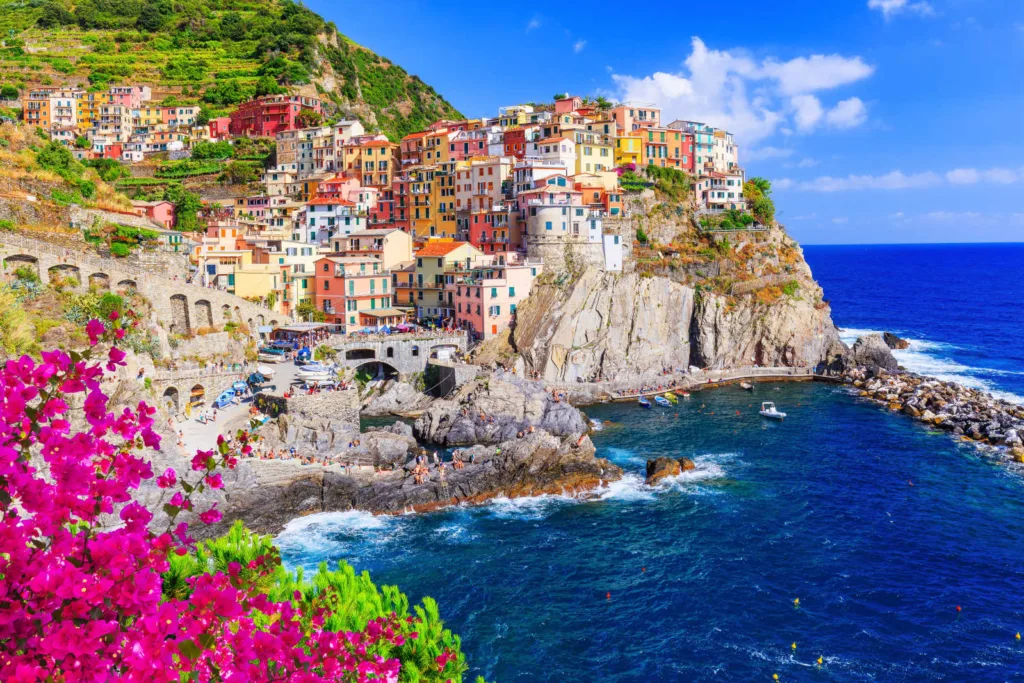
Cinque Terre
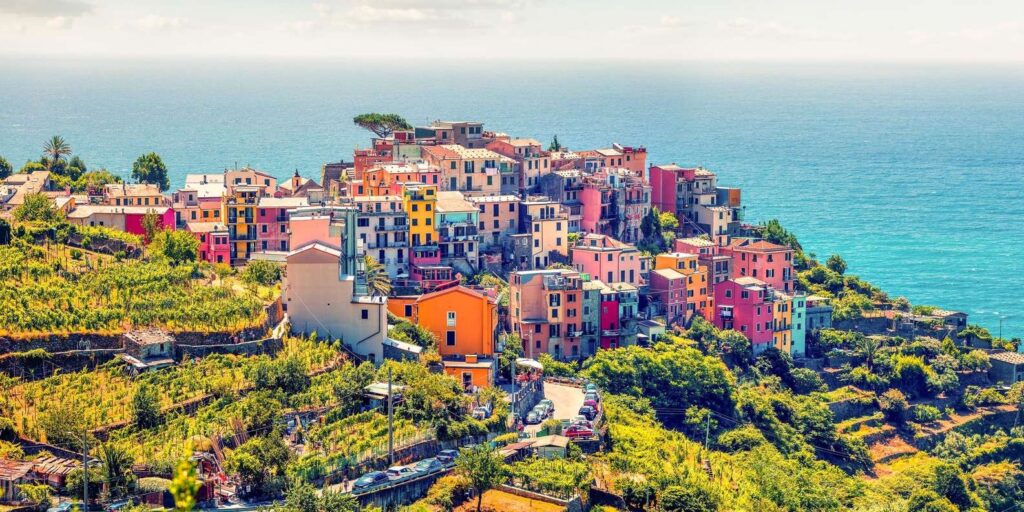
Five villages in southeast Liguria, linked by rail and walking routes. Choose a few stops and check trail access before building a day around a hike.

Portofino
A small harbour beneath a wooded headland, with viewpoints and routes into the regional park. Visit from a nearby rail-connected town.
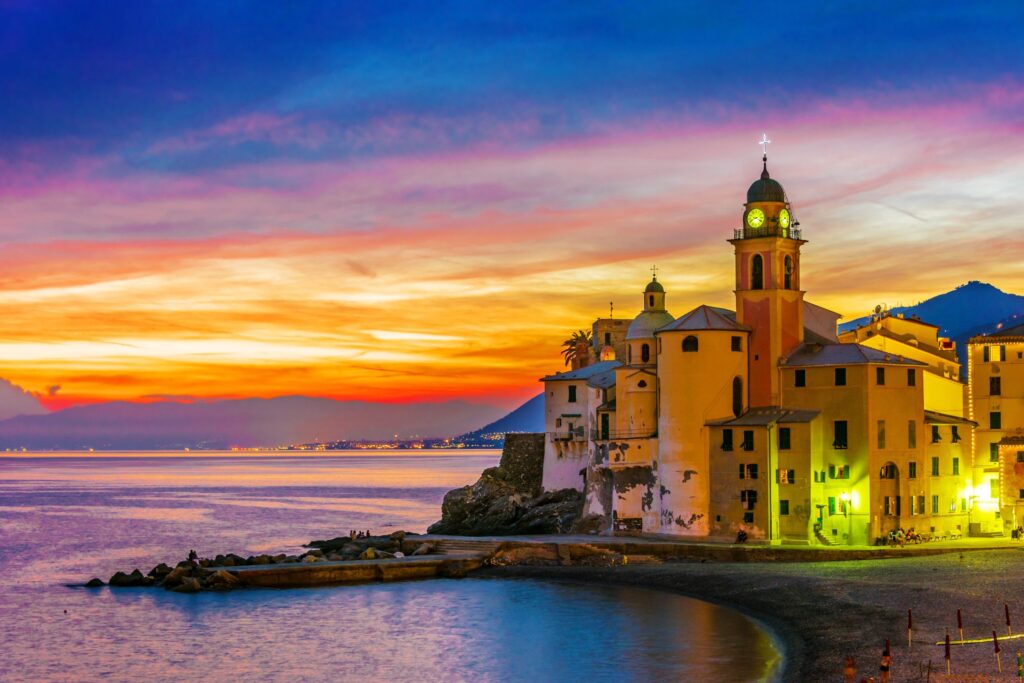
Camogli
Colourful seafront houses, a pebbly beach and seafood by the harbour. Combine a town visit with the Portofino headland when conditions suit.

Sestri Levante
Two bays and a walkable old centre make this a comfortable mix of beach time and exploring. Leave time for Baia del Silenzio.
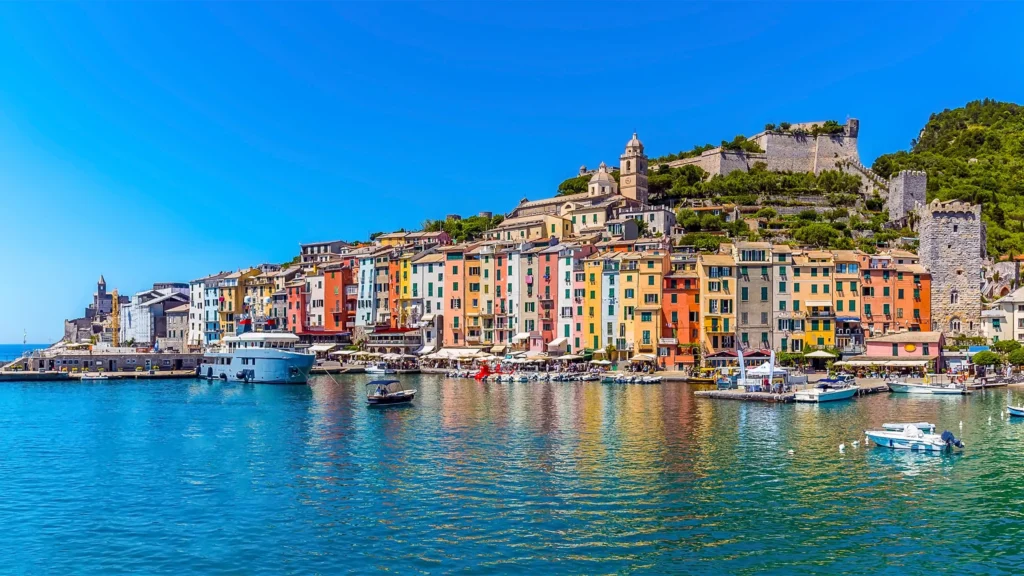
Porto Venere
A waterfront of tall houses, a castle and a church on the rocky point. Plan access from La Spezia by road or a boat service operating on your dates.
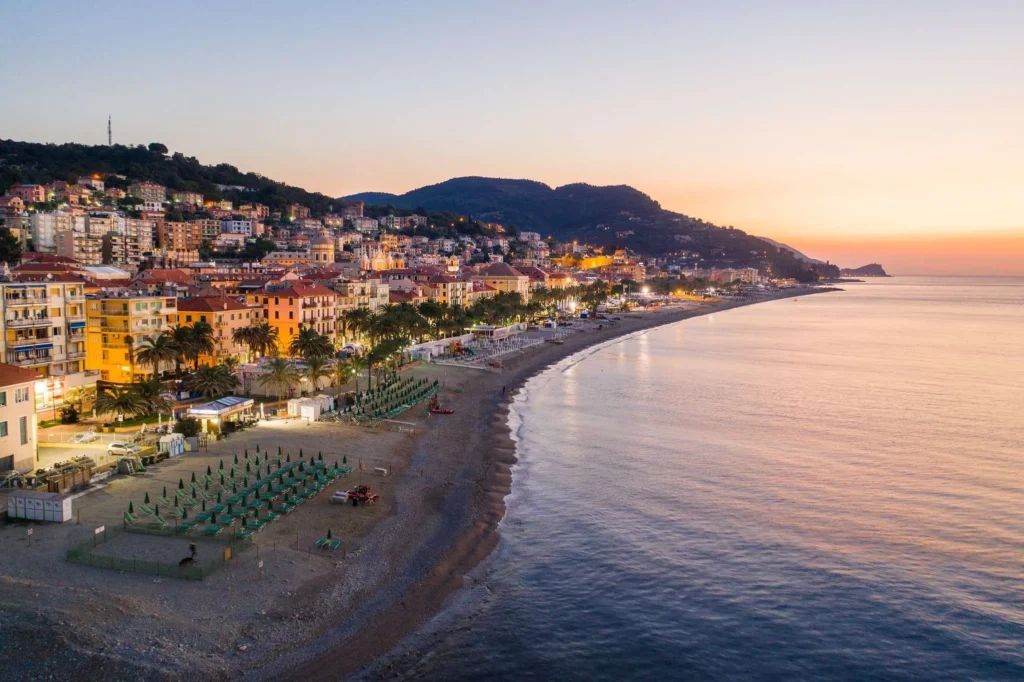
Finale Ligure
Mix a beach holiday with Finalborgo’s medieval streets, climbing and mountain biking in the hills. Choose guided activities to match your experience.

Sanremo
Explore the old quarter and seafront, then ride a stretch of the Riviera cycle route. It also works as a base for the far western coast.
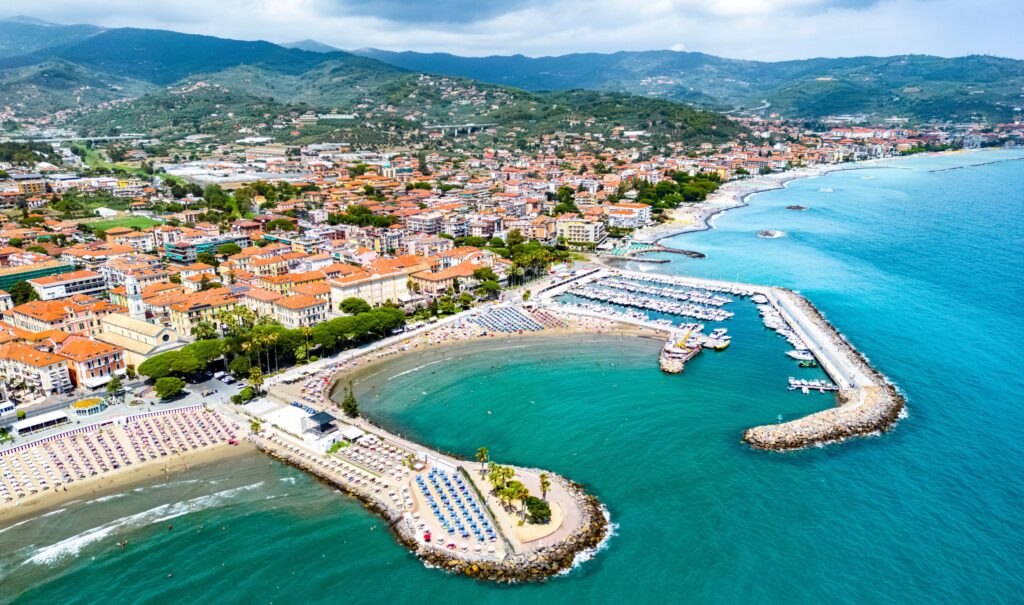
Diano Marina
A practical beach town with a broad bay and family facilities. Compare the walk to the beach and the distance from the station before booking.
Where to stay in Liguria
Choose your base around your main outings. Short coastal distances can still involve changes of train, buses, steep paths or a walk with luggage.
Some links below are affiliate links. We may earn a commission from qualifying bookings, at no extra cost to you.
Genoa
For museums, food and rail day trips. The Old Port and historic centre put sights close by; check walking routes with luggage and access to Piazza Principe or Brignole. Drivers should confirm garage access.
Santa Margherita Ligure and Camogli
Santa Margherita offers a larger resort base for Portofino buses and boats. Camogli suits a smaller seafront stay and walks from San Rocco. Both have stations; check hills, stairs, boat schedules and hotel parking.
Levanto and La Spezia
Levanto combines a beach-town holiday with rail access to Cinque Terre. La Spezia offers a larger town, rail connections and access to the Gulf of Poets. Compare the walk to the station; a harbour-side stay may be farther from trains.
Sestri Levante
For couples and families who want beach time, cafés and rail day trips from one town. Stay within a comfortable walk of the bays and station. Ask about parking and any restricted access to the old centre.
Western Riviera beach bases
Alassio suits a sandy beach holiday; Diano Marina offers family facilities; Sanremo adds an old town and coastal cycling. Imperia is another option for beaches and markets. Beach surfaces and station locations vary, so check your exact address.
Finale Ligure
For climbing, mountain biking and time by the sea. The seafront suits beach days; inland Finalborgo puts medieval lanes closer. Check bike storage, transfers to trailheads and parking if you plan to explore the hills.
If you prefer to stay in Portofino itself, compare stays in Portofino. This is a separate option from Santa Margherita Ligure or Camogli.
Compare the complete price and cancellation terms. Confirm air-conditioning, lift or step-free access, room arrangements and parking directly with the property.
Things to do in Liguria
Combine coastal time with a walk, a town visit or a meal built around local produce. Choose activities near your base and keep an alternative for heat, rain or rough seas.
Beaches and coastal experiences
Liguria has sandy bays, shingle, pebbly beaches and rocky swimming places on both Rivieras. The exact beach matters more than a simple east–west distinction. Town beaches generally offer more facilities than small coves.
Bays on the Levante
- Paraggi and the Portofino peninsula: small bays with limited space; check the practical access before you go.
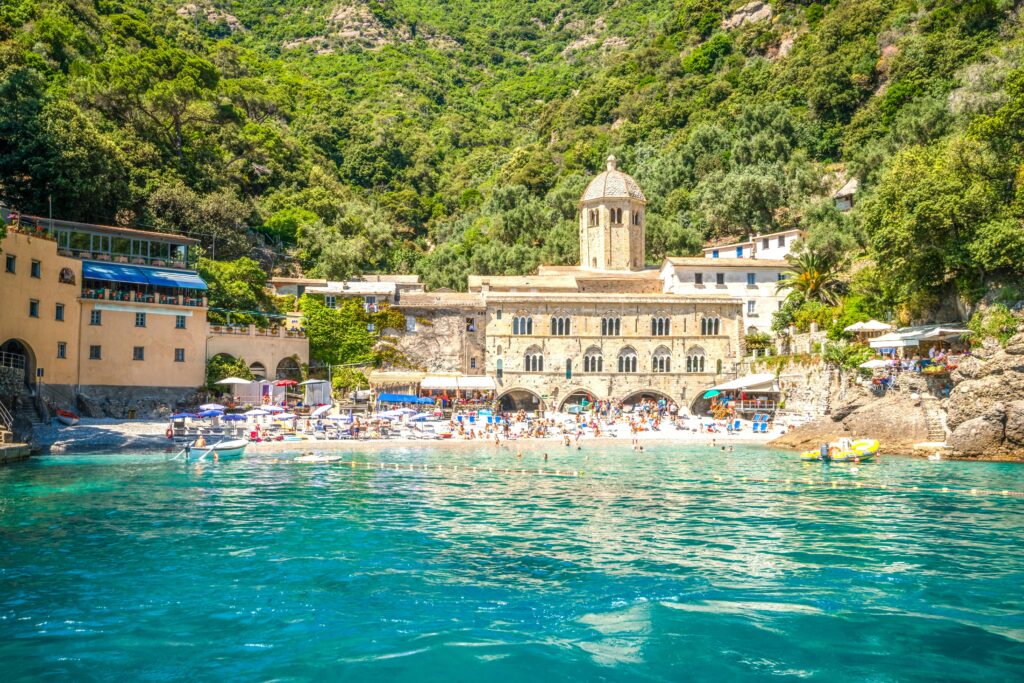
- Camogli and San Fruttuoso: pebbly shores; the abbey beach is reached by a suitable trail or an operating boat service.
- Sestri Levante and Moneglia: beach-town options with sandy stretches. Baia del Silenzio can be busy.
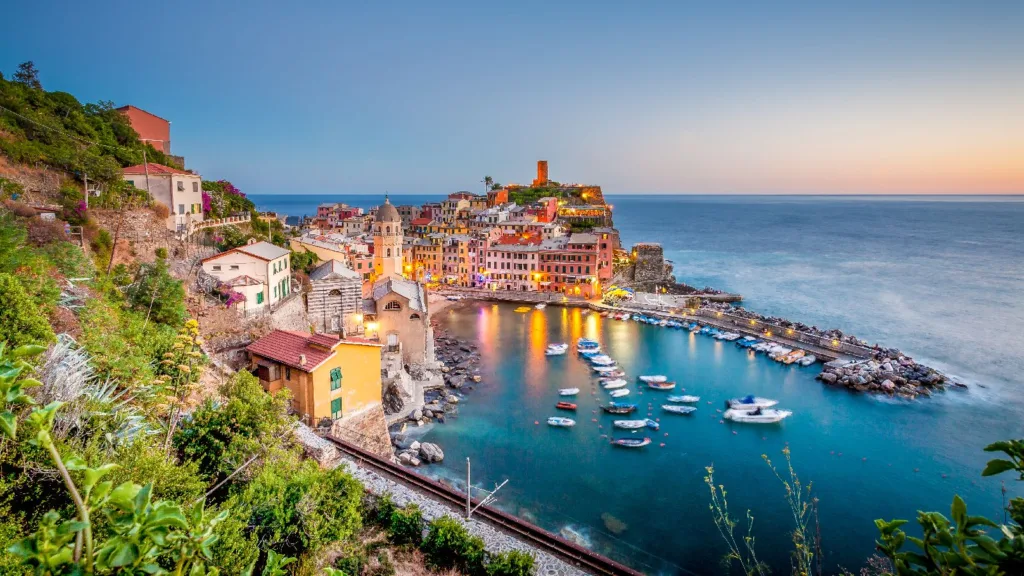
- Monterosso: the main beach option within Cinque Terre. Vernazza and Manarola offer smaller harbour or rocky swimming areas where locally permitted and conditions allow.
Beach towns on the Ponente
- Alassio and Laigueglia: long sandy arcs for a holiday centred on the beach.
- Diano Marina and Imperia: town facilities, cafés and a choice of bathing areas; inspect the exact strand near your accommodation.
- Finale Ligure, Noli and Varigotti: beach days with headlands and historic villages nearby.
- Sanremo, Bordighera and Vallecrosia: seafront walks and bathing areas with varying surfaces and facilities.
Choose the beach as carefully as the town
Beach clubs usually charge for umbrellas and loungers; free areas have fewer facilities and can fill quickly. Ask about showers, shade, entry steps and any seasonal accessible equipment. A promenade does not guarantee step-free access to the water.
Kayaking, SUP, snorkelling and sailing can add a different view of the coast. Use a suitable local operator, follow marine-area restrictions and check wind, swell and the return route. Small coves may have no lifeguard or easy exit.
Follow local signs and lifeguard flags, and avoid swimming around harbour traffic or in rough conditions. After storms, check for temporary closures. Take water, sun protection and footwear suited to the beach; leave no litter.
Hiking and nature
The hills rise quickly behind the coast. Stepped paths, exposed sections and long climbs can make a short distance demanding. Pick a route for your experience, check current conditions and arrange the return before setting off.
Cinque Terre: terraces, villages and access checks
Monterosso–Vernazza and Vernazza–Corniglia are classic coastal walks when open; higher sanctuary routes offer a different perspective. Check the park’s trail map and notices on the day. Heavy rain, maintenance or weather alerts can change access.
Compare the official Trekking and Treno Card options for your dates and planned travel. The train option covers the specified regional rail route between Levanto and La Spezia; check the current inclusions and conditions before purchase.
For ordinary visitors, Via dell’Amore requires a reservation and a selected entry slot, with entry at Riomaggiore and exit at Manarola. The park currently includes it in both card types, while booking remains necessary. Check the official access instructions and live notices before relying on it.
Beyond Cinque Terre
- Portofino Regional Park: consider Portofino–San Fruttuoso, routes towards Portofino Vetta, or Camogli–San Rocco–Punta Chiappa. Difficulty varies, and a boat return depends on service and sea conditions. Read the Portofino park guide.
- Beigua: explore the Monte Beigua area or routes around Passo del Faiallo and Pratorotondo. High ground can be windy or misty even when the coast is warm.
- Alta Via dei Monti Liguri: sample a stage near Cadibona and Altare, Passo dei Giovi and Passo della Bocchetta, or Faiallo and Pratorotondo. Confirm the precise route and transport; pass-to-pass walks need a return plan. Use the Alta Via guide.
- Aveto and Antola: Lago delle Lame, Monte Aiona and Monte Antola offer forests, upland scenery and village tracks. Check length, ascent and suitability rather than assuming a lake or woodland route is easy.
Look for spring flowers, raptors and woodland wildlife without disturbing them. Marine protected areas around Portofino and Cinque Terre have activity restrictions; use authorised operators and follow local signs and buoys.
Wear shoes with grip and carry enough water for the route and heat, food, a hat, a light shell, offline mapping, a charged phone, a small first-aid kit and a headlamp. Poles can help on steps. Stay on marked paths, protect terrace walls, avoid fires and check for ticks after wooded or grassy walks. Call 112 in an emergency.
Culture, food and wine
Genoa’s cathedral, Via Garibaldi and Palazzi dei Rolli tell the story of a maritime trading city. The Old Port’s museums and aquarium offer alternatives to outdoor days. Boccadasse adds a small fishing cove; Nervi combines a sea promenade, parks and villa museums.
Elsewhere, look for striped churches, painted trompe-l’œil façades, ceramic house numbers and wooden fishing boats. Weekly markets, craft traditions such as filigree and lace, and small museums of fishing or olive production add texture to a town visit. Check local calendars for music and food festivals.
What to try
- Pesto Genovese with trofie: basil, pine nuts, cheese and olive oil.
- Focaccia and farinata: try warm focaccia from a bakery and the thin chickpea pancake.
- Focaccia di Recco IGP: thin layers filled with fresh cheese.
- Anchovies and vegetable pies: look for acciughe and torte di verdura on local menus.
- Local wines: Vermentino or Pigato with seafood; Rossese di Dolceacqua from the western hills; Sciacchetrà, a sweet wine from Cinque Terre.
Reserve popular restaurants on weekends and holidays. Browse daily specials and quieter streets away from busy waterfronts, taste local olive oil and use morning markets for fruit and picnic supplies. A winery visit or a guided food walk can be a worthwhile extra.
Local experiences to consider
Use Genoa-based city activities or Ligurian food experiences to complement your own itinerary. Check the meeting point, language, duration and cancellation terms for each offer before booking.
These offers contain affiliate links. We may earn a commission at no extra cost to you.
Genoa and Boccadasse
Food and wine in Liguria
Suggested itineraries
These are starting points, not minimum stays. Focus a short trip on one area, allow for arrival and departure time, and keep walks and boats conditional on the day’s conditions.
3 days: Genoa and the Portofino peninsula
- Day 1: explore Genoa’s lanes, a Rolli palace and the Old Port.
- Day 2: take the train to Santa Margherita Ligure, then a suitable bus or boat to Portofino. Add a viewpoint walk if time allows.
- Day 3: visit Camogli and its seafront. Make San Fruttuoso a planned alternative, allowing enough time for the chosen trail or operating boat service.
4 days: Levanto and Cinque Terre
Settle in Levanto or La Spezia. Spend one day visiting selected Cinque Terre villages by train and another on an open trail or at Monterosso’s beach. Use the remaining time for Porto Venere or a slower local day; include Genoa or Sestri Levante only if your arrival route and pace make sense.
A week in one Riviera
Levante: split your nights between Levanto or La Spezia and Santa Margherita or Camogli, or use one base for a slower holiday. Mix Cinque Terre, a Portofino peninsula outing and a Sestri Levante beach day, leaving a flexible day for weather.
Ponente: use Sanremo or Alassio with a stay in Finale if outdoor sports are a priority. Add Imperia and Cervo, a stretch of the cycle route, or the markets and old towns of Bordighera and Ventimiglia.
Around 10 days across Liguria
Allow roughly three days for Genoa and the Portofino peninsula, three for Cinque Terre and Porto Venere, and four for a western base. Make longer moves by train where practical. Choose a few western outings rather than trying to cover every resort and inland village.
Flexible day plans
- Levanto and Cinque Terre: train to Vernazza, visit the village and add an open trail segment suited to your ability. Return by train for a beach evening.
- Portofino peninsula: choose a town and a walk, or link Camogli, Portofino and San Fruttuoso by services running that day. Do not depend on a final boat without checking it.
- Ponente cycling and beach: rent a bike near the Riviera cycle route, ride a manageable out-and-back section and pause at an open beach. Use a designated rest area, keeping tunnels and the path clear.
Getting there and around
Arriving in Liguria
Genoa is a useful arrival point for the central coast, with onward rail connections. Depending on your starting point, compare approaches through Milan, Turin, Pisa or Nice and the French border. Check the complete airport-to-base journey and late-arrival connections before booking flights. Use the site’s flight planning page if needed.
Use rail as the coastal backbone
Coastal trains connect the main towns, but frequency and stopping patterns vary. Check the timetable for your actual station and dates. In Cinque Terre, expect crowding at busy times; compare ordinary tickets with the park’s Treno Card for your planned journeys.
Follow the instructions for your ticket type. Trenitalia’s Digital Regionale Ticket automatically validates at the scheduled departure of the selected train; it does not require manual check-in. Paper and other ticket products have their own conditions. Check the platform and keep your ticket available for inspection.
Boats, buses and backup routes
Boats serve parts of the Cinque Terre coast, Porto Venere and the Gulf of Poets, while separate operators cover the Portofino peninsula. Active stops and service periods vary with the season, sea conditions and operator. Check Navigazione Golfo dei Poeti and Tigullio boat timetables, including the last return. A rail or road alternative is useful when sailings stop.
Buses fill gaps to Portofino, Porto Venere, hill villages and some trailheads. Check Sunday and holiday services and the last return before leaving. For remote inland trips, arrange transfers or an out-and-back route rather than relying on an unconfirmed bus.
Driving and cycling
A car can help with inland valleys, but narrow roads, restricted town centres and scarce coastal parking complicate village visits. Ask your host about the permitted approach and a confirmed parking space before arrival.
The Riviera dei Fiori cycle route follows stretches of former railway along the western coast. Choose an open section near your base and check access with a local rental operator. Levanto–Bonassola–Framura also has a former railway route for walking and cycling. Finale’s mountain biking is a different, more technical activity; select routes and guides accordingly.
Practical information
When to visit
Spring and autumn are good starting points for a walking and sightseeing trip, with weather checks still essential. March and April can bring flowers and quieter towns, but some visitor services run reduced schedules. May and June offer longer evenings. July and August suit a beach holiday but bring heat, crowding and higher accommodation demand.
September and October can combine coastal time with vineyard visits, although heavy rain can disrupt walks and travel. November to February suits Genoa’s culture and food, or a quieter western town stay. Do not assume beach clubs, ferries or seasonal attractions operate throughout winter.
Families and accessibility
For a family stay, compare beach entry, shade, shops, toilets and the walk from the station. Towns with promenades can be easier than stepped coves, but facilities vary. Confirm the precise entrance-to-room route, lifts, bathrooms and beach access with the property or operator. Ask the rail operator about station access and assistance in advance; do not assume level boarding.
Budget and booking choices
Prices depend on dates and location; peak summer and events can raise room rates. Compare flexible booking terms, meals and transport costs as well as the room price. Public beaches, bakery lunches, market produce and coastal trains can help manage spending. Keep some cash for smaller businesses.
If you want one special extra, consider a sea-view room, a guided hike, a winery tasting or a private boat outing when conditions suit. Check what is included rather than relying on a headline price.
What to bring and how to travel considerately
Pack layers, sun protection, a refillable bottle, walking shoes and a rain shell. Water shoes or a dry bag may help on coastal days. Keep luggage manageable on station steps and village lanes.
Respect quiet hours, working harbours and private vineyards. Refill only where water is marked safe to drink, take litter away and follow local fire and swimming notices. Keep an indoor alternative for storms and avoid treating a forecast as a guarantee.
Photographing the coast
Dawn and dusk offer softer light and quieter viewpoints. Use public paths and terraces, keep railway areas clear and avoid climbing walls. Carry a lens cloth for sea spray.
More Liguria guides
Explore the five villages individually, nearby towns, parks and ideas for couples.
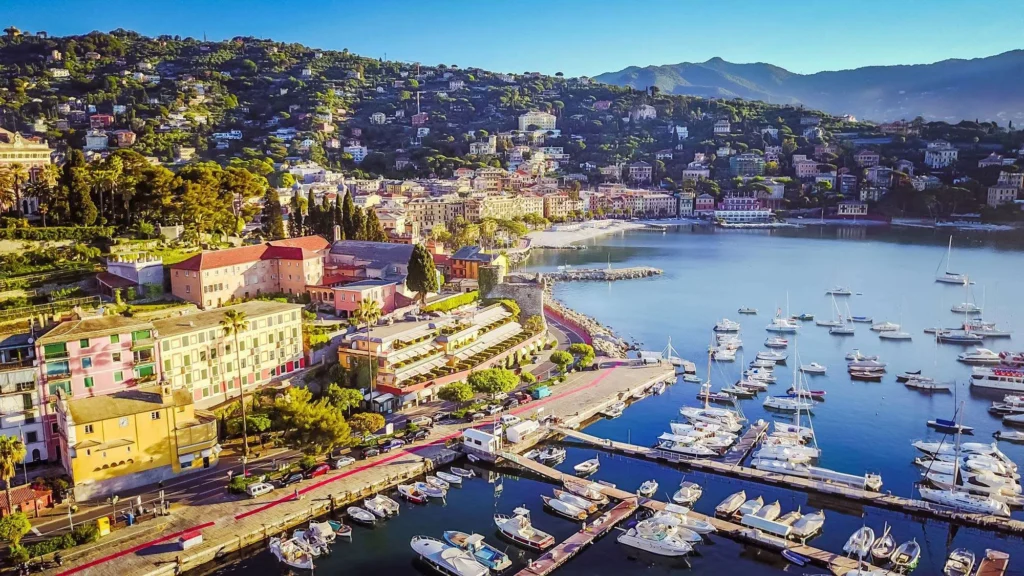
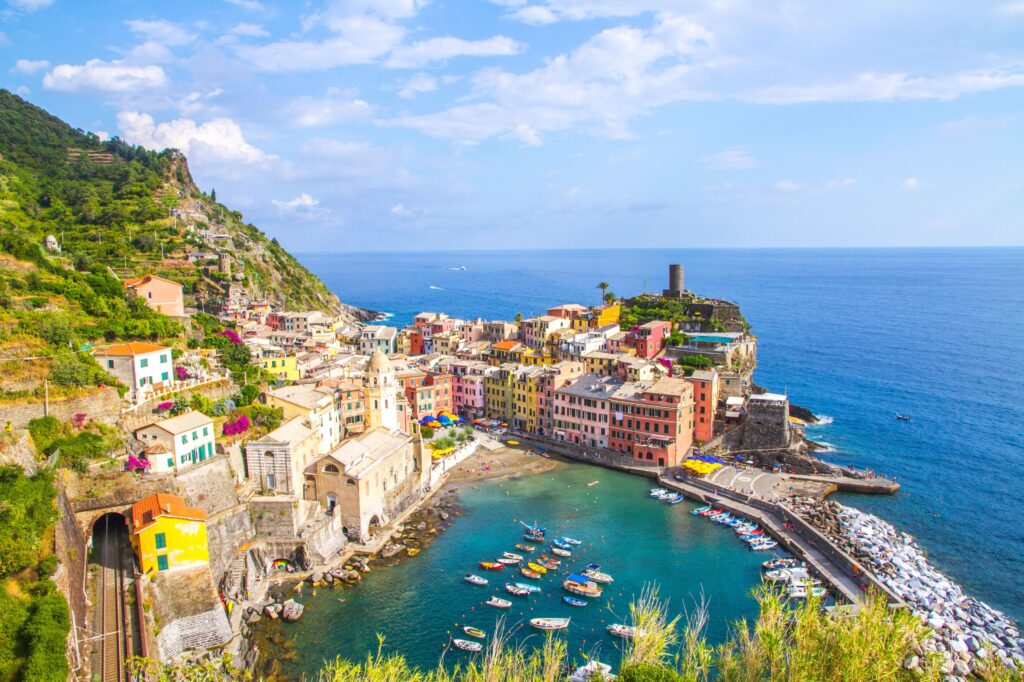
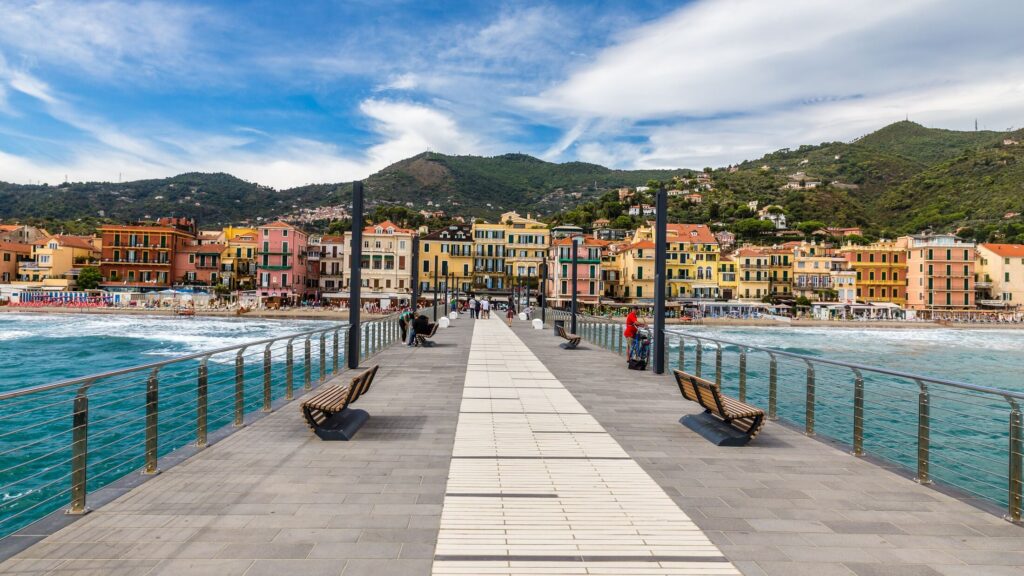
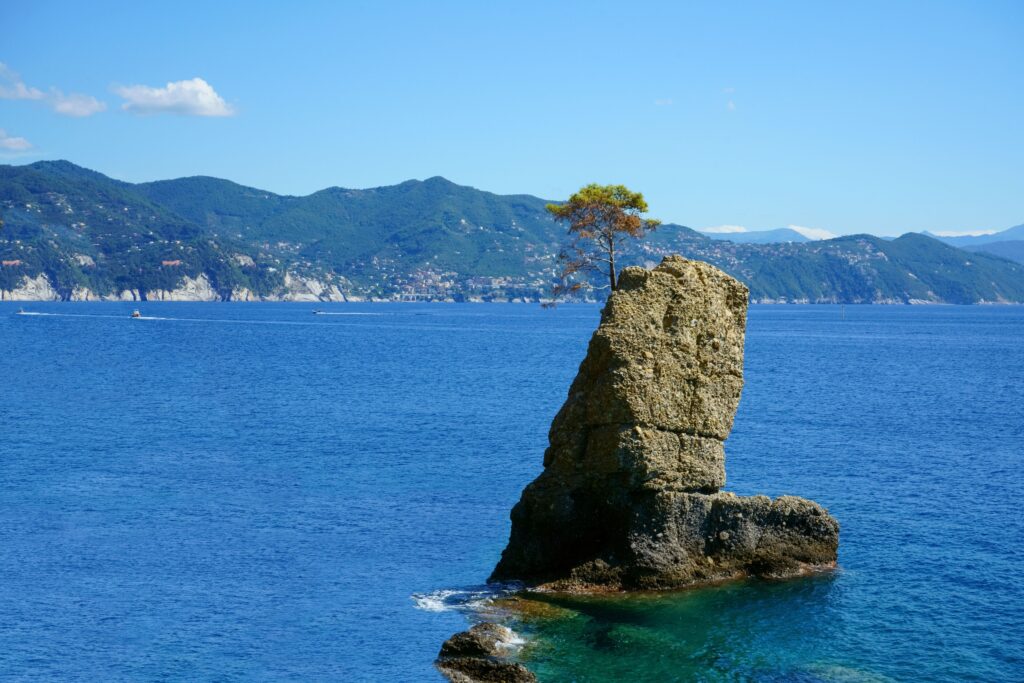
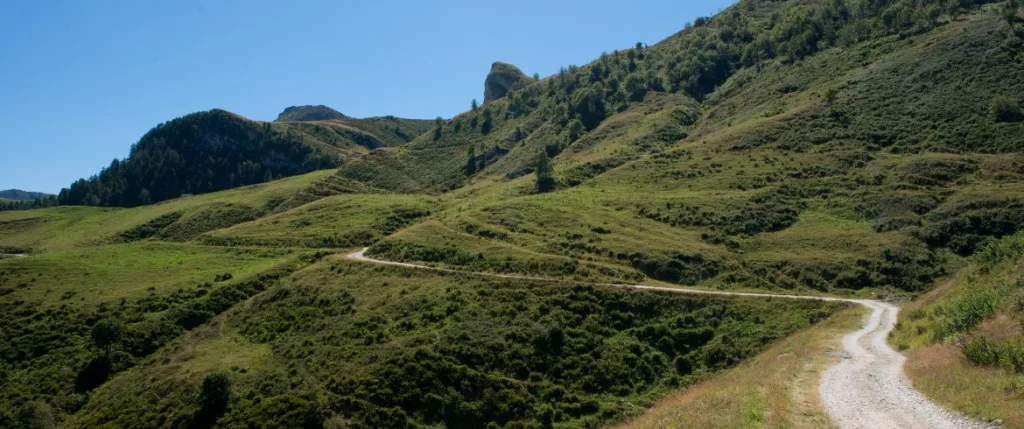
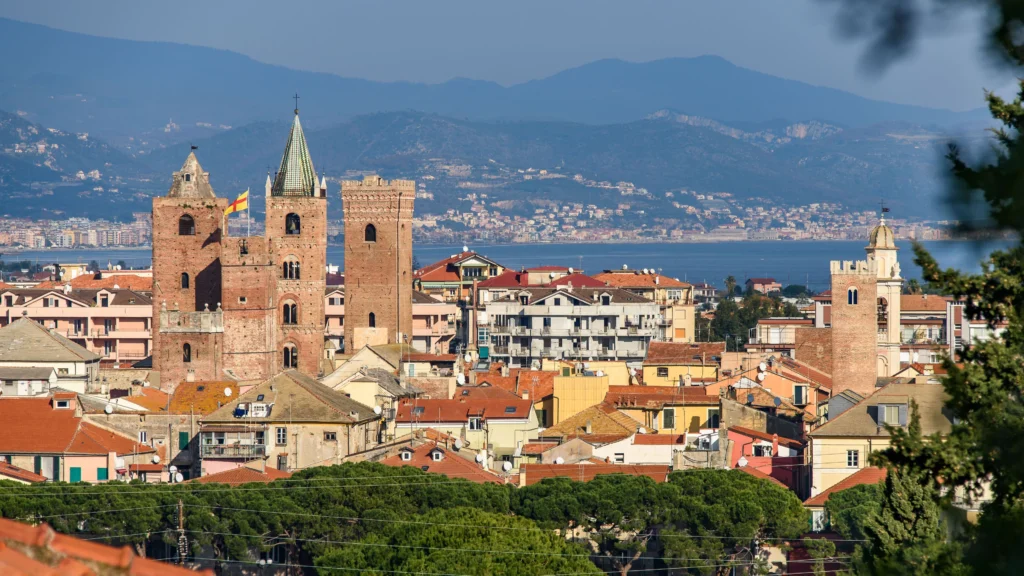
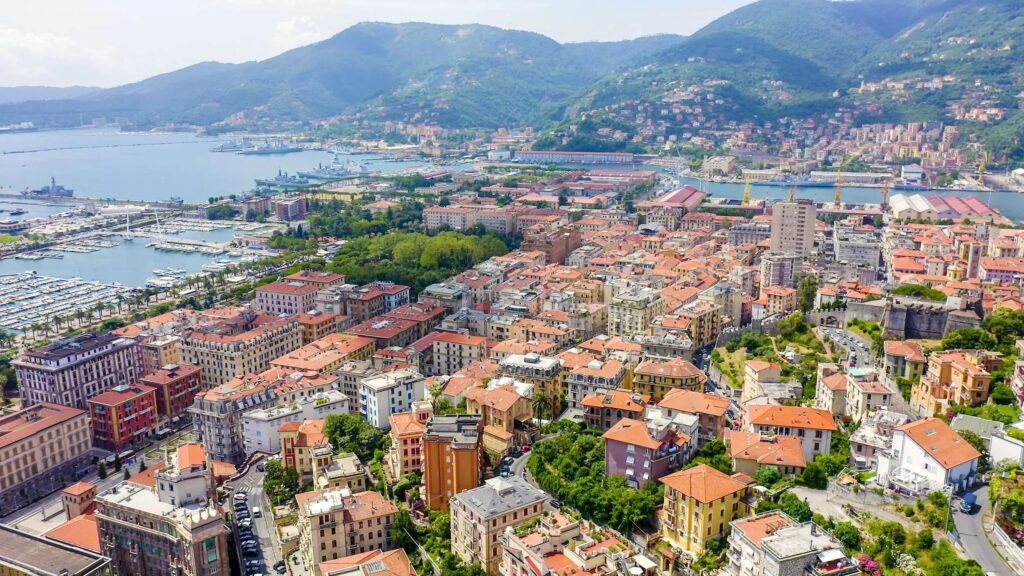



Smaller stops to add near your base
The Gulf of Poets: Lerici has a castle and promenade; Tellaro adds compact stone lanes above a small harbour. La Spezia is a practical access point. The La Spezia and Gulf of Poets guide offers more ideas.
Chiavari, Rapallo and Moneglia: choose arcaded shopping streets in Chiavari, a resort promenade and small seafront castle in Rapallo, or a beach stay beneath the hills in Moneglia. Bonassola and Framura add smaller stops near Levanto’s walking and cycling route.
Cervo, Laigueglia and Albenga: Cervo climbs to a church terrace, Laigueglia retains a low-rise fishing-town seafront, and Albenga pairs medieval towers with the coast. Near Finale, Noli has an old centre and fishing traditions; Varigotti’s colourful beachfront houses sit beneath headlands. Savona adds a port-city visit.
Bordighera, Ventimiglia, Dolceacqua and Apricale: combine palm-lined seafronts or Ventimiglia Alta with market time. Inland, Dolceacqua’s bridge and castle and Apricale’s hillside lanes reward a slower outing; confirm road or bus access before setting off.
Liguria FAQs
+How many days should I spend in Liguria?
Consider 3–4 days for one area, a week for a more relaxed mix of villages, walks and beaches, or around 10 days for Genoa and both Rivieras. Allow for your arrival route and preferred pace.
+Which part of Liguria should I choose?
Genoa suits culture and food. The Levante offers headlands, village visits and Cinque Terre; the Ponente offers beach resorts, cycling and inland towns. Beach surfaces and accessibility vary within each area.
+Can I visit without a car?
Yes. Use coastal trains as your main transport, with buses and operating boat services for gaps. A car is more useful for inland valleys; parking and restricted coastal centres can make it less convenient for village visits.
+Where should I stay for Cinque Terre?
Levanto combines a beach-town base with trains to the villages. La Spezia offers a larger town and access to the Gulf of Poets. Staying inside a village adds atmosphere but may mean more stairs, luggage handling and fewer parking options.
+When should I visit?
Spring and autumn often suit walking and sightseeing, with current weather and trail checks. Summer suits beach holidays but can be hot and crowded. Winter is useful for city breaks, while seaside services may be reduced.
+What should I check before hiking or taking boats?
Check official trail notices, weather alerts, card conditions and any reservation requirements. Via dell’Amore has controlled, reserved entry for visitors. Confirm the operating boat route and last return that day, and keep a land-based alternative.
Plan your Liguria holiday
Choose the base that fits your main interests, then leave space between outings. A few well-chosen villages, a coastal walk and time for local food make a more comfortable holiday than crossing the region every day.

