Nature in Italy: Parks, Lakes & Outdoor Experiences
Explore Italy’s mountains, lakes, national parks and coastal landscapes. Find hiking, cycling, island and volcano guides, then choose an outdoor holiday that fits your interests, season and pace.
Explore This Guide
Quick Planning Answer
The Dolomites: the strongest choice for dramatic mountains, alpine lakes and classic hiking.
Abruzzo: best for national parks, wildlife habitats and quieter Apennine scenery.
Lake Garda & Lake Como: nature with accessible towns, ferries and a wide choice of places to stay.
Sicily: the leading choice for volcanoes, with Mount Etna, the Aeolian Islands and coastal reserves such as Zingaro.
Sardinia: ideal for clear water, island parks, limestone gorges and rugged coastal adventures.
Liguria: combining colourful seaside towns with coastal trails.
For a first nature-focused holiday, choose one main region rather than trying to cross the whole country. Italy’s mountains, lakes and islands reward slower travel.
Choose Your Outdoor Experience
Mountains & Hiking
Compare Alpine peaks, Apennine plateaus and trails that range from viewpoints to demanding mountain routes.
Explore mountain guidesNational Parks & Wildlife
Find forests, wetlands and protected island landscapes. Choose a practical base and respect wildlife habitats.
Explore park guidesLakes & Easy Escapes
Balance lake walks, viewpoints, ferries and time by the water without planning a serious mountain expedition.
Explore lake guidesVolcanoes & Caves
Explore volcanic landscapes and a river cave, checking current access and choosing the right guided visit.
Explore geology guidesCoastal Trails & Islands
Choose sea-view walks, coves, boat days and island landscapes, with routes shaped by local conditions.
Explore coastal guidesCycling & Active Days
Compare short island rides, mountain biking and mixed activity holidays. Match the terrain to your experience.
Explore active guidesMountains & Hiking
Italy has several distinct mountain regions. The Alps dominate the north, while the Apennines run through the centre and continue south. Sardinia and Sicily add limestone massifs, gorges and volcanic slopes.
The best hiking destination depends on your experience, the season and how much transport planning you want to manage.
Veneto Dolomites
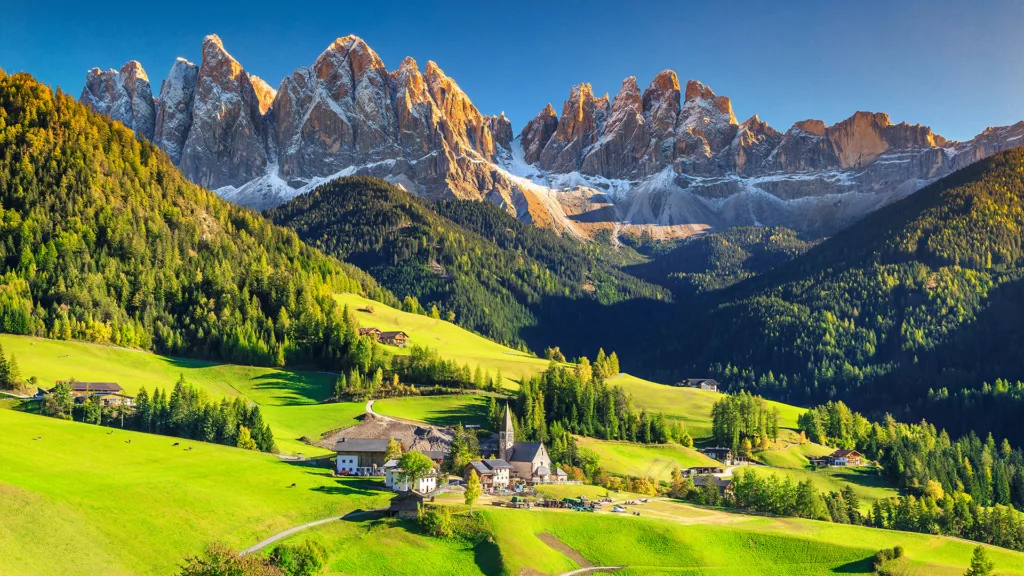
Explore iconic peaks, alpine lakes and classic hikes from Cortina d’Ampezzo, Misurina, Arabba, Alleghe or Val di Zoldo. Highlights include Tre Cime, Sorapis, Cinque Torri and Passo Giau. Road and lift viewpoints differ from longer walks; summer hiking still requires checking snow, parking, access and lift conditions.
Best for: iconic mountain scenery, famous hikes, rifugi and winter sports.
Read guide: Veneto Dolomites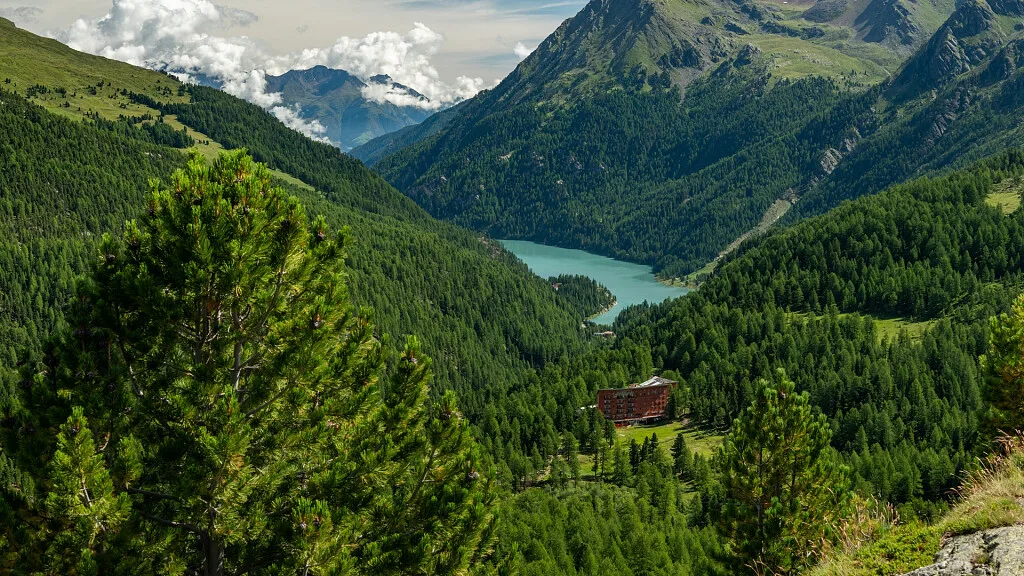
Stelvio National Park
Discover high passes, glaciers, long valleys and mountain villages across Lombardy and Trentino-Alto Adige. Bormio and the Valtellina provide useful bases for experienced hikers, road-trippers and cyclists. The Stelvio Pass is seasonal, so choose routes around current road, snow and mountain conditions.
Best for: high Alpine landscapes, mountain roads, cycling and summer walking.
Read guide: Stelvio National Park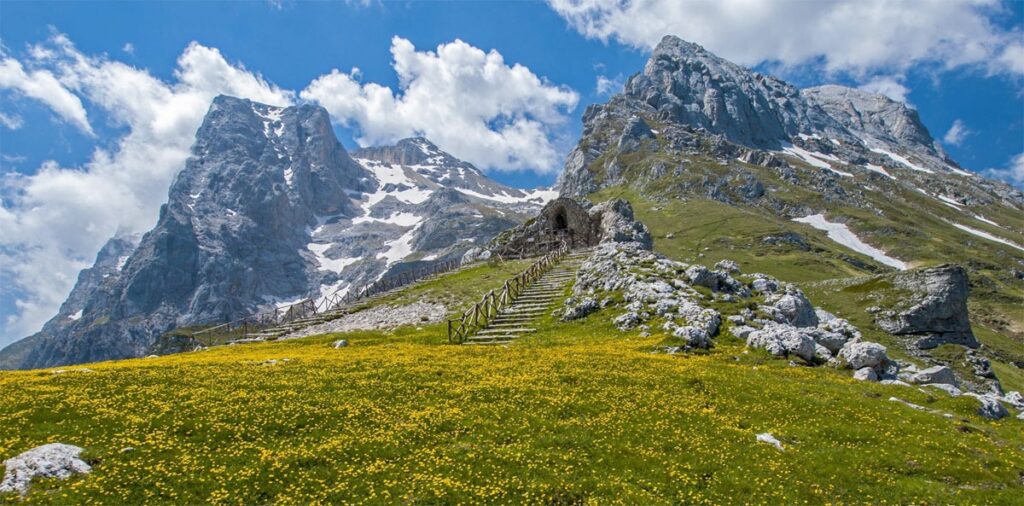
Gran Sasso and Monti della Laga National Park
Explore Campo Imperatore’s open plateau, high Apennine peaks and stone villages along mountain roads. Road-trippers can combine viewpoints and short walks without attempting a summit. Longer trails suit more experienced hikers, but altitude brings changing weather: carry layers, water and offline navigation.
Best for: open mountain plateaus, road trips and dramatic Apennine views.
Read guide: Gran Sasso and Monti della Laga National Park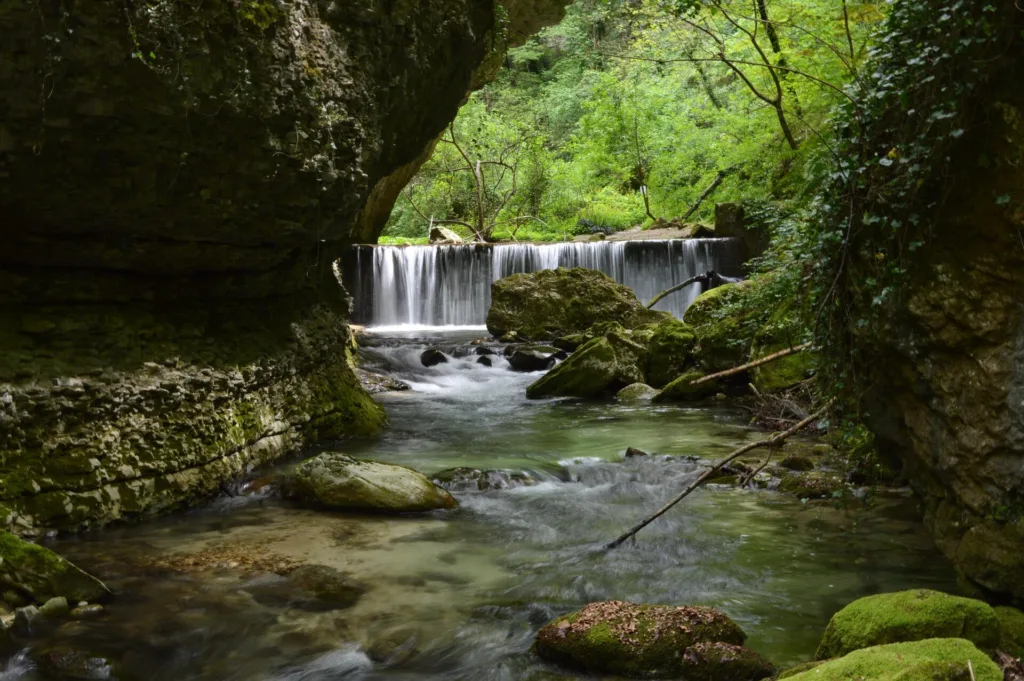
Majella National Park
Choose limestone gorges, forests, river paths and remote hermitages in a quieter Apennine setting. Valle dell’Orfento offers shaded nature walks, while routes towards Monte Amaro demand more preparation and suitable conditions. The park combines mountain villages with a choice between gentler outings and serious hikes.
Best for: gorges, historic hermitages and varied mountain trails.
Read guide: Majella National ParkMore Walking and Valley Options
Nearby Val Camonica offers a gentler mix. The valley combines UNESCO rock art, Lago Moro, thermal spa time and mountain access around Ponte di Legno and Passo del Tonale. It is a good alternative for families and travellers who want culture alongside easy nature.
For coastal walking, compare Portofino and Cinque Terre. Portofino routes range from straightforward paths to steep or exposed terrain; San Fruttuoso can be reached on foot or by boat when conditions allow. The Alta Via dei Monti Liguri follows Liguria’s mountain spine and suits experienced walkers with multi-day plans.
Oliena is a practical inland base for Su Gologone Springs, Valle di Lanaittu, Monte Corrasi and Supramonte landscapes. Routes around caves, archaeological sites and mountain valleys range from easy visits to demanding hikes.
Cala Gonone provides access to the Gulf of Orosei, Cala Luna, Grotta del Bue Marino and day trips towards Gorropu Gorge. Some coastal attractions are easiest by boat, while others require long walks over exposed limestone terrain.
Sardinian hiking should not be underestimated. Shade, water and phone signal can be limited. Use a qualified local guide for routes that are difficult to navigate or require specialist knowledge.
National Parks & Wildlife
Italy’s national and regional parks protect Alpine valleys, Apennine forests, coastal dunes, wetlands, islands and volcanic landscapes. They are not all remote wilderness areas. Several parks can be visited as day trips from major cities or established seaside bases.
Abruzzo, Lazio and Molise National Park
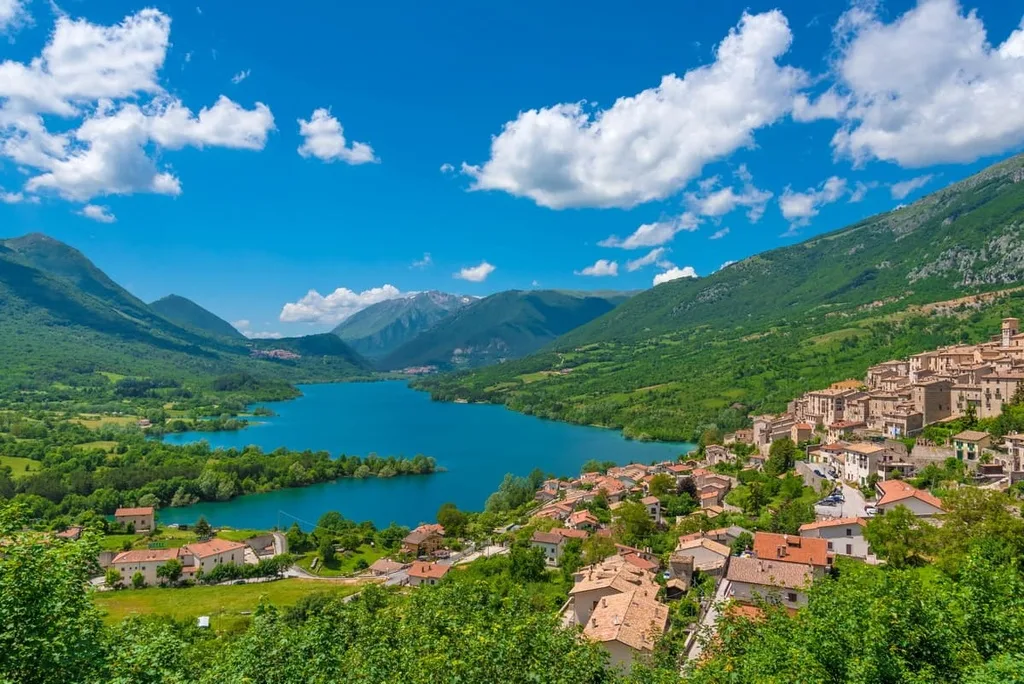
Explore forests, mountain villages and protected wildlife habitats from Pescasseroli, Barrea, Villetta Barrea, Civitella Alfedena or Opi. The park suits slow road trips, forest walks and shorter nature days. Bears, wolves, deer and chamois belong to this landscape, but sightings are never guaranteed.
Best for: forests, mountain villages and protected wildlife habitats.
Read guide: Abruzzo, Lazio and Molise National Park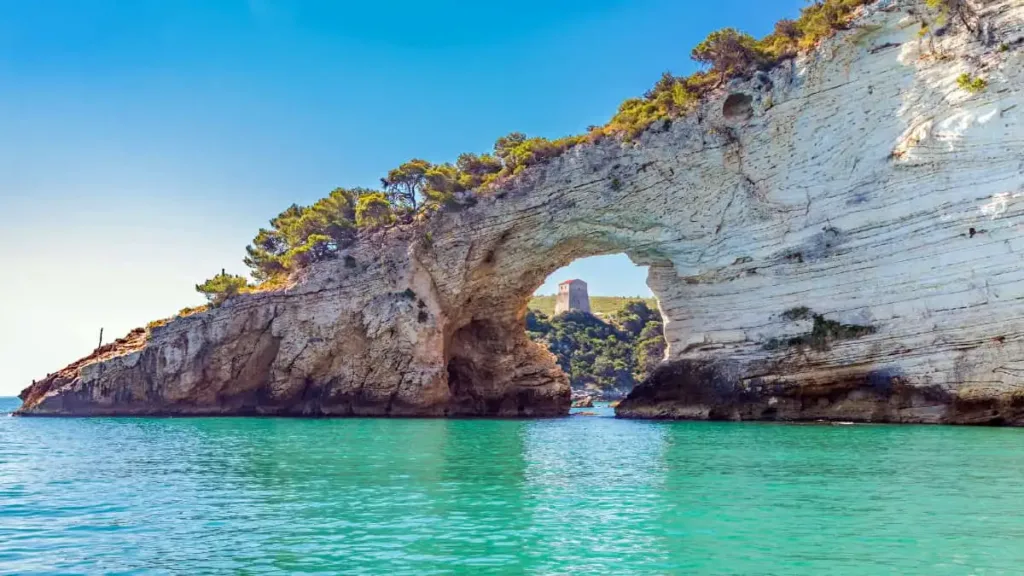
Gargano National Park
Combine northern Puglia’s white coastal cliffs and sandy beaches with Foresta Umbra, the lakes of Lesina and Varano, and the protected Tremiti waters. Vieste and Peschici suit coastal stays; Monte Sant’Angelo offers history and inland access. Choose Gargano for beaches and nature in one regional trip.
Best for: combining coastal scenery, forest and beach days.
Read guide: Gargano National Park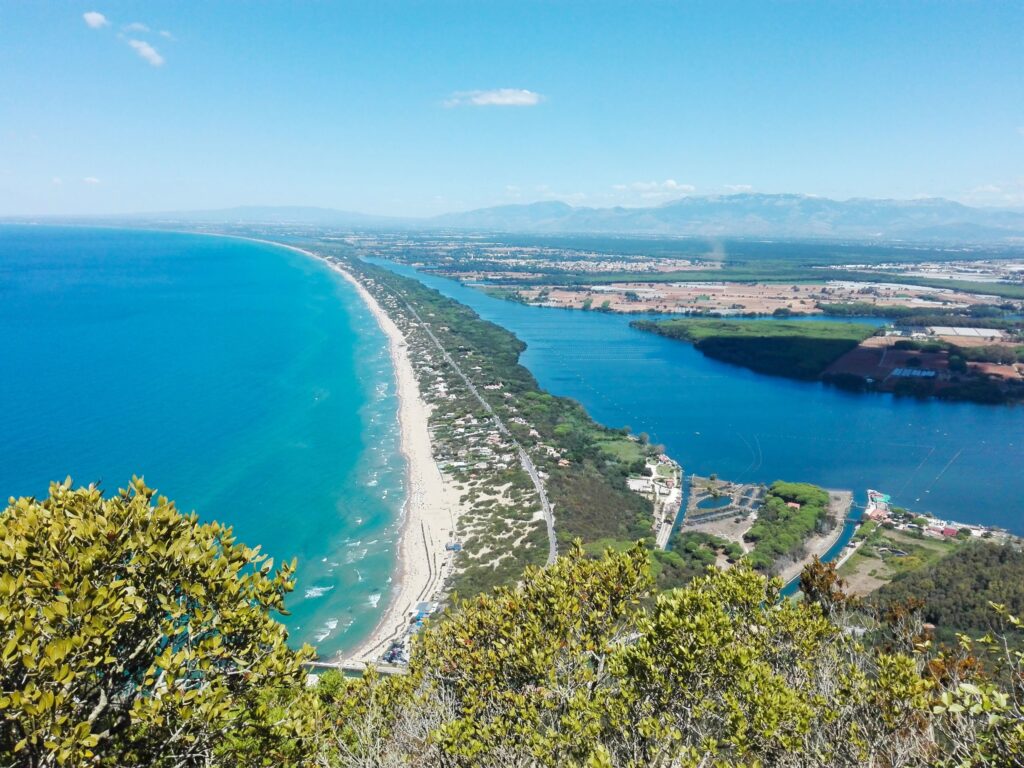
Circeo National Park
Find dunes, forests, wetlands and Monte Circeo south of Rome. Sabaudia provides access to a long sandy beach, Lake Paola and the visitor-centre area. Choose activities that match your interests, from birdwatching and beach time to gentler outdoor days away from high mountain terrain.
Best for: dunes, wetlands, birdwatching and gentler outdoor days.
Read guide: Circeo National Park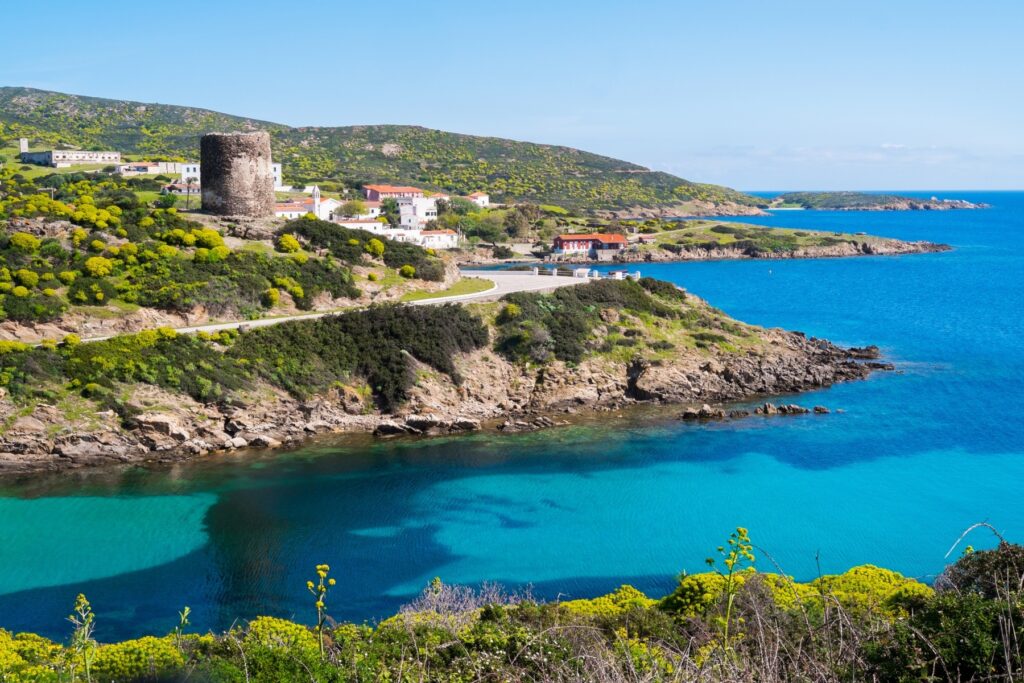
Asinara National Park
Plan a protected-island excursion from Stintino or Porto Torres, with open coastal landscapes, quiet coves, wildlife and former quarantine and prison sites. Arrive by boat and confirm authorised transport, bicycles or guided activities in advance. Private vehicle access is restricted; this is a carefully planned island visit.
Best for: protected island scenery, cycling, wildlife and quiet beaches.
Read guide: Asinara National Park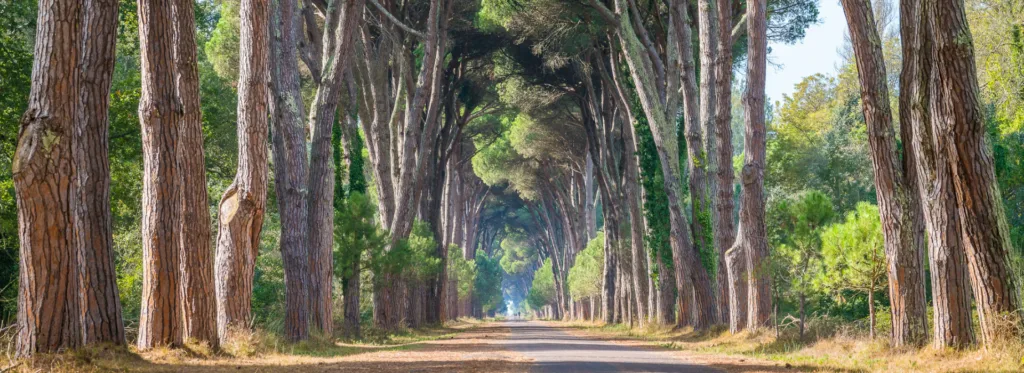
Migliarino San Rossore Nature Park
Take a quieter nature day near Pisa among pine forests, coastal dunes, wetlands and wild-feeling beaches. Flat terrain supports walking and cycling without demanding climbs. Some protected areas have controlled access, so check the appropriate entrance and activity before planning a family outing or city escape.
Best for: flat walks, cycling and a nature escape from Pisa.
Read guide: Migliarino San Rossore Nature ParkFor a visit to Asinara, confirm the park’s current visitor and transport arrangements. Wildlife sightings are never guaranteed; do not approach or feed animals.
Lakes & Easy Escapes
Italy’s lakes are not only for boat trips and waterfront restaurants. They also provide swimming areas, cycling routes, gardens, mountain access and scenic walks.

Lake Garda
Combine lakeside towns, swimming, water sports and cycling with mountain access. The northern lake suits steeper walks and sailing; southern and eastern shores offer gentler surroundings and family attractions. Choose Riva, Limone, Malcesine, Peschiera, Bardolino, Lazise or Sirmione according to your planned activities and transport.
Best for: lakeside towns, swimming, water sports, cycling and family attractions.
Read guide: Lake Garda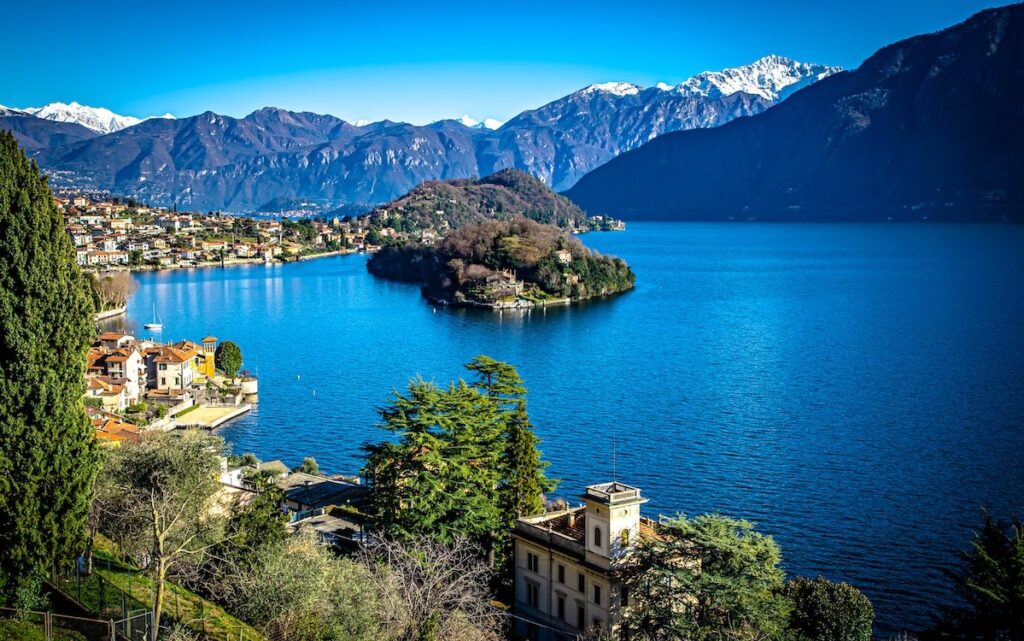
Lake Como
Use ferries and scenic towns to balance mountain views, villas, gardens and shorter lake walks. Bellagio and Varenna offer classic scenery; Menaggio is a central-lake base, while Como and Lecco have stronger transport connections. Try a suitable part of the Greenway or Sentiero del Viandante.
Best for: ferries, scenic villages, gardens and accessible lake walks.
Read guide: Lake Como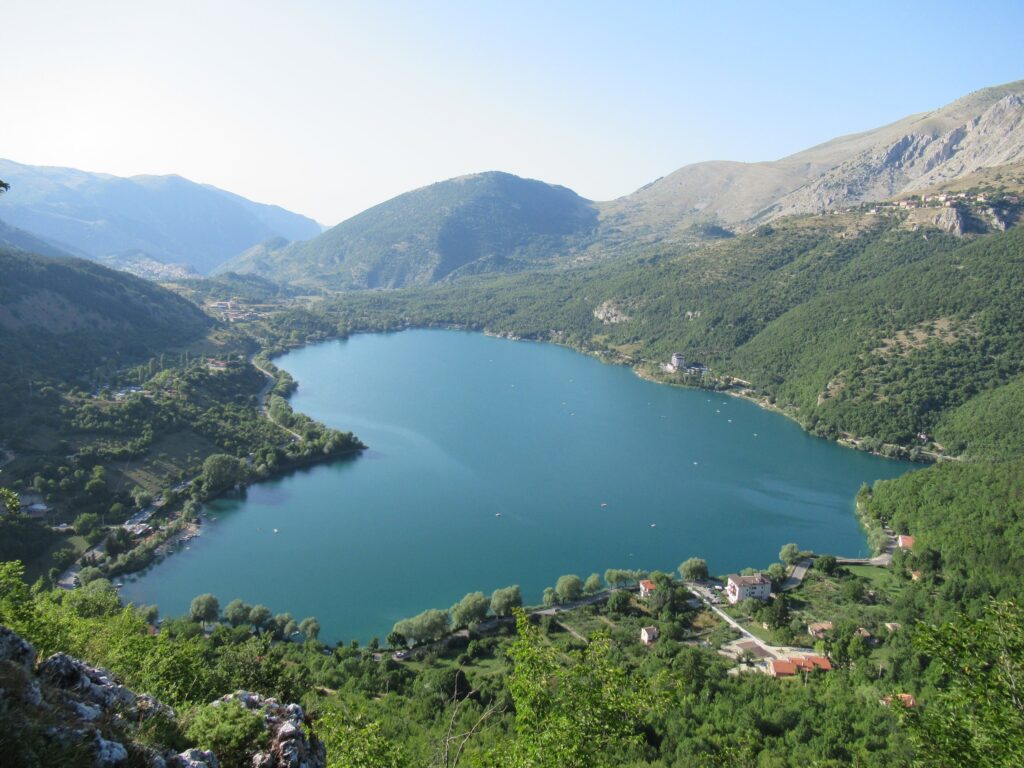
Lago di Scanno
Visit a smaller Abruzzo mountain lake known for the viewpoint where its shape appears like a heart. Choose a picnic, short walk, day trip or quiet overnight in Scanno or Villalago. It suits couples, families and photographers seeking a manageable lake experience rather than a long activity checklist.
Best for: a quiet lake day, viewpoints and a slower overnight stay.
Read guide: Lago di Scanno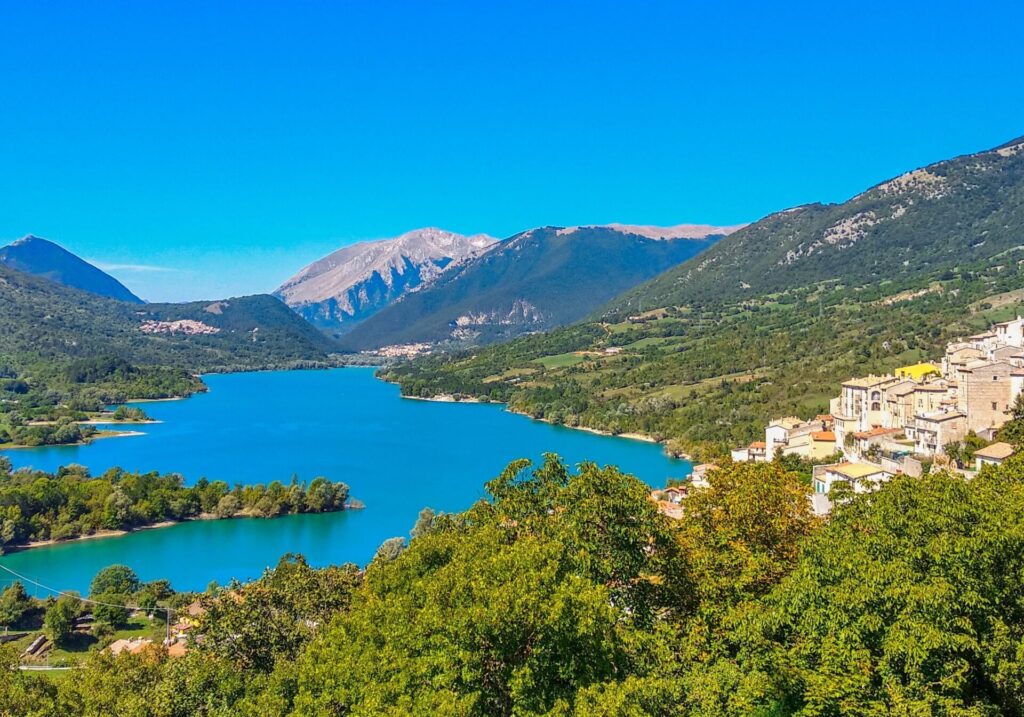
Lago di Barrea
Explore lake scenery and gentle park days around Barrea, Villetta Barrea and Civitella Alfedena in the wider Abruzzo National Park area. Barrea offers hilltop views and a quiet village atmosphere; Villetta Barrea provides access to popular park areas. The linked guide covers Barrea and its lake setting.
Best for: hilltop views and gentle national park exploration.
Guide destination: Barrea village.
Read guide: Barrea village and Lago di BarreaChoose a Lake Base
Lake Garda: Riva del Garda for mountains and water sports; Limone for lake views and the suspended cycle path; Malcesine for Monte Baldo; Peschiera for trains and family trips; Bardolino and Lazise for relaxed lakefront stays; Sirmione for historic atmosphere and thermal experiences. Different members of a mixed group can choose different activities.
Volcanoes & Caves
Italy’s geological attractions range from active volcanoes to limestone caves and lava-shaped coastlines. Conditions can change more quickly here than at conventional tourist attractions.
Mount Etna
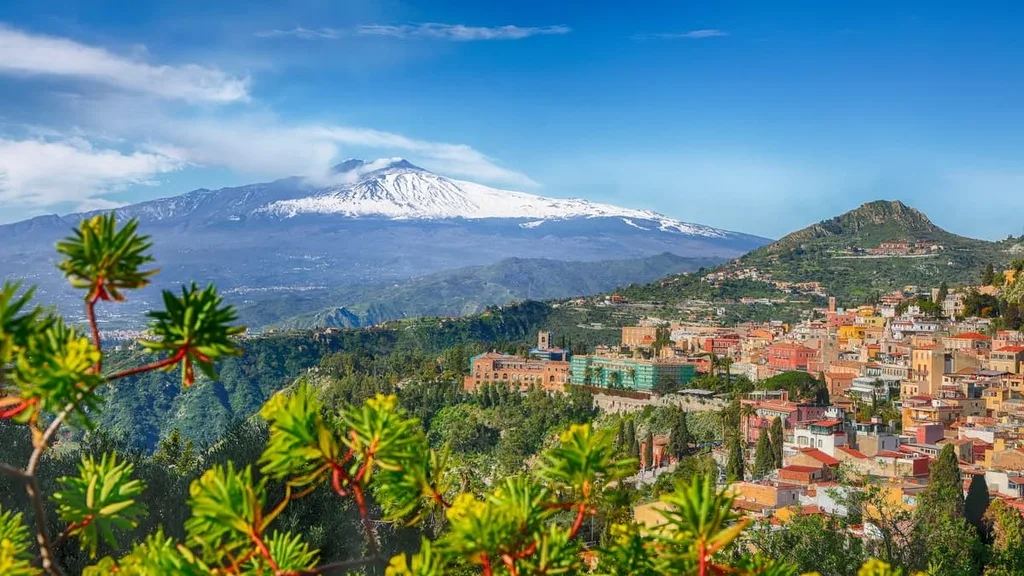
Explore eastern Sicily’s lava fields, craters, forests and vineyards. Rifugio Sapienza is a common starting area; the northern side offers different landscapes. Catania, Taormina and lower-slope towns can work as bases. Check current official restrictions and choose guided excursions when your planned terrain or access requires them.
Best for: volcanic landscapes, guided excursions, food and wine.
Read guide: Mount Etna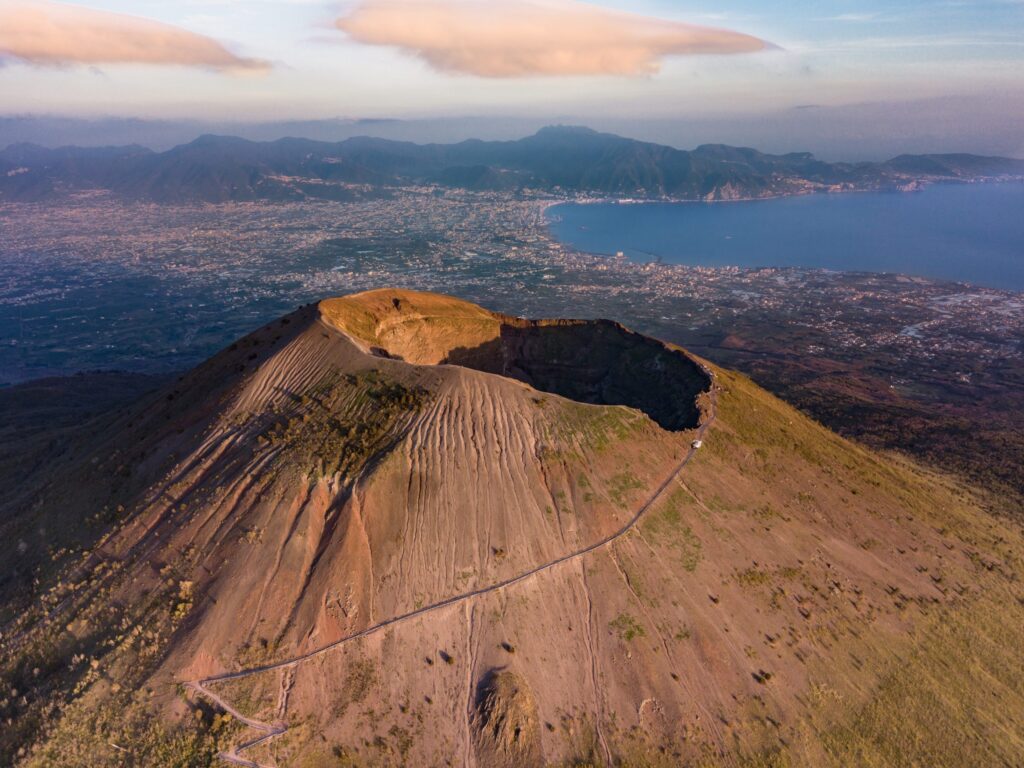
Mount Vesuvius
Combine a volcano visit with Naples, Pompeii or Ercolano. The main crater approach involves an uphill walk on exposed volcanic terrain, with limited shade. Check the official ticket and access arrangements, then confirm transport to the upper area before departure. In summer, plan carefully around heat.
Best for: a crater visit alongside a Naples-area city break.
Read guide: Mount Vesuvius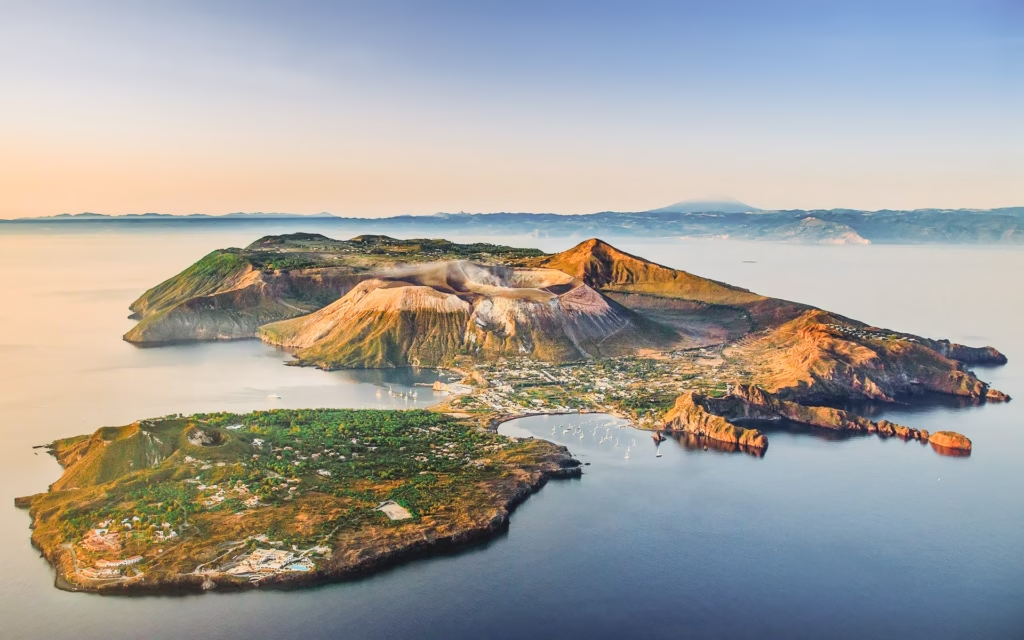
Aeolian Islands
Choose a volcanic island to match your pace: Lipari for services and connections, Salina for green scenery and slower stays, Stromboli for volcanic views or Vulcano for crater landscapes. Panarea is compact, while Filicudi and Alicudi suit quieter walking. Leave flexibility for restrictions, ferries and sea conditions.
Best for: volcanic island landscapes and a slower Mediterranean stay.
Read guide: Aeolian Islands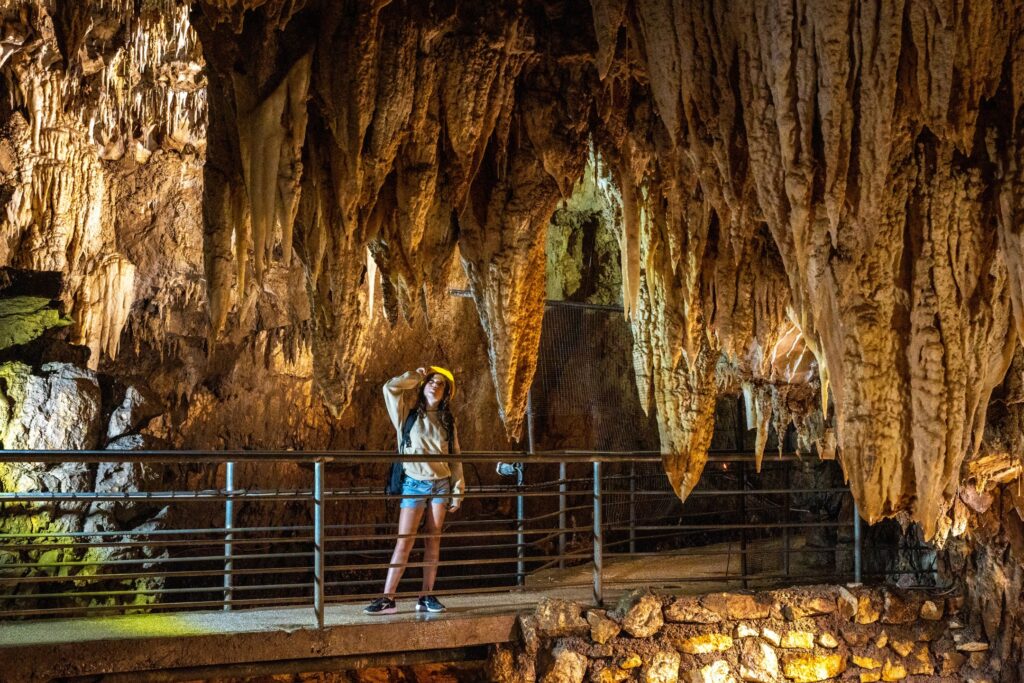
Grotte di Stiffe
Follow a guided route through an active river cave in Abruzzo, where underground water creates pools, rapids and waterfalls. Conditions are cool and damp, so bring a light layer and shoes with grip. Combine the caves with L’Aquila, Gran Sasso, Santo Stefano di Sessanio or another central Abruzzo stop.
Best for: guided cave visits and underground river landscapes.
Read guide: Grotte di StiffeBefore choosing an excursion, check Etna’s official access notices, the Vesuvius visitor information and Stromboli safety information. Routes, permitted access and boat connections can change.
Coastal Trails & Islands
Some of Italy’s strongest outdoor experiences sit directly beside the sea. Coastal reserves combine walking with swimming, boat trips, snorkelling and scenic villages.
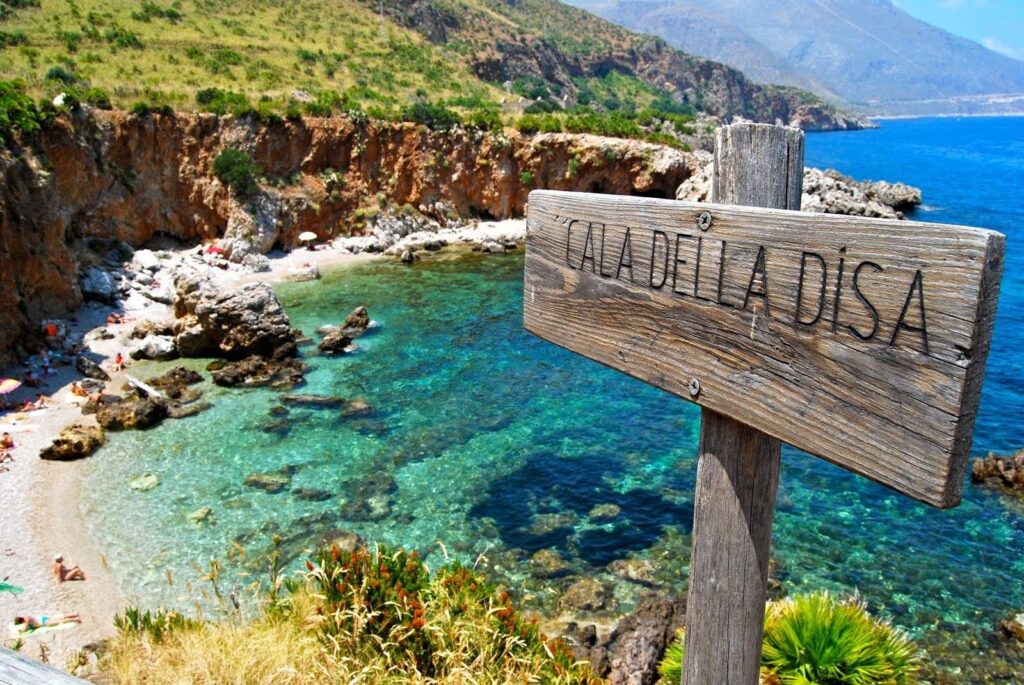
Zingaro Natural Reserve
Explore western Sicily’s rugged coast between Scopello and San Vito Lo Capo on foot. Paths lead from the entrances to coves and viewpoints; no road crosses the reserve. Check official access before travelling, start early in hot weather and carry water, without assuming shade or services at every cove.
Best for: coastal walking, rugged coves and clear water.
Read guide: Zingaro Natural Reserve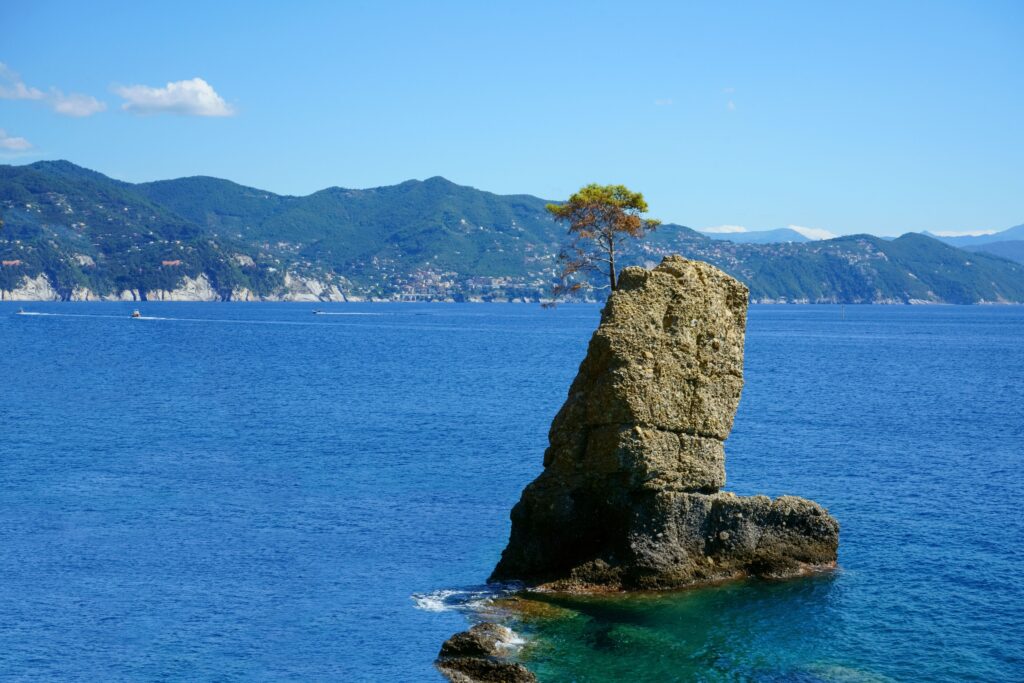
Portofino Regional Park
Combine coastal hiking with trains, buses and boats. Camogli suits hiking access, while Santa Margherita Ligure offers practical all-round connections and restaurants. San Fruttuoso can be reached by boat or on foot when conditions allow. Check the route and boat services before committing to a one-way hike.
Best for: coastal hiking, boat trips and car-free exploration.
Read guide: Portofino Regional Park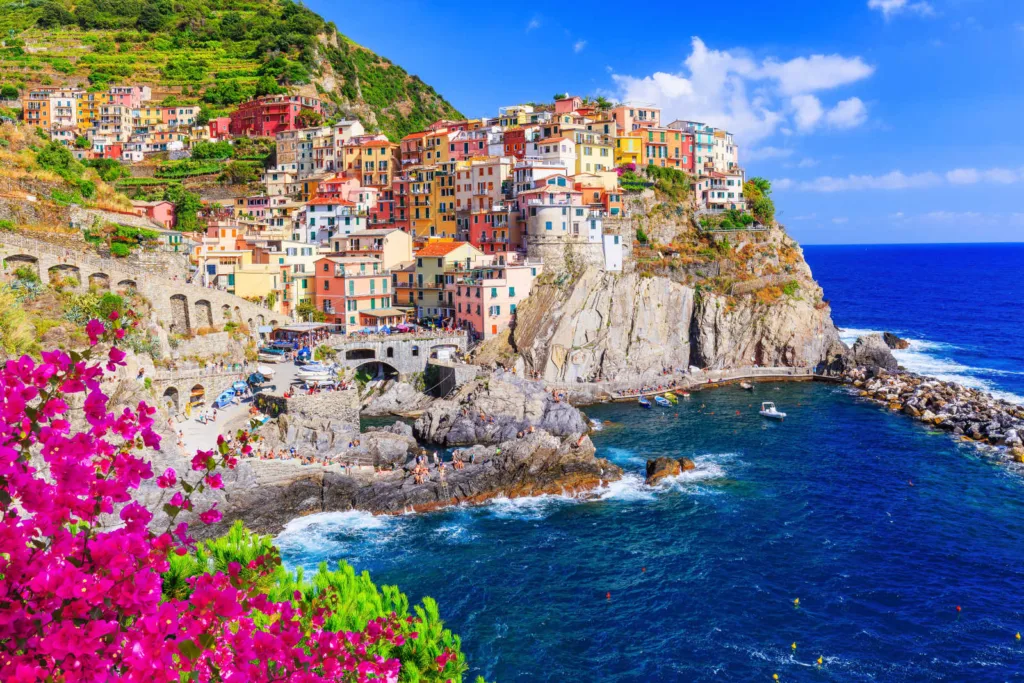
Cinque Terre National Park
Explore five villages, terraced vineyards and steep coastal landscapes using the railway as a practical backbone. Add a suitable walking section rather than rushing every village connection. Storms, landslides and maintenance can change access; check the park’s current trail information and use trains or available boats for alternatives.
Best for: village scenery, coastal walks and rail-based travel.
Read guide: Cinque Terre National Park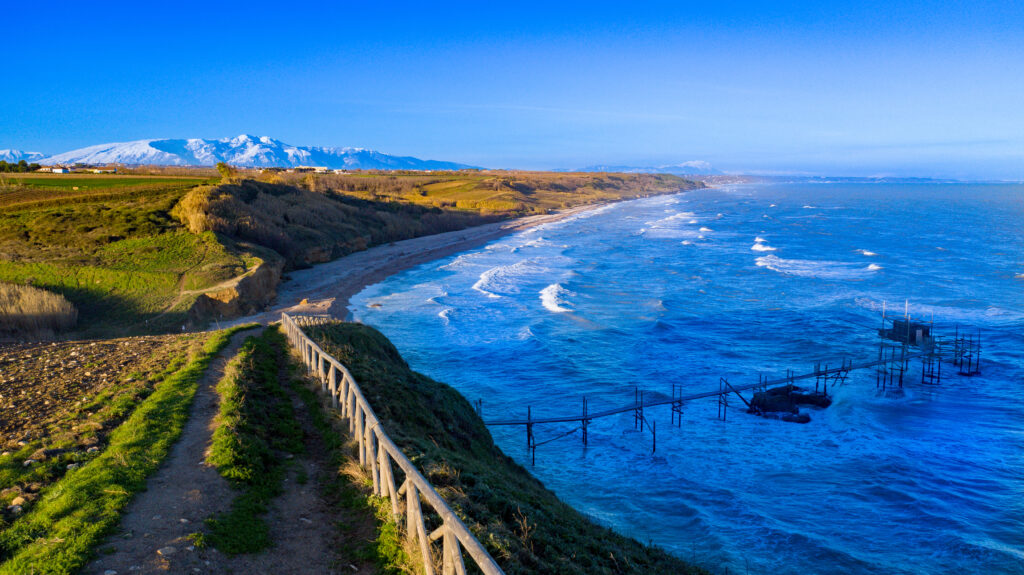
Punta Aderci Nature Reserve
Discover dunes, headlands, viewpoints and sandy or pebble beaches on Abruzzo’s wilder coast. Vasto is a useful base, with opportunities to combine the reserve with Via Verde cycling or walking. Coastal access and route diversions can change after landslides or maintenance, so follow current local signs.
Best for: wild coastal scenery, beach walks and Via Verde outings.
Read guide: Punta Aderci Nature Reserve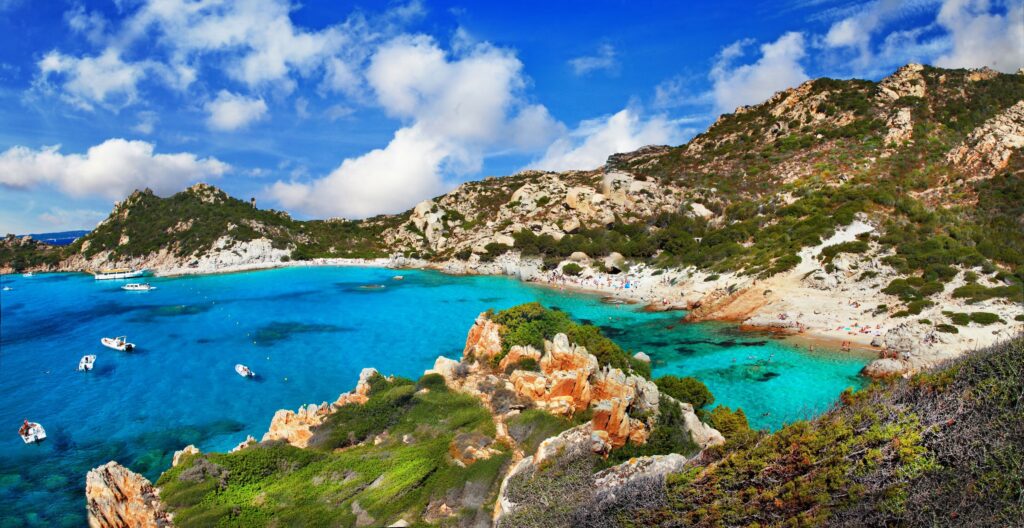
La Maddalena Archipelago
Reach La Maddalena by ferry from Palau for an island town, clear water and access to Caprera. Roads connect the main islands, while boat trips reach more remote parts of the protected archipelago. Choose swimming, snorkelling, scenic drives or relaxed island walks according to your planned base.
Best for: clear water, boat days and relaxed island walking.
Read guide: La Maddalena ArchipelagoCheck Cinque Terre’s official trail information and Zingaro’s official visitor notices before planning a walk. Choose alternatives when weather, maintenance or local access rules affect the route.
Cycling & Active Days
Cycling does not need to mean crossing the country on a demanding route. Several destinations support short rides, e-bikes and mixed holidays with beaches or sightseeing.
Finale Ligure
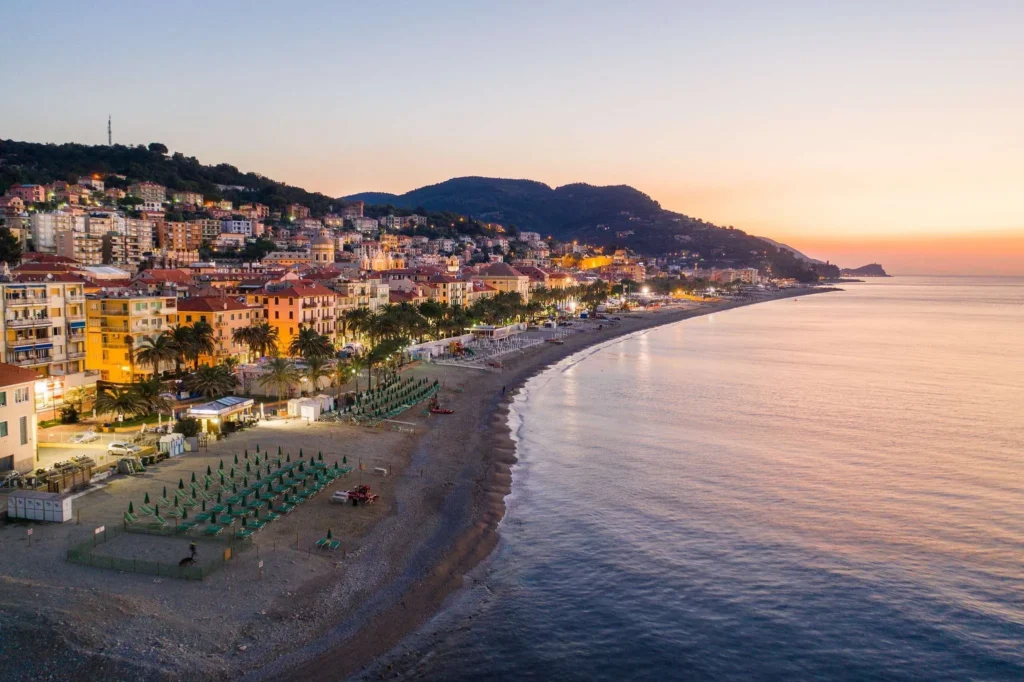
Choose a Ligurian base associated with mountain biking and climbing, with beach time and evenings in Finalborgo alongside active mornings. Routes cover different difficulty levels; technical trails require appropriate experience. This is a mixed outdoor holiday where the activity should match your skills, rather than an automatic easy option.
Best for: mountain biking, climbing and beach-and-activity holidays.
Read guide: Finale Ligure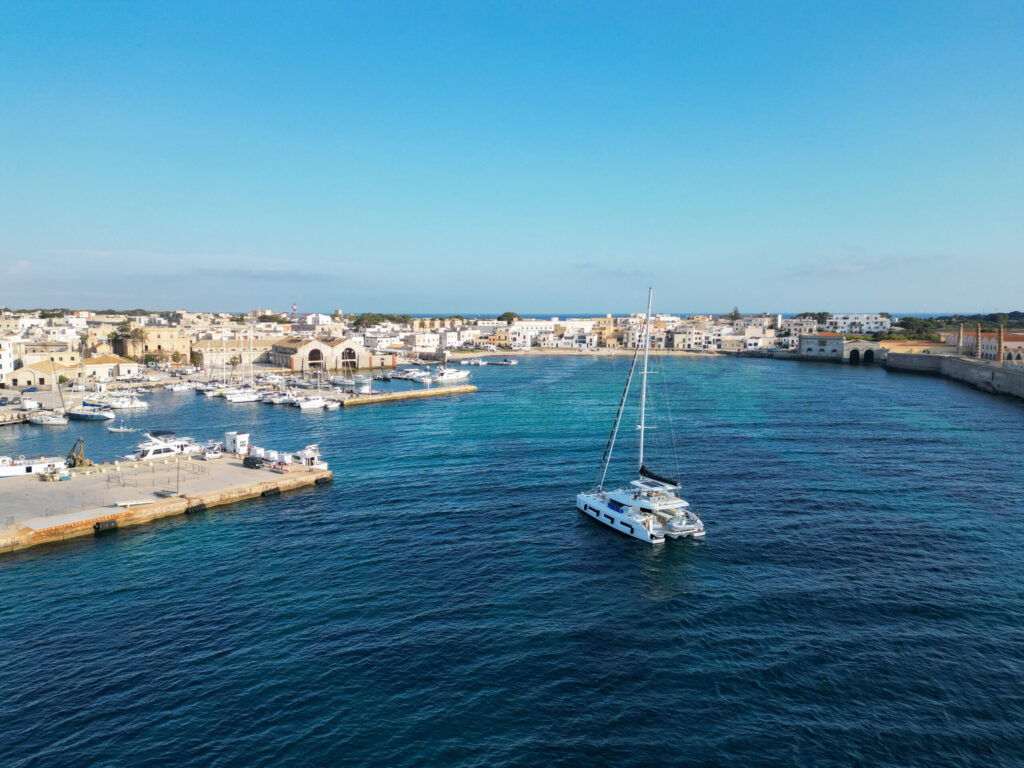
Favignana
Use a bicycle or e-bike to explore a compact island, linking the port with beaches and coves. Favignana suits a ferry-based stay with active days near the water. Summer roads and popular beach entrances can be busy: collect bikes early and avoid riding during the hottest part of the day.
Best for: short island rides, beach stops and ferry-based stays.
Read guide: FavignanaMore Ways to Ride
Vasto is a useful base for cycling sections of the Via Verde della Costa dei Trabocchi.
The route combines sea views, old railway infrastructure, coastal towns and traditional trabocchi. Check current route conditions because some sections may use temporary diversions or ordinary roads.
Limone sul Garda is known for the suspended section of the Ciclopista del Garda. The path is shared by cyclists and pedestrians, so it is better for views than high-speed riding.
Other parts of Lake Garda offer flatter lakeside routes, challenging mountain climbs and organised cycling experiences.
Diano Marina provides access to the western Ligurian cycling corridor created along sections of the former coastal railway. It suits families and leisure cyclists who prefer a gentler ride near seaside towns.
Best Time for Outdoor Activities
Spring
Spring is one of the best seasons for central and southern Italy. Temperatures are usually more comfortable for walking in Sicily, Sardinia, Puglia, Lazio, Tuscany and Abruzzo.
Higher mountain trails may still have snow. Do not assume the Dolomites or high Apennines are ready for summer hiking in spring.
Best spring choices include:
- Zingaro
- Portofino
- Cinque Terre
- Gargano
- Circeo
- Punta Aderci
- Lower-elevation walks in Abruzzo
Summer
Summer usually offers the widest choice of high mountain activities, alpine lifts and seasonal island services.
The Dolomites, Stelvio and high Abruzzo routes often offer more outdoor options, subject to snow, weather and official access. Lakes and islands are also fully active, but popular destinations become busier and more expensive.
Avoid exposed coastal walks and volcano visits in the hottest part of the day. Start early and carry more water than you expect to need.
Autumn
Early autumn is excellent for hiking, cycling and lake trips. Sea temperatures can remain pleasant while summer crowds begin to fall.
Later in the season, forests in Abruzzo, Majella, Val Camonica and the Dolomites can produce strong autumn colour. Daylight becomes shorter, and mountain weather grows less predictable.
Winter
Winter is best for skiing, snowshoeing, spa stays and lower-elevation walking.
The Dolomites, Stelvio area and Passo del Tonale become winter sports destinations. Coastal parks in southern Italy can still work for quiet walks, but ferry services and tourism facilities may be reduced.
Mountain passes and high trails may close completely. Check road, lift and avalanche information before travelling.
Choose Your Travel Style
Families
Match a family trip to these activities and settings:
- Lake Garda for variety and practical towns
- Val Camonica for easy nature, rock art and spa time
- Migliarino San Rossore for flat walking and cycling
- Circeo for beaches, dunes and wetlands
- Lago di Scanno for a manageable lake day
- Barrea for viewpoints and gentle national park exploration
Choose one main activity per half-day. Avoid turning a family nature trip into a rushed checklist.
Couples
Strong choices for couples include:
- Lake Como for ferries and scenic stays
- Portofino Regional Park for coastal walks and boat trips
- Lago di Scanno for a quiet overnight
- Salina in the Aeolian Islands for slow island travel
- Mount Etna for a guided nature and wine experience
- La Maddalena for clear water and boat days
Without a Car
The easiest nature destinations without a car include:
- Lake Como, using trains and ferries
- Cinque Terre, using the coastal railway
- Portofino Regional Park, using trains, buses and boats
- Lake Garda towns around the main rail and ferry connections
- Favignana, using ferries and bicycles
- Mount Vesuvius with organised transport
Remote national parks are usually easier with a car. Without one, choose a single practical base and limit the number of daily transfers.
Experienced Hikers
Experienced hikers should consider:
- Dolomite high routes
- Majella summit and hermitage routes
- Gran Sasso mountain trails
- Alta Via dei Monti Liguri
- Supramonte and Gorropu in Sardinia
- Longer routes through Portofino Regional Park
Experience does not remove the need to check current conditions. Snow, heat, storms, landslides and official closures can change the character of a route.
Nature-Focused Itinerary Ideas
Northern Italy: Lakes and Dolomites
One week · Two bases
A balanced northern itinerary can combine:
- Two or three nights on Lake Garda
- Three or four nights in the Veneto Dolomites
- One flexible travel or weather day
Lake Garda provides an easier start with towns, ferries and cycling. The Dolomites then add higher mountains and longer hikes.
Choose only two bases if the trip lasts one week.
Central Italy: Abruzzo Mountains and Parks
Seven days · A car is most practical
A seven-day Abruzzo nature itinerary can include:
- Two nights around Gran Sasso or Santo Stefano di Sessanio
- Two nights near Majella
- Two or three nights around Barrea or Pescasseroli
This route combines plateaus, gorges, forests, lake scenery and mountain villages. A car is the most practical option.
Sicily: Volcanoes and Coastal Nature
One week · Choose one combination
A nature-focused Sicily trip can combine:
- Mount Etna and the eastern coast
- The Aeolian Islands
- Zingaro and north-west Sicily
These areas should not be squeezed into a short trip. With one week, choose Etna and the Aeolian Islands or Palermo and Zingaro. Add both sides only if you have more time and accept longer transfers.
Sardinia: Islands, Coves and Inland Mountains
Ten days is more comfortable than one week
A Sardinia outdoor itinerary can combine:
- La Maddalena or Asinara for island nature
- Cala Gonone for boat trips and coastal walks
- Oliena for Supramonte and inland scenery
Ten days is more comfortable than one week. Driving distances and boat schedules make slow planning important.
Guided Outdoor Experiences
Compare outdoor excursions in the Dolomites and on Mount Etna. Confirm the route, access arrangements and conditions before choosing an activity.
Dolomites Excursions
Etna Excursions
Disclosure: This page may contain affiliate links. This means that we get a small commission from any purchase you make, at no additional cost to you!
Where to Stay for an Outdoor Holiday
Choose a base for the activities you actually plan, then check public transport, parking for road trips and the port location for island stays. A practical base and fewer transfers leave more time outdoors.
Mountain and Park Bases
Cortina, Misurina, Arabba, Alleghe or Val di Zoldo serve different Dolomite plans. Bormio and the Valtellina suit Stelvio. In Abruzzo, compare the Gran Sasso area, Majella bases, Pescasseroli and the Barrea villages. Remote parks and mountain valleys are usually easier with a car.
Lakes and Coastal Rail Bases
Choose Lake Garda towns around your activities and rail or ferry connections. Como and Lecco have stronger transport links; Menaggio, Bellagio and Varenna suit different central-lake stays. Camogli supports Portofino hiking, while Santa Margherita Ligure offers trains, boats and buses.
Volcanic Sicily
Catania, Taormina and Etna’s lower-slope towns can support an Etna visit. For an island stay, Lipari has services and connections, while Salina suits a slower pace. With one week, choose Etna and the Aeolian Islands or Palermo and Zingaro, allowing for boat and weather changes.
Island and Coastal Bases
For Asinara, plan from Stintino or Porto Torres; La Maddalena is reached from Palau. Cala Gonone supports Gulf of Orosei boat trips and walks, while Oliena is an inland Supramonte base. Vasto supports Punta Aderci and Via Verde outings; Favignana combines the port with bicycle access.
Practical Tips for Italy’s Outdoors
Prepare for the Terrain
- Download offline maps before entering remote mountain or island areas.
- Carry water, sun protection and a light layer.
- Wear shoes suitable for the actual terrain.
- Use qualified guides for volcanoes, technical hikes, caves, climbing and unfamiliar canyon routes.
Plan for Weather and Flexibility
- Start early during hot weather.
- Avoid exposed routes when storms are forecast.
- Leave one flexible day in mountain and island itineraries.
Check Access and Respect Nature
- Check official trail, park and weather information before every demanding activity.
- Never rely only on an old blog post or saved social media video for access details.
- Respect marked paths, protected dunes and swimming restrictions.
- Do not approach or feed wildlife.
- Confirm ferry, cable car and park transport schedules close to departure.
Common Mistakes to Avoid
The biggest mistake is choosing a famous landscape without checking whether it matches your fitness and travel style.
A cable car viewpoint and a five-hour exposed hike are not the same experience. A wild beach may have no shade, toilets or food. A national park can cover a huge area with limited public transport.
Other common mistakes include:
- Planning too many regions in one trip
- Changing accommodation every night
- Starting summer hikes too late
- Assuming every trail is open
- Expecting guaranteed wildlife sightings
- Visiting islands with no flexible ferry plan
- Wearing city shoes on rocky paths
- Ignoring altitude and fast weather changes
- Treating protected areas like ordinary beaches or parks
Choose fewer places and allow more time in each one. This usually creates a safer and more rewarding outdoor trip.
FAQs About Nature and Outdoor Travel
Which part of Italy has the best nature?
The Dolomites are best for dramatic mountain scenery. Abruzzo is strongest for national parks and Apennine landscapes. Sardinia is ideal for rugged coasts and clear water, while Sicily stands out for volcanoes and coastal reserves.
What is the best national park in Italy for a first visit?
Abruzzo, Lazio and Molise National Park is an excellent first choice for forests, villages and wildlife habitats. Gargano is better if you want beaches and forest in the same trip. Stelvio and Gran Sasso suit travellers who prefer high mountain scenery.
Where is the best hiking in Italy?
The Dolomites offer the widest choice of famous mountain hikes. Other strong areas include Gran Sasso, Majella, Portofino, Cinque Terre, Supramonte and the Alta Via dei Monti Liguri.
Can you explore Italy’s nature without a car?
Yes, especially around Lake Como, Cinque Terre, Portofino, parts of Lake Garda and islands such as Favignana. Remote national parks and mountain valleys are usually much easier with a car.
What are the best nature destinations in Italy for families?
Lake Garda, Val Camonica, Circeo, Migliarino San Rossore, Lago di Scanno and the Barrea area are good choices. They offer easier walks and activities that do not require serious hiking.
When is the best time for hiking in Italy?
Spring and autumn are best for lower-elevation and coastal hiking. Summer is usually best for high Alpine routes. Conditions vary by altitude, so check snow, weather and trail information before every mountain trip.
Can you visit Italy’s volcanoes independently?
Accessible areas of Mount Etna and Mount Vesuvius can be visited independently when official access permits it. Guided excursions are safer and more useful for higher, restricted or changing volcanic terrain. Stromboli access is controlled according to current volcanic conditions.
Which Italian lakes are best for an outdoor holiday?
Lake Garda offers the widest range of activities. Lake Como is best for ferries, villages and scenic walks. Lago di Scanno and Lago di Barrea suit quieter trips with easier nature and mountain scenery.
How many days are needed for a nature-focused trip in Italy?
One week is enough for one lake and mountain combination or one national park region. Ten to fourteen days allow two or three bases without rushing. Avoid trying to combine northern mountains, central parks and southern islands in one short trip.
Plan Your Italy Outdoor Holiday
Choose the landscape and season that suit your interests, use a practical base and leave space for weather changes. Start with one connected region, compare the outdoor guides and plan a holiday that lets the landscape set the pace.
Explore more things to do in Italy