
Lombardy, Italy
Explore Milan’s art and design, Lake Como’s villa gardens, Lake Garda’s waterfront towns and Valtellina’s Alpine valleys. Plan your Lombardy holiday around one or two well-chosen bases, with time for local food and the scenery between outings.
Quick planning answer
How long to stay: Consider 3 days for Milan and one nearby excursion; 7 days for a city and one selected lake area; or around 10 days to add a mountain stay or another area. These are suggested holiday lengths, with arrival and transfer time included in your own plan.
Who it suits: Art and food lovers, couples, families and outdoor travellers can all find a suitable area. Match steps, walking distances, seasonal services and activities to your group.
Cities, lakes or mountains: Choose cities for museums and rail outings, a lake base for waterfront days and gardens, or an Alpine base for hiking, skiing and valley scenery. They support different holidays.
Without a car: City stays and selected lake towns work well by rail, with local buses or boats for onward travel. Remote trailheads, wineries and Alpine resorts need more detailed connections or arranged transfers.
One base or two: Keep a short break in one place. For a longer holiday, pair a city with one lake, or a lake with one valley. Lombardy is too varied and extensive to explore comfortably from a single universal base.
Explore this guide
Choose your area
Cities and culture
Milan, Bergamo, Brescia and Mantua offer museums, historic centres and food-focused city breaks. Add Cremona, Pavia, Monza or Varese when they fit your route. Rail links help between cities, but station-to-centre access and individual connections vary.
Lakes and vineyards
Como, Iseo and Franciacorta suit lakeside stays, gardens and wine visits; Garda’s Lombardy shore and the Lombardy bank of Maggiore offer other distinct bases. Choose one lake area with practical connections to the places you want to visit.
Alps and valleys
Valtellina, Bormio, Livigno and Val Camonica suit mountain holidays, thermal baths and outdoor days. Stelvio, Adamello and the Orobie have different access points. Allow a dedicated stay; use the mountain and transport advice below to plan access.
Places to visit in Lombardy
Start with these nine destinations, then use the smaller guides for individual towns and themed trips.

Milan
Explore the Duomo, Brera and the Navigli, with galleries, design and neighbourhood cafés between major sights. Choose it for a city break and selected rail outings.
Bergamo
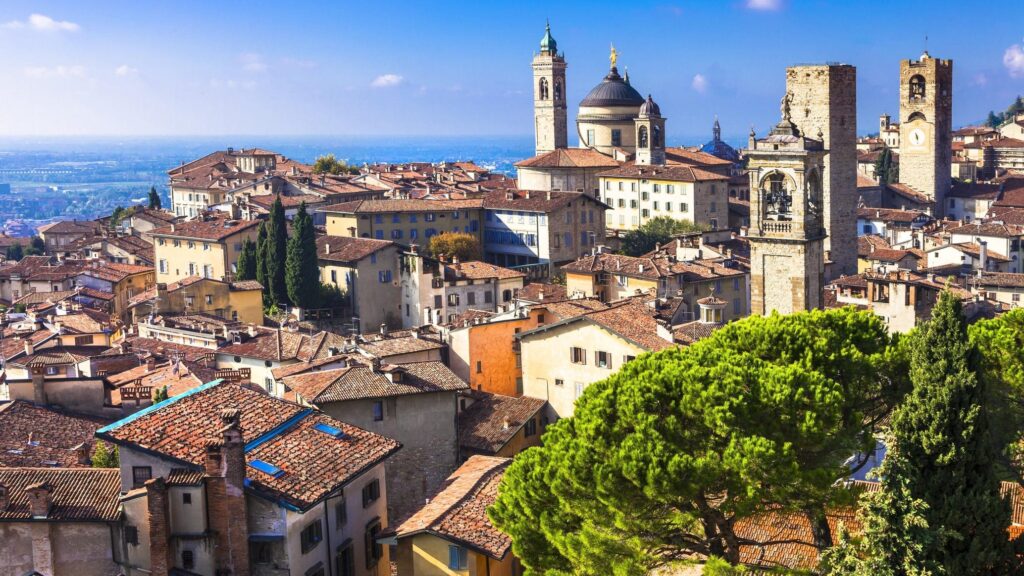
Explore the hilltop Città Alta, Venetian walls and the lower town. Allow for slopes and the onward bus or funicular connection from the station.
Brescia
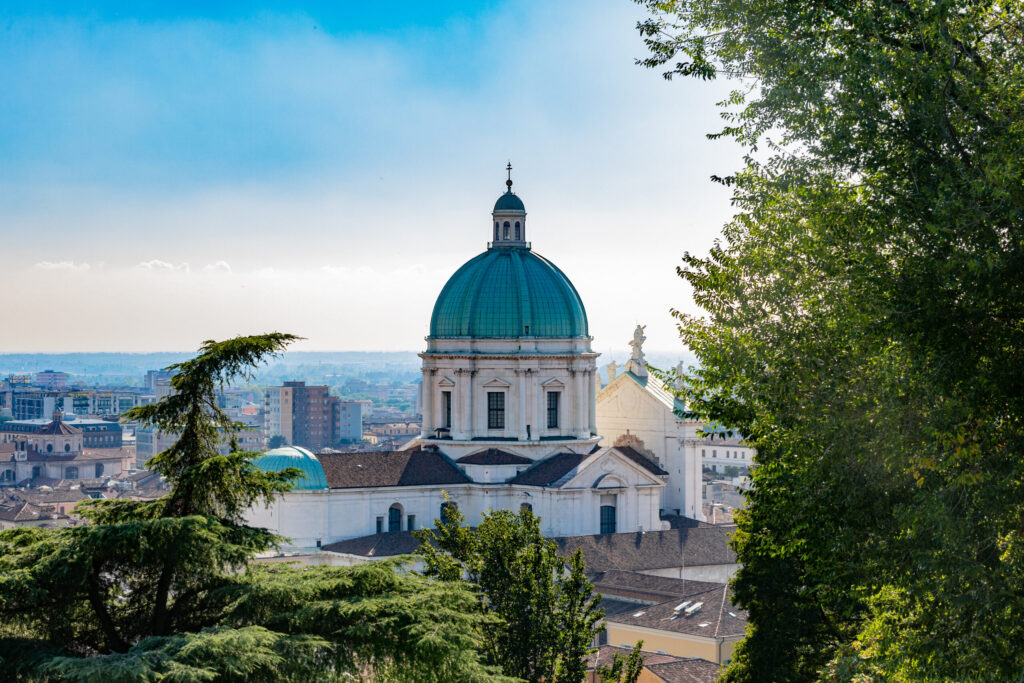
Roman remains, Santa Giulia and lively squares reward a culture-focused stay. Add Iseo or Franciacorta as a planned outing with its own transport.
Mantua
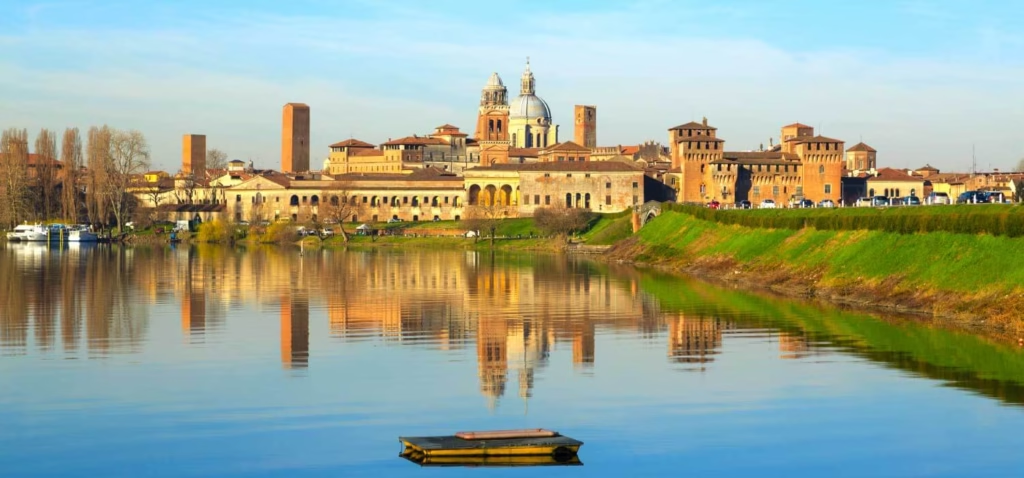
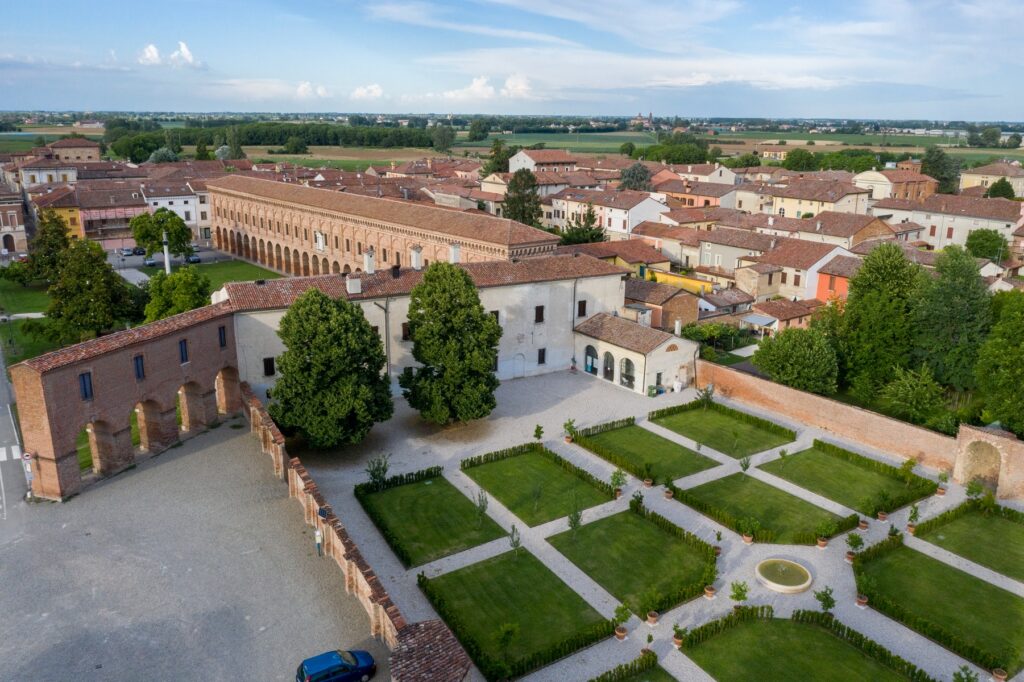
Gonzaga palaces, frescoed rooms and lakes formed by the Mincio make Mantua a rewarding art-city stay. Plan Sabbioneta separately if Renaissance towns are your priority.
Lake Como
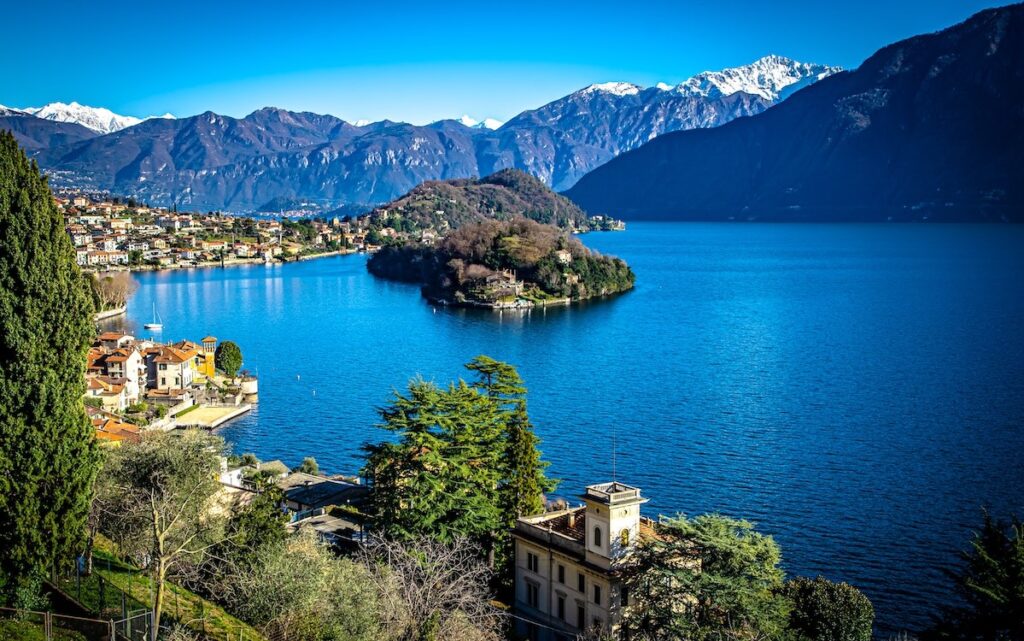
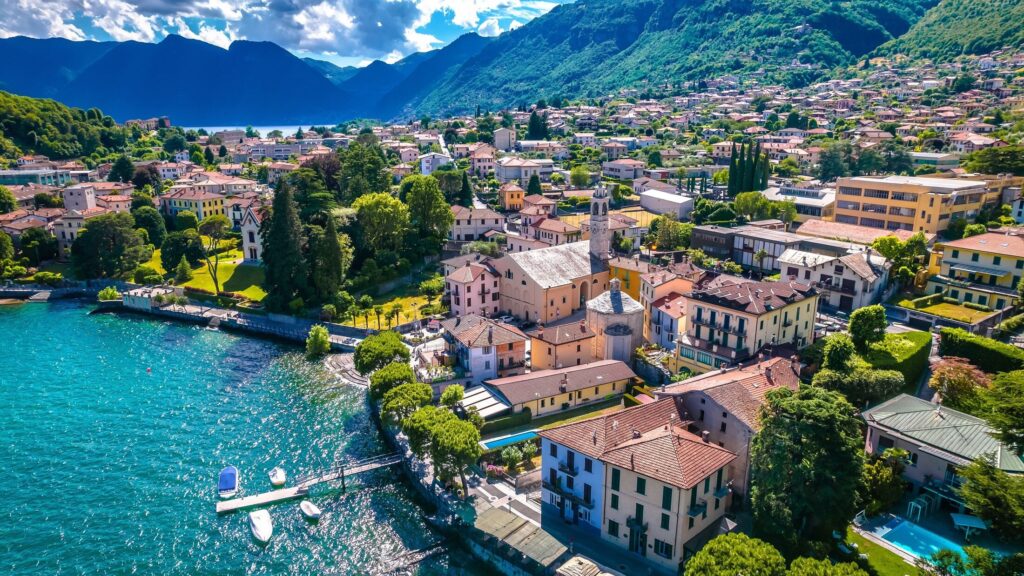
Choose a stretch of shore for villas, gardens and time by the water. Rail reaches some towns; boats and buses need to fit your actual dates and return journey.

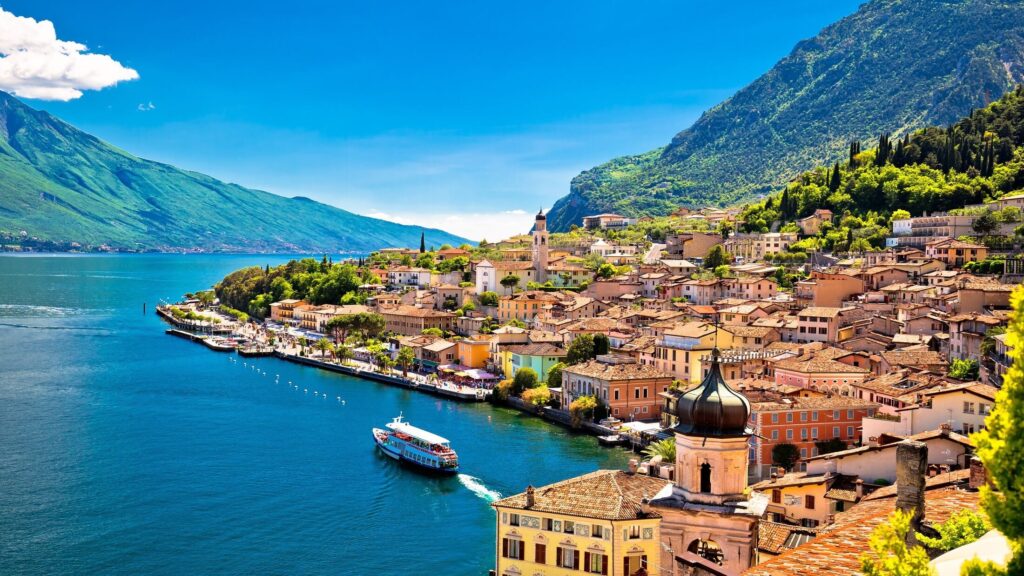
Lake Garda — Lombardy side
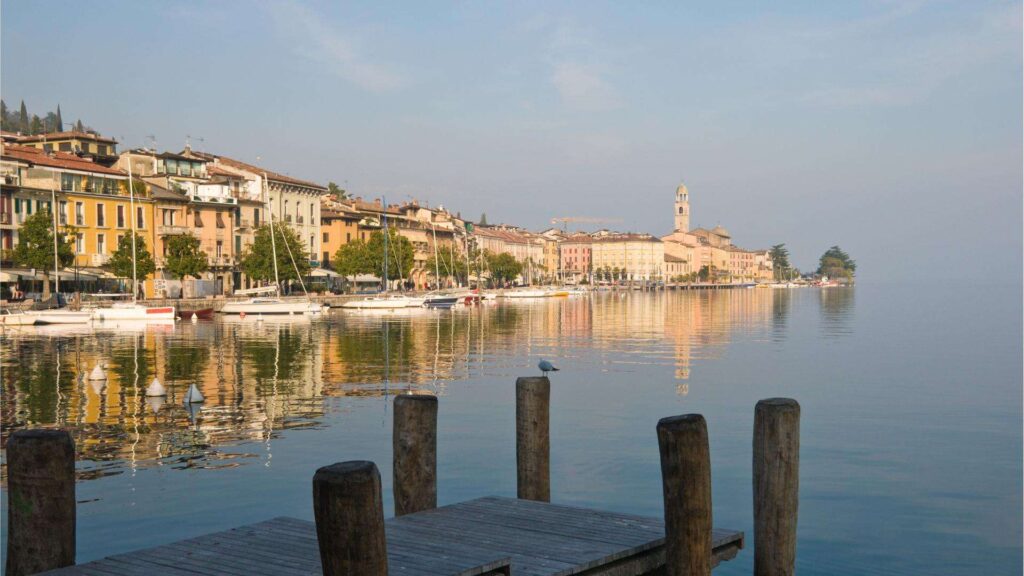
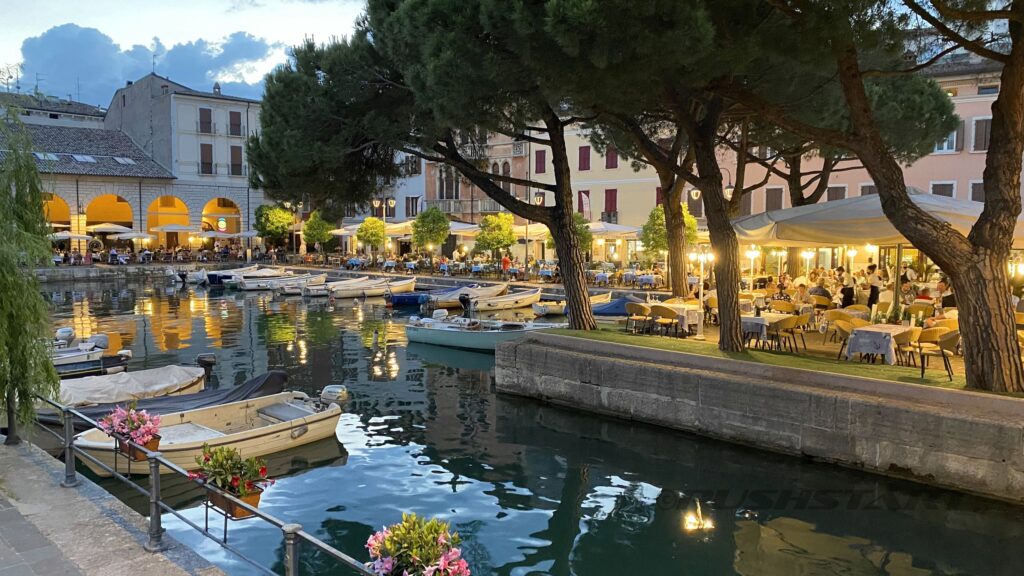
Focus on Sirmione, Desenzano, Salò, Gardone Riviera and Limone on the southern and western shores. Compare road and boat access before linking several towns.
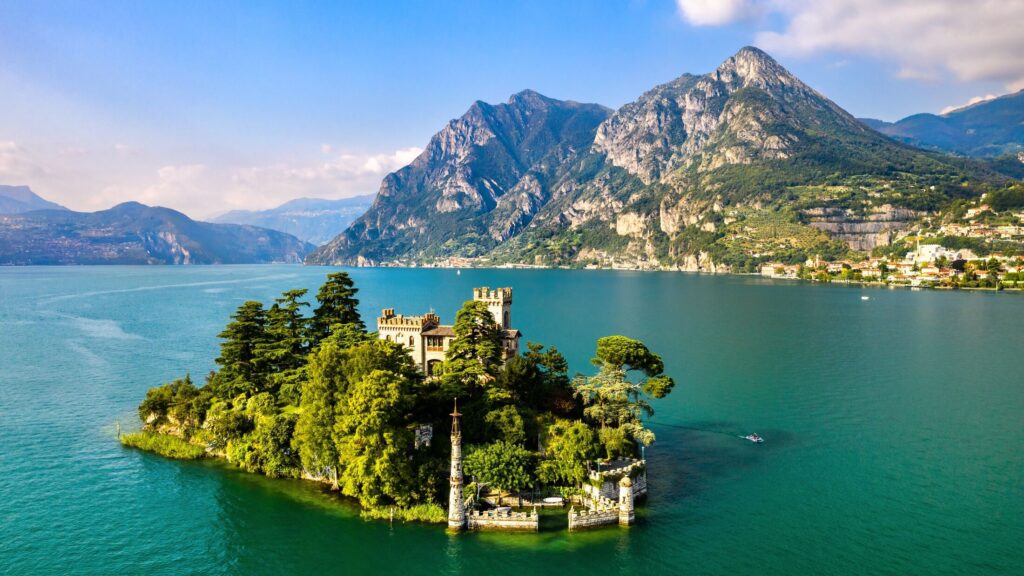
Lake Iseo
Plan time for Iseo’s waterfront, Monte Isola and nearby Franciacorta vineyards. Check the ferry landing and onward route instead of assuming an island visit is entirely flat.
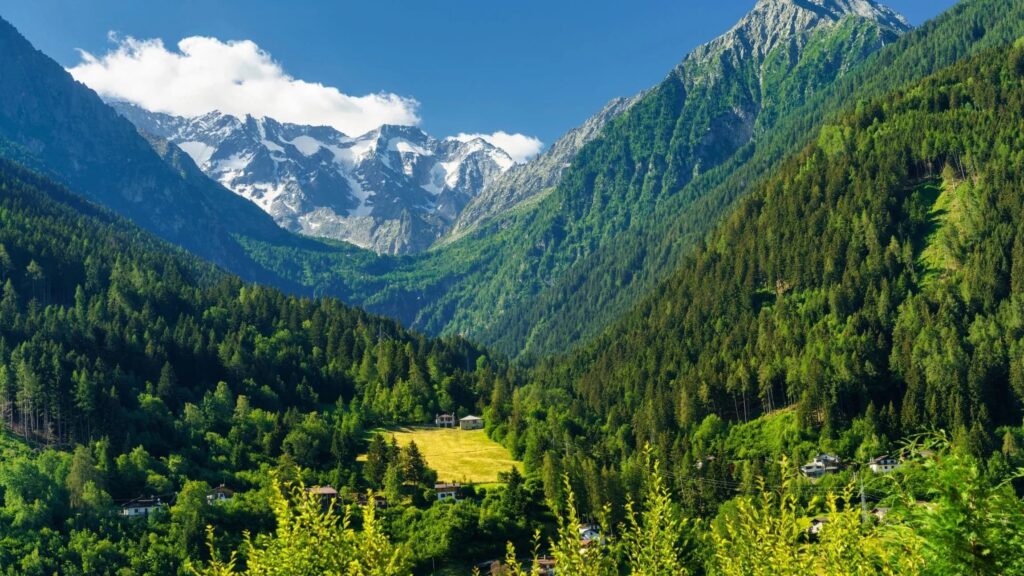
Val Camonica
Combine rock-art parks with valley towns and scenery towards the Adamello mountains. Choose a particular park and base; this long valley needs more planning than a single viewpoint stop.
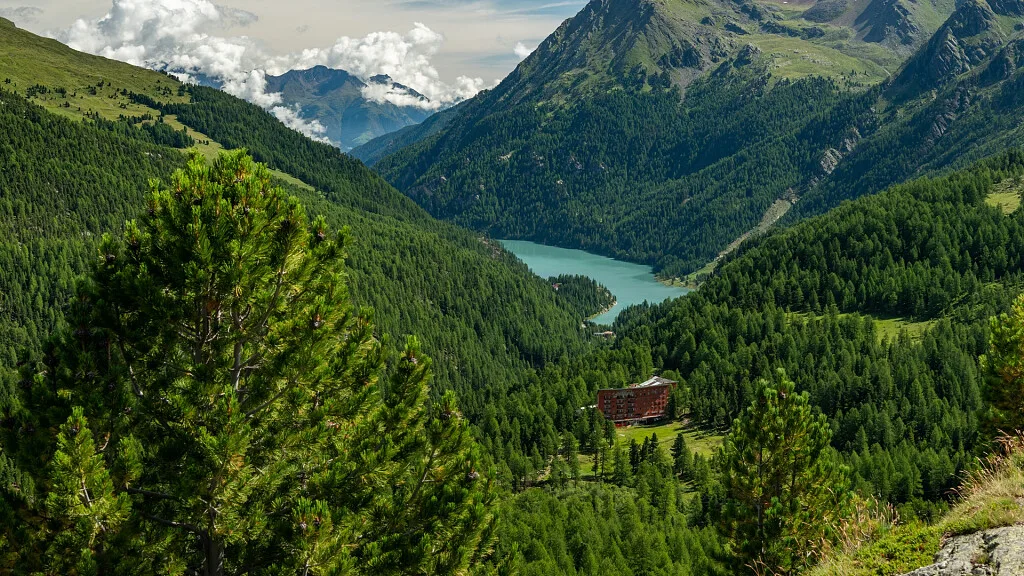
Stelvio National Park — Lombardy area
Explore the park’s Lombardy valleys around Bormio and Valfurva, choosing routes for the season and your experience. Mountain stays work better than a rushed outing from Milan.
Where to stay in Lombardy
Choose accommodation near your main interests. One or two well-chosen bases usually work better than repeated cross-region day trips.
Some links below and activity offers are affiliate links. We may earn a commission from qualifying bookings, at no extra cost to you.
Milan
For culture, restaurants and selected rail day trips. A central or metro-connected address supports city sightseeing; choose station access for your particular outings. Check street noise, air-conditioning and the complete airport journey.
Lake Como: Como, Varenna or Bellagio
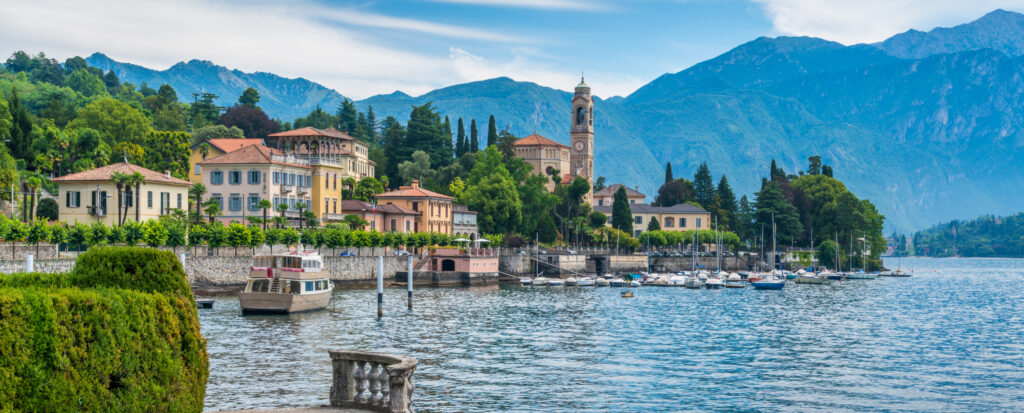
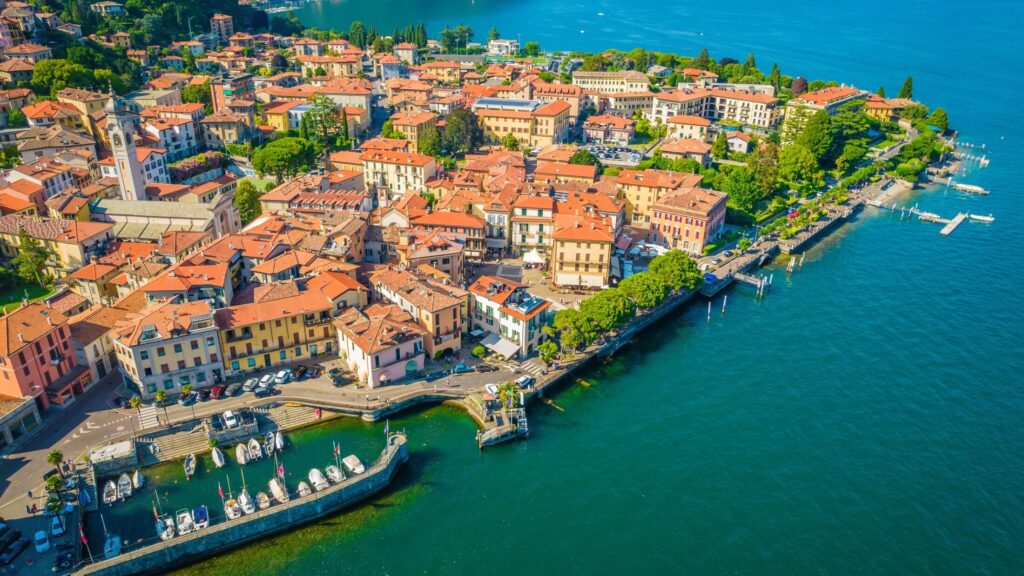
Como offers a larger city with rail access. Varenna has a railway station and a smaller village setting, with slopes between some addresses and the lake. Bellagio suits a central-lake holiday reached by road or boat; it has no railway station. Check steps, pier distance and seasonal last returns.
Lake Garda: Desenzano or Sirmione
Desenzano has a station and suits a mix of town life and onward lake outings. Sirmione suits a peninsula and spa stay; reach it by bus, taxi or an operating boat service from elsewhere. Check the station-to-hotel route, peninsula access, parking and your exact beach.
Bergamo
For a compact city break, art and the Upper Town. The lower town suits station access; Città Alta puts historic streets closer but adds slopes and onward transport. Check luggage access, evening connections and the actual airport transfer.
Brescia, Iseo and Franciacorta access
For Roman and Lombard heritage with selected lake or wine outings. Brescia offers city rail connections and the separate line towards Iseo; individual wineries may need a taxi, driver or car. Check the full route and arrange tasting transfers before booking.
Mantua
For Renaissance art, slower evenings and a focused southern-Lombardy stay. Choose a comfortable route from the station to the historic centre. Check palace reservations and the separate transport needed for Sabbioneta, plus parking access if driving.
Alpine bases: Bormio or Livigno
Bormio pairs a historic town and thermal baths with Valfurva and mountain outings. Livigno supports a separate high-valley stay for outdoor activities and winter sports. Neither has a railway station; compare onward buses or transfers from Tirano and other arrival routes. Check lift access, equipment storage and seasonal road conditions.
Compare cancellation terms, the complete price, room arrangements, lift or step-free access and parking. Check the actual walking route with luggage, rather than relying on a property’s distance description.
Search accommodation in Lombardy
Use the search below to compare your chosen destination and travel dates, then confirm the property’s location and access.
Things to do in Lombardy
Build your days around one main interest near your base, with time for a meal and an unhurried local stop. Use the sections below for culture, lakes, outdoor activities, food and wellness.
City culture and UNESCO highlights
Milan’s Duomo, Galleria Vittorio Emanuele II and Brera suit a first city visit; the Navigli add canals and aperitivo, while Porta Nuova, Fondazione Prada and Pirelli HangarBicocca offer contemporary contrasts. Bergamo’s Upper Town and Brescia’s Roman remains and museums reward their own time.
Cremona, Pavia, Monza and Varese
Cremona’s violin-making workshops and cathedral square suit a music-focused outing. Pavia combines a university town, riverside streets and a separate visit to the Certosa. Monza offers its cathedral, royal villa and park; check event access around the racing circuit. Varese pairs gardens with the chapel route at Sacro Monte. Choose an outing near your base.
Choose UNESCO visits along your route
UNESCO inscriptions can cover a single property or a series of component sites spread across regions and countries. The whole city, valley or surrounding landscape is not automatically part of an inscription.
Milan: the Church and Dominican Convent of Santa Maria delle Grazie with The Last Supper is the inscribed property. Advance reservation for the museum is compulsory; use the official Cenacolo visitor instructions for booking and arrival requirements. You can also compare commercial Last Supper tours on GetYourGuide; these affiliate offers are separate from the museum’s official booking process.
Mantua and Sabbioneta: these two towns form one serial World Heritage property, with contrasting Renaissance urban plans. Allow a separate visit to Sabbioneta. Crespi d’Adda is an inscribed industrial village beside the Adda, suitable for a focused heritage outing.
Bergamo and Brescia: Bergamo’s fortified city is a component of the Venetian Works of Defence property. Brescia’s San Salvatore–Santa Giulia complex and Castelseprio–Torba are Lombardy components of Longobards in Italy. Places of the Power; check the individual visitor sites and museums.
Valley, lake and border sites: Rock Drawings in Valcamonica span several rock-art parks. Varese and Ossuccio are components of Sacri Monti of Piedmont and Lombardy. Monte San Giorgio is a transboundary fossil property shared with Switzerland, while Prehistoric Pile Dwellings around the Alps includes Lombardy components; remains may be submerged or interpreted through museums rather than visible buildings. For visitor opinions, read a traveller review of the rock-art park at Capo di Ponte on Tripadvisor. This affiliate link is a review page, not an admission reservation.
The Rhaetian Railway in the Albula / Bernina Landscapes is a transboundary property reaching Tirano. A Bernina journey north from Tirano crosses into Switzerland; plan documents, tickets and the return separately.
Choose a small number of heritage visits that fit your bases, leaving time to explore each place rather than collecting sites across the region in a short loop.
Lakes, villas and gardens
Choose one lake area for a slower holiday. Mountain-backed shores, villas, gardens and promenades have different access needs; a boat journey can be part of the day, but services vary by season, landing and weather.
Lake Como: one villa and a manageable shore
Como offers a cathedral and the Brunate funicular; Varenna, Bellagio and Menaggio provide different central-lake bases. Tremezzo and Lenno suit villa and garden visits. Pick one main visit and perhaps a nearby town, checking garden opening, reservation rules and the last connection. Brunate paths and walks to Vezio involve climbing; they are not universally easy alternatives.
Garda’s Lombardy destinations
Sirmione combines its castle, Roman archaeological remains and thermal waters. Desenzano adds a station and waterfront; Salò has a broad gulf, Gardone Riviera brings the Vittoriale and gardens, and Limone has lemon-growing heritage beneath steeper slopes. Match outings to your base and current boats or buses. Bardolino and the eastern shore are in Veneto; Riva del Garda is in Trentino. Treat them as excursions into neighbouring regions.
Iseo, Franciacorta and the Lombardy shore of Maggiore
Iseo and the boats to Monte Isola pair with a planned Franciacorta cellar visit. Island lanes and climbs vary, and a full lakeside cycling circuit includes road sections rather than one continuous flat family path. Check a specific walking or riding route.
On Maggiore, consider the Lombardy shore around Angera, Laveno and Luino. The Borromean islands and Stresa are on the Piedmont side; the northern lake reaches Switzerland. Cross-lake visits require the correct departure point, timetable and, for Switzerland, suitable travel documents.
For swimming, choose a designated bathing area and follow local notices; a lakefront promenade does not guarantee suitable water access. Kayaking, SUP, windsurfing and sailing depend on wind, water conditions and experience. Use a suitable operator and keep clear of navigation routes.
Mountains and outdoor activities
Valtellina’s vineyard terraces lead towards Alpine towns and side valleys. Valchiavenna and Valmalenco offer different village, lake and hiking holidays; Val Camonica connects rock art and valley towns with the Adamello mountains. These are distinct routes, with travel time between them.
Walks, protected areas and mountain huts
Near Como, select a segment of the Greenway del Lago di Como or a stage of the Sentiero del Viandante suited to your ability. Both can include steps and uneven ground. Sacro Monte di Varese and Vezio also involve climbing. In Val Camonica, pick a rock-art park or a clearly defined woodland route rather than assuming the entire valley is a single easy walk.
The Lombardy area of Stelvio National Park, Adamello Park and Orobie Bergamasche Park offer very different mountain terrain. For Bormio high lakes, Livigno ridges, Valmalenco circuits or Adamello side valleys, check the exact distance, ascent, exposure and current conditions with the park or local visitor office. A lift does not make the onward trail suitable for everyone.
Confirm each rifugio’s opening and overnight booking requirements directly; opening periods depend on altitude and conditions. Carry suitable shoes, layers, food, water, sun and rain protection, offline mapping and a charged phone. Follow closures and weather or avalanche advice. Via ferrata, scrambling and winter terrain need suitable skills, equipment and, where appropriate, a qualified guide.
Cycling, e-biking and winter sports
The Valtellina valley cycle route, selected riverside paths and Monza Park offer different alternatives to high passes. Franciacorta and Oltrepò Pavese rides can include roads and climbs; check traffic, surfaces and a suitable tasting transfer. Livigno and the Orobie have mountain biking terrain that requires a separate assessment of technical difficulty. Confirm bike storage, rental equipment and charging arrangements.
Bormio and Livigno support skiing and mountain stays; Valdidentro and other valleys offer further winter options. Snow, lift operation and route access are conditional. Check Bormio’s live lift and slope information and your chosen resort’s current notices before committing to an activity.
The Stelvio Pass road is a seasonal route, not a winter shortcut. Check current pass status and local road notices for closures, restrictions and events. Alpine road access can change with weather; choose a route that is open and appropriate for your vehicle.
Plan a Bernina journey from Tirano
Tirano is in Lombardy; the Bernina route continues into Switzerland. Bernina Express panoramic coaches require a valid ticket and mandatory seat reservation. Ordinary regional services are a different product: RhB offers reservations on regional Bernina-line trains and recommends them when demand is high, while travel without one remains possible subject to capacity. Check the exact train, ticket and return connection rather than assuming every red train has the same rules. For a packaged alternative, view the commercial Bernina excursion from Milan on Viator. This affiliate offer is separate from ordinary public rail travel; confirm departure point, inclusions and availability directly with the operator.
Food, wine and wellness
Try risotto alla milanese, cotoletta and ossobuco in Milan; casoncelli around Bergamo and Brescia; and Mantua’s filled pasta and sbrisolona. Valtellina brings pizzoccheri, bresaola and mountain cheeses. Polenta taragna, taleggio and gorgonzola add other regional flavours.
Choose a wine area near your route
Franciacorta near Iseo is known for traditional-method sparkling wine. Lugana spans the southern Garda area across Lombardy and Veneto; Valtellina has terraced vineyards and Nebbiolo-based reds, while Oltrepò Pavese south of Pavia offers Pinot Nero and sparkling wines. These are separate wine areas, so plan one well rather than treating them as interchangeable lake excursions.
Book cellar visits directly, confirming language, accessibility and what is included. Arrange a designated driver or transfer for tastings. Markets, bakery lunches, local trattorie and a cooking class can balance a more structured wine visit; reserve popular restaurants around weekends and events.
Thermal baths and quieter indoor days
Bormio’s baths and Sirmione’s thermal facilities can anchor a wellness stay. Check age restrictions, session reservations, facilities and what hotel packages include. Read the existing QC Terme Bagni Vecchi guide or Lefay Resort & SPA Lago di Garda guide for ideas, then confirm current details with the operator.
Keep museums, palaces, covered markets, a cooking class or a pre-booked spa as rainy-day options. For photographs, try public viewpoints near Bergamo’s walls, Sirmione’s waterfront or Valtellina vineyards in softer light. Respect private property, paths and other visitors.
Local experiences to consider
These offers contain affiliate links. We may earn a commission at no extra cost to you.
Lombardy culture experiences
The selection below includes cultural visits and performances in Lombardy, with offers in Milan and Bergamo at the time of this update. Displayed activities change; check the location, dates and inclusions for the offer you choose.
Guided cycling in Lombardy
The selection below includes guided cycling activities in Milan and around Lombardy, with a Limone sul Garda outing also displayed at the time of this update. Check the activity’s location, route demands, equipment, minimum ages and weather arrangements with the operator.
Suggested itineraries
Use these as planning suggestions. Allow for arrival, departure, luggage and weather, and check your actual connections before booking overnight stays. The routes deliberately focus on selected areas.
3 days: Milan and one manageable excursion
Overnight base: Milan for the trip. Spend two days on the historic centre, Brera and the neighbourhoods or museums you most want to see. On the third day, choose Bergamo or Como city as one excursion, using the current timetable. If you choose Como, keep Brunate or a boat outing optional; do not default to adding Brunate, Bellagio and Varenna to the same relaxed day.
7 days: Milan and one Lake Como base
Overnight bases: Milan, then Como or Varenna. Allow roughly three days for Milan and four for your chosen lake area, including the move. Plan a villa or garden day, one manageable boat outing and a flexible local day. Choose Como for a city setting or Varenna for a smaller central-lake base; assess the hotel route with luggage. A nearby outing is optional, not an obligation to add another lake.
10 days: Milan, eastern Lake Como and Valtellina
Overnight bases: Milan, Varenna, then Tirano. Consider about three days in Milan, three around Varenna and four in Tirano or the surrounding valley, including transfer and departure time. The eastern-shore rail corridor continues towards Tirano, subject to current works and services. Use the valley stay for local culture, a planned vineyard visit or a separately planned Bernina journey into Switzerland. Bormio can replace Tirano for a mountain-focused stay, with onward bus or transfer arrangements; reduce other outings to allow for the extra travel.
Prefer Garda and Iseo? Build a separate eastern-Lombardy version around Brescia and one selected lake base, adding Mantua only with enough time for its transfer and sights. Avoid fitting several lakes, Livigno and Bormio into a route simply because they share a region.
Getting there and around
Compare Milan Malpensa, Linate and Bergamo Orio al Serio with your actual base and arrival time. They have different rail, metro or coach connections; the airport name alone does not establish a convenient transfer. The site’s flight planning page can help with the initial search.
Rail-connected towns and the last connection
Use Trenord for regional routes and live notices, checking other operators for longer-distance services. Milan, Bergamo, Brescia, Mantua, Como, Varenna and Desenzano offer rail access, but station locations and changes vary. Iseo is reached on the Brescia–Iseo–Edolo line. Bellagio, Sirmione, Bormio and Livigno require onward road or boat transport; they are not railway-station bases.
Follow the rules of the specific operator and ticket medium. Consult Trenord’s current ticket instructions for digital, electronic and paper products. Do not assume one validation rule covers every regional ticket or that a regional service uses reserved seats like a high-speed train.
Io Viaggio Ovunque in Lombardia daily passes are offered for 1, 2, 3 or 7 days. Compare the official inclusions and exclusions with your precise journeys; do not assume all lake boats, airport trips, tourist services or Swiss trains are included. For Milan-only travel, compare the current ATM/STIBM zone and ticket options separately.
Ferries, buses and return plans
Check Navigazione Laghi for Como, Garda and Maggiore, and Navigazione Lago d’Iseo for Iseo. Stops, sailing periods, boat types and frequency vary. Check your exact date, landing, any supplement or booking rule and last return. Weather or service changes can make a road or rail backup useful.
Local buses connect some lake towns, valley settlements and resorts, but evening, Sunday and seasonal services differ. Plan the complete journey to trailheads and accommodation, including luggage and the return. Confirm a taxi or hotel transfer when an onward bus does not fit.
Driving, access and accessibility
A car can help with dispersed vineyards and remote valleys. Historic centres may have ZTL restrictions, and Milan has regulated access areas. Confirm the permitted approach and parking with your host, then check current municipal and mountain-road rules. Narrow lake roads and winding passes need appropriate planning.
Confirm step-free station and boat access, assistance, boarding arrangements and the exact route to your room with the operator or property. Hillside villages, cobbles and ferries vary; a lakeside address or a station on the map does not guarantee step-free access.
Practical information
When to visit cities, lakes or mountains
Spring and autumn are useful starting points for city sightseeing and food trips, while summer suits a holiday with lake time and mountain activities if conditions allow. Summer can be hot in the plains and busy on the lakes. Winter supports city culture, spas and planned winter sports, with shorter daylight and reduced visitor services in some lake towns. Check dates and conditions for individual gardens, lifts and mountain activities rather than relying on a regional season label.
What to arrange in advance
Reserve the Last Supper through the official museum process. Check current entry and booking instructions for villas, gardens, palace rooms, spas and concerts before setting a route around them. Panoramic rail reservations, mountain huts, guides and winery tastings also need planning. Keep some flexibility for weather and transport disruption.
Families and personal access needs
Choose short, specific outings with shade, toilets, food and a return option. Promenades, swimming entries and garden paths differ in surface and gradient. Confirm children’s ages, equipment and access rules with each operator, and use the Lombardy with kids guide for further ideas. For a quieter couples’ trip, explore the Lake Como for couples guide.
Budget, packing and considerate travel
Compare the full cost of accommodation, transport and activities for your dates; events and peak periods can change demand. Keep some cash for smaller businesses, and choose luggage you can manage on steps and boats. Pack layers, suitable walking shoes, sun protection, a rain shell, a refillable bottle and a compact daypack. Download maps before entering areas with limited mobile coverage.
Respect working vineyards, quiet hours, wildlife and sacred places. Follow signed routes and closures, take litter away and refill only where water is marked safe to drink. Support local producers and workshops, use public transport where practical, and keep an indoor or lower-level alternative when outdoor conditions change.
More Lombardy guides
Explore more lake towns, cultural sights, family holiday ideas and wellness stays across Lombardy.


Lombardy FAQs
+How many days should I spend in Lombardy?
Consider 3 days for Milan and one nearby excursion, 7 days for a city and one lake area, or around 10 days to add a selected valley or another area. Adjust for arrival, departure and transfers; these are suggestions rather than a checklist.
+Which area should I choose for a first visit?
Choose Milan for art, food and selected rail outings, a lake base for waterfront days and gardens, or a mountain base for outdoor activities. A city plus one lake is a useful first longer trip; keep distant valleys for a dedicated stay.
+Can I explore without a car?
Yes, with a route built around rail-connected cities and selected lake towns. Check onward buses or boats and the last return. Remote wineries, trailheads, Bormio and Livigno require more detailed connections or arranged transfers.
+Where should I stay for the lakes?
Como and Varenna offer different rail-connected Lake Como bases; Bellagio needs road or boat access. On Garda, Desenzano has a station, while Sirmione needs an onward connection. Choose your shore and check the precise hotel route, steps and seasonal services.
+When should I visit the cities, lakes or mountains?
Spring and autumn can suit city sightseeing; summer supports lake holidays and mountain activities when conditions allow. Winter suits city culture, spas and planned snow sports. Check individual services, weather, snow and access rather than assuming a fixed regional season.
+Which experiences need advance planning?
The Last Supper requires advance reservation. Check booking for popular villas, palace rooms, spas and winery visits; panoramic Bernina Express coaches need seat reservations. Plan mountain huts, guides, seasonal roads and boat returns before building an itinerary around them.
Plan your Lombardy holiday
Choose the area that fits your interests, settle on a practical base and reserve a few key experiences. Leave room for a lakeside afternoon, local food and a change of plan when the weather calls for it.

