Italy is one of the best places in Europe for travellers who love art, architecture, historic centres and atmospheric old towns.
Few countries offer such a complete Renaissance experience in so many different settings.
From world-famous destinations like Florence to smaller, perfectly preserved towns such as Urbino or Pienza, Italy offers a wide range of places where the Renaissance is still alive in streets, palaces and city layouts.
This guide will help you discover the best Renaissance cities in Italy, compare them, and plan your trip with practical tips, itineraries and travel advice.
Explore This Guide
ToggleWhat Makes a City a Renaissance City?
A Renaissance city is not just a place with a few historic buildings. It is a destination where:
- Urban planning reflects Renaissance ideals (symmetry, harmony, proportion)
- Architecture follows classical principles inspired by ancient Rome
- Art and culture flourished between the 14th and 16th centuries
- The historic centre is still well preserved
Some cities were major cultural capitals, while others were carefully designed “ideal cities” built according to Renaissance philosophy.
Quick Trip Summary
- Florence is the best overall Renaissance destination, with world-class art and architecture
- Urbino is one of the best small Renaissance towns, compact and authentic
- Ferrara offers one of the first examples of modern urban planning
- Mantua is rich in art but less crowded than major cities
- Sabbioneta is a perfect example of an ideal Renaissance city
- Pienza is small but beautifully designed and easy to visit
1. Florence – The Heart of the Renaissance
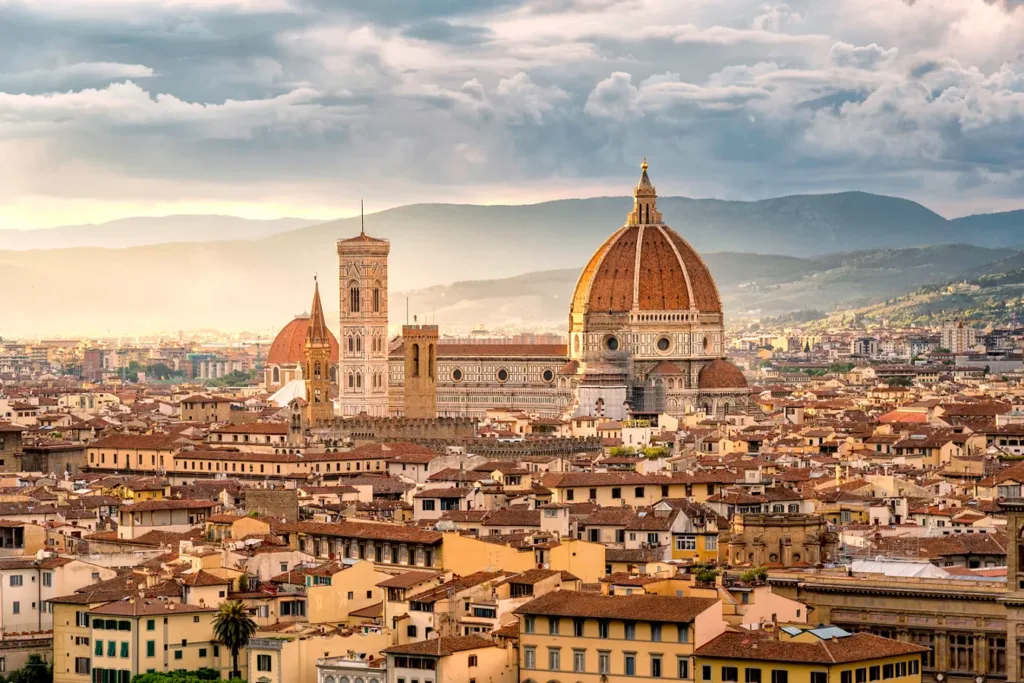
Florence is the most famous Renaissance destination and the birthplace of the movement.
Why visit Florence?
- Home to masterpieces by Michelangelo, Leonardo da Vinci and Botticelli
- Brunelleschi’s Dome is one of the greatest architectural achievements in Europe
- The historic centre is a UNESCO World Heritage Site
Highlights
- Florence Cathedral (Duomo)
- Uffizi Gallery
- Palazzo Vecchio
- Ponte Vecchio
Florence is ideal if you want a complete Renaissance experience with museums, architecture and vibrant city life.
2. Urbino – A Perfect Renaissance Town
Urbino is one of the best-preserved Renaissance towns in Italy and offers a more intimate experience.
Why visit Urbino?
- Birthplace of Raphael
- Compact historic centre with authentic atmosphere
- Palazzo Ducale is one of the finest Renaissance palaces
Highlights
- Palazzo Ducale
- Urbino Cathedral
- Historic streets and viewpoints
Urbino is perfect for travellers who prefer quieter destinations with strong historical character.
3. Ferrara – Renaissance Urban Planning
Ferrara is known for its innovative city planning during the Renaissance.
Why visit Ferrara?
- One of the first cities in Europe designed with modern urban planning principles
- Wide streets and organized layout
- Less crowded than major tourist cities
Highlights
- Este Castle
- Palazzo dei Diamanti
- Renaissance city walls
Ferrara is ideal for those interested in architecture and urban design.
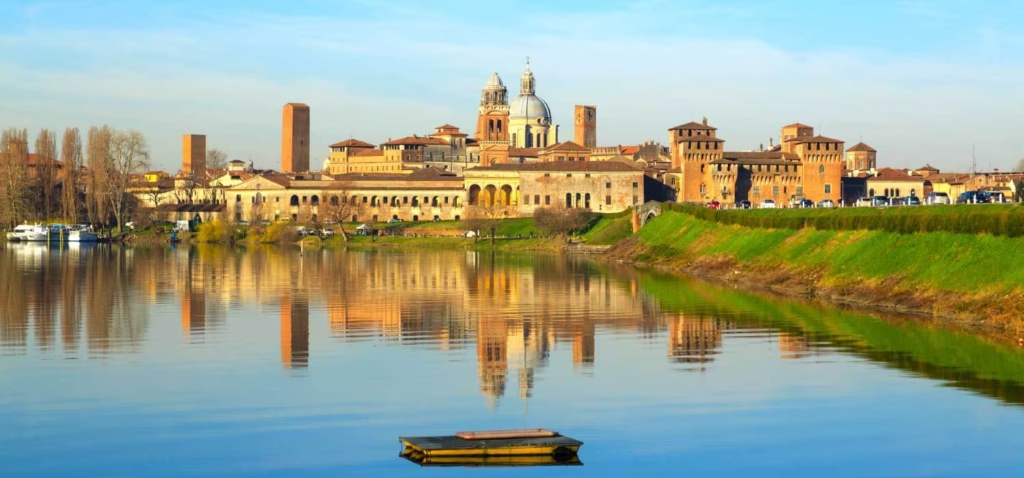
4. Mantua – Art Without the Crowds
Mantua is often overlooked but offers incredible Renaissance art and architecture.
Why visit Mantua?
- Rich artistic heritage
- Fewer tourists compared to Florence
- Strong connection to the Gonzaga family
Highlights
- Palazzo Ducale
- Palazzo Te
- Piazza delle Erbe
Mantua is a great choice if you want a cultural experience without large crowds.
5. Sabbioneta – The Ideal Renaissance City
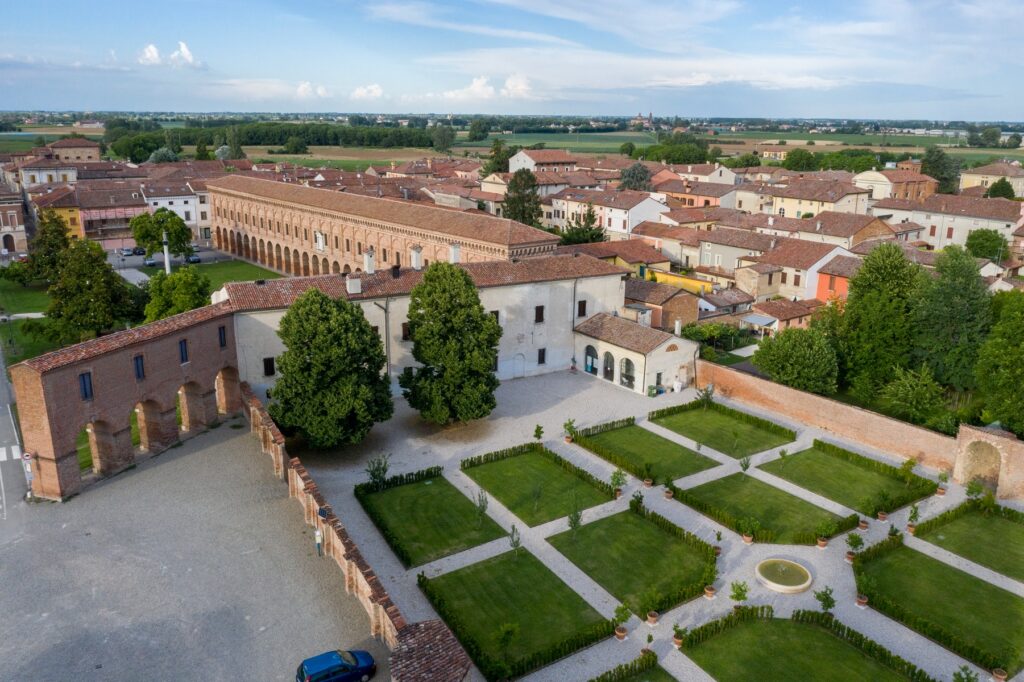
Sabbioneta is a unique example of a planned Renaissance city built from scratch.
Why visit Sabbioneta?
- Designed as an “ideal city”
- Perfect geometric layout
- UNESCO World Heritage Site
Highlights
- Teatro all’Antica
- City walls and gates
- Ducal Palace
Sabbioneta is small but fascinating, especially for architecture enthusiasts.
6. Pienza – Renaissance in Tuscany
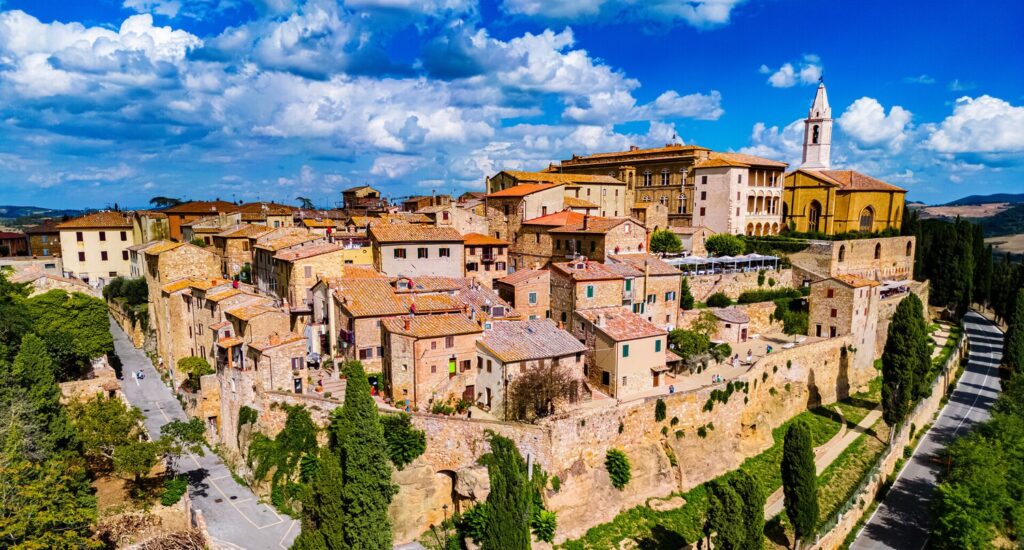
Pienza is a small town redesigned during the Renaissance to reflect humanist ideals.
Why visit Pienza?
- Beautiful Tuscan setting
- Harmonious town layout
- Easy to combine with other Tuscany destinations
Highlights
- Piazza Pio II
- Pienza Cathedral
- Scenic countryside views
Pienza is perfect for a relaxed visit combined with wine and countryside exploration.
Suggested Itinerary: 5–7 Days
Option 1: Classic Route
- Day 1–2: Florence
- Day 3: Pienza (day trip or overnight)
- Day 4–5: Urbino
Option 2: Northern Route
- Day 1–2: Ferrara
- Day 3–4: Mantua
- Day 5: Sabbioneta
Option 3: Mixed Route
- Day 1–2: Florence
- Day 3: Pienza
- Day 4–5: Urbino
- Day 6–7: Ferrara or Mantua
Practical Travel Tips
Best Time to Visit
- Spring (April–June) and autumn (September–October) are ideal
- Summer can be hot and crowded, especially in Florence
Getting Around
- Trains connect major cities like Florence, Ferrara and Mantua
- Smaller towns like Urbino and Pienza may require a car
How Long to Stay
- Florence: 2–3 days
- Urbino: 1–2 days
- Ferrara and Mantua: 1–2 days each
- Sabbioneta and Pienza: half-day to 1 day
Conclusion
Italy offers an incredible variety of Renaissance destinations, from major cultural centres to small, perfectly preserved towns. Whether you prefer world-famous museums or quiet historic streets, there is a place that fits your travel style.
Start with Florence, then build your route based on your travel style, time and interests.
FAQ
Which is the best Renaissance city in Italy?
Florence is the most complete destination, offering art, architecture and history in one place.
Are smaller towns worth visiting?
Yes, smaller towns like Urbino and Pienza often provide a more authentic and relaxed experience.
Can I visit multiple cities in one trip?
Yes, many of these destinations can be combined into a 5–7 day itinerary.
Do I need a car?
Not always. Major cities are accessible by train, but a car is useful for smaller towns.
Disclosure: This page may contain affiliate links. This means that we get a small commission from any purchase you make, at no additional cost to you!