Italy in March sits in the shoulder season. Days are longer. Public spaces feel less crowded. And you can plan sightseeing with fewer summer constraints.
Still, March is not uniform across the country. Northern Italy can remain wintry, especially in the mornings. Central Italy is often mild and walkable. Southern regions usually offer the best odds for soft sunshine and outdoor lunches.
This article is designed for tourists who want an efficient plan. Choose one base. Then build simple day trips.
By the end, you will know your best base and a simple 7–10 day plan.
Use this quick filter.
Sun and sea views → focus on the south. Museums and landmark sights → choose a classic city break. Quiet streets and slower pacing → pick smaller regions and countryside bases.
Explore This Guide
ToggleItaly March weather: what to expect by region
March weather in Italy changes quickly. Expect a mix of sun and rain.
Planning cues help.
Expect at least one rainy afternoon in a typical week.
Evenings can feel colder near water, even after a mild day.
Temperatures depend on latitude, elevation, and exposure to wind. The ranges below are realistic planning references.
Rome: often around 8–16°C.
Milan: often around 4–16°C.
Palermo: often around 11–17°C.
Sea temperatures stay cool. Around Sicily, the sea can hover near 14–15°C.
These ranges vary by year. Local altitude and wind can shift the felt temperature.
Use this planning rule.
Warmest feel: Sicily and much of the deep south.
Most balanced: Rome and central Italy.
Coolest and most changeable: the north and the Alps.
Many coastal towns feel quieter in March. Some services operate on reduced schedules. That is normal in shoulder season.
North Italy in March
Expect cooler days and crisp mornings. Milan, Verona, and Venice can be atmospheric and photogenic.
March is strong for museums, cafés, and evening walks. It is not a beach-focused month in the north.
Central Italy in March
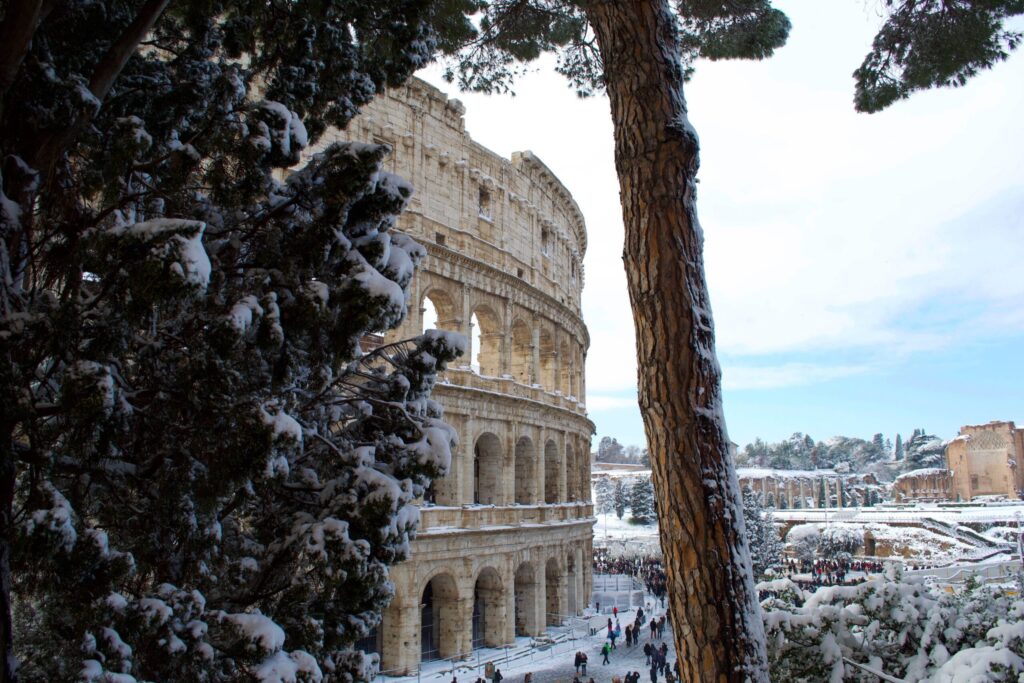
Central Italy is a reliable all-round choice. Rome often feels comfortable for long walking days.
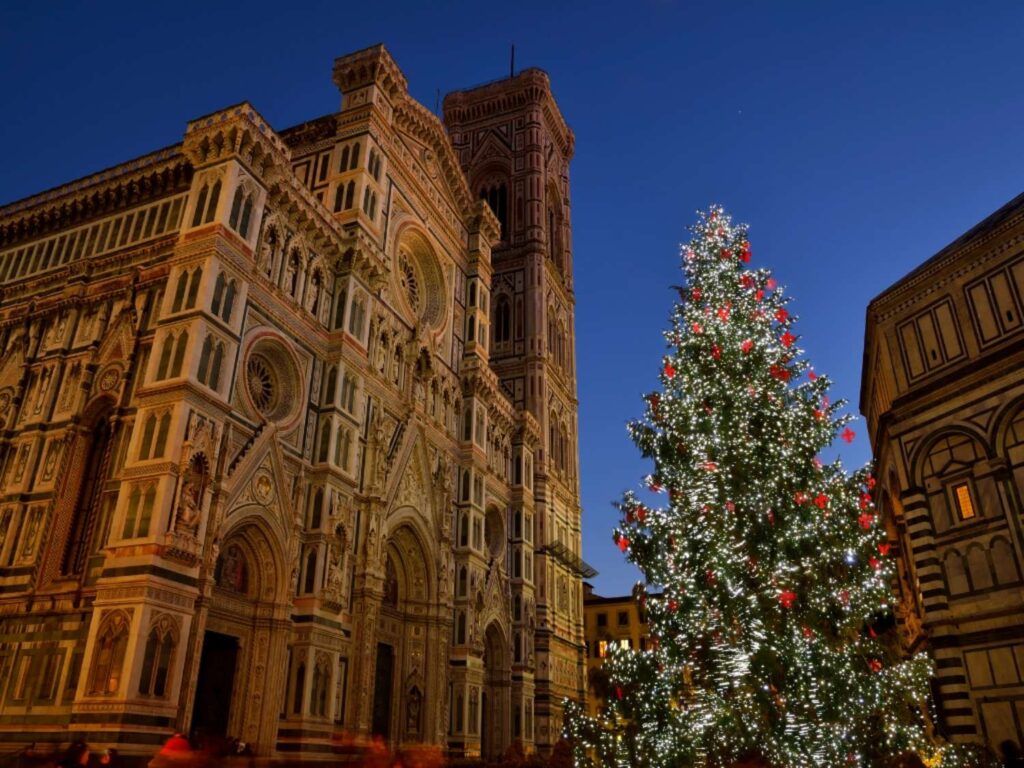
Florence is another high-value pick. You get major art collections and strong food culture. You also get easy day trips.
Tuscany countryside can feel calm and green. Hill towns can be quiet too.
South Italy in March
If you want the best chance of sun, look south.
Sicily and parts of Puglia can feel like early spring. You will not get summer heat. But you can get bright days that suit long sightseeing routes.
How to choose the best base in March
March rewards smart bases. You want easy logistics and flexible options.
Choose your base by these factors.
Walkability: a central area reduces daily effort.
Transport: trains help for city breaks and day trips.
Weather backups: museums and indoor sights matter in March.
Day trip range: pick a place with 2–4 easy excursions.
Avoid over-moving. Two bases in a week often feel enough.
Best places in Italy in March for sun
March is not peak beach season. But the south can still deliver a sun-leaning trip. Think sea views, outdoor meals, and quieter historic sites.
Sicily in March
Sicily is one of the best options for mild March conditions. It also offers exceptional variety.
You can combine urban culture, ancient sites, and coastal scenery within one trip.
Best bases in Sicily (choose one)
Palermo for markets, street food, and big-city energy.
Catania for connectivity and easy day trips.
Ortigia (Syracuse) for a compact historic centre and sea walks.
Taormina for iconic viewpoints and a classic holiday feel.
If you have a car, add one or two structured day trips.
Agrigento for the Valley of the Temples.
Small villages and coastal viewpoints for slower pacing.
Best for
Couples who want sea-walk evenings.
Food-focused travellers.
First-timers who want variety without long distances.
Why Sicily works well in March:
Lower group-tour density.
Comfortable temperatures for walking.
A strong balance of culture and landscape.
A practical note matters in March. Some beach clubs are not open yet. That is normal. You still get coastal promenades and viewpoints.
Puglia in March
Puglia can be a strong March choice if you like slow, scenic travel.
Focus on old towns, viewpoints, and long lunches. That pacing fits the season.
Best bases in Puglia (choose one)
Lecce for baroque architecture and café culture.
Monopoli for a coastal base with day-trip flexibility.
Ostuni for the classic white-town look.
Valle d’Itria for efficient town-hopping.
Best for
Travellers who want calm town-hopping.
Families who prefer easy walking days.
Food lovers who plan around long meals.
Naples as a sunny city break base
Naples is intense, energetic, and culturally dense. In March, it is easier to explore on foot.
It is also a practical base for high-impact day trips.
Good March day trips from Naples:
Pompeii for large-scale ancient streets.
Herculaneum for a smaller, highly preserved site.
Sorrento for views and an easy escape.
Capri can be possible in March, but schedules can be seasonal. Keep the plan flexible.
A March advantage is comfort. You can walk more. You can also enjoy indoor culture days.
Where to stay near Naples (quick picks)
Centro Storico for atmosphere and walkability.
Near Piazza del Plebiscito for a classic central feel.
Chiaia for a calmer base.
Sorrento for scenery and a slower pace.
Southern Sardinia in March
Sardinia is known for summer, but the south can work well in March for scenic travel.
March is best for viewpoints, coastal drives, and long walks. Swimming is usually for brave travellers.
Where to stay in southern Sardinia (quick picks)
Cagliari for city life and day trips.
Poetto area for long sea walks.
Villasimius for a resort-style base.
In March, think of beaches as landscapes. Go for sunrise walks and dramatic skies.
Best Italy March city breaks
If your priority is culture, museums, and walkable itineraries, March is an excellent choice.
You often get more space in busy areas. You also avoid high summer temperatures.
Rome in March
Rome is one of the highest-value choices in March. It is straightforward to plan. It is also ideal for first-time visitors.
Use a simple structure.
One day for ancient Rome.
One day for the Vatican.
One day for neighbourhood walks and food.
Rome also works for families. Add parks and short breaks.
For calmer sightseeing, go early. Then add a long lunch. Finish with a sunset walk.
Where to stay in Rome (best areas)
Centro Storico for walkability.
Trastevere for evenings and food.
Prati for a calmer base near the Vatican.
Monti for a central, stylish feel.
Florence in March
Florence is ideal for a short break. It is compact and easy on foot.
March works well for museums, markets, and day trips into Tuscany.
If it rains, Florence still performs. Many key sights are indoors.
A strong March plan mixes art and neighbourhood time. That keeps the pace realistic.
Where to stay in Florence (best areas)
Duomo area for first-timers.
Santa Maria Novella for easy train access.
Oltrarno for a more local feel.
Venice in March
Venice can be cool, but it often feels more authentic in March.
You get calmer mornings and easier museum visits.
Carnival dates change every year. In some years, it can run into early March. Check dates for your travel year.
In March, plan for evening chill. Add a warm layer for the canals.
Where to stay in Venice (best areas)
San Marco for classic sights.
Cannaregio for a calmer base.
Dorsoduro for museums and views.
Bologna in March
Bologna is a strong food-focused city break with efficient logistics.
March is ideal for arcaded walks in mixed weather. It is also a practical base for train day trips.
Bologna suits travellers who love local food culture. It also suits quick weekend planning.
Where to stay in Bologna (best areas)
Historic centre for food and sights.
Near Bologna Centrale for fast day trips.
Best places in Italy in March for low crowds
For calmer days, choose smaller regions and countryside bases. These often feel more local in March.
Umbria in March
Umbria is a strong choice for hill towns and gentle countryside. In March, it tends to feel calm.
Best bases in Umbria (choose one)
Assisi for views and quiet streets.
Perugia for a lively local feel.
Spoleto for charm and easy walks.
Once you pick a base, plan short day trips to nearby towns.
Tuscany countryside in March
Tuscany in March is green and quieter than late spring.
You will not get peak vineyard scenes. But you can get dramatic skies and peaceful roads.
Good March-style ideas:
Drive a hill-town loop.
Add a thermal spa day.
Focus on food, views, and walks.
Where to stay in Tuscany in March (quick picks)
Florence for day trips without a car.
Siena for a classic base.
Montepulciano or Pienza area for Val d’Orcia views.
A helpful March trick is timing. Plan outdoor stops for midday. Save museums for late afternoon.
Liguria and the Cinque Terre in March
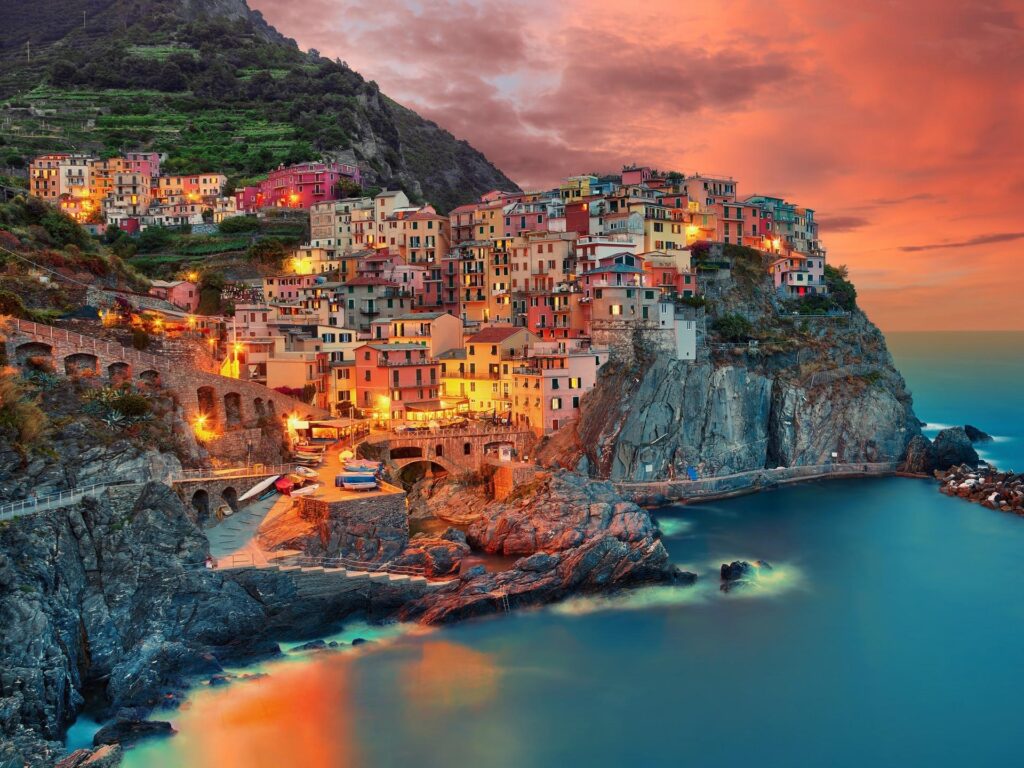
Liguria can be excellent for walking in March.
You can explore villages without summer crowds.
Trail status can change after heavy rain. Check updates the same day.
In March, choose short hikes. Keep a backup plan for rain days.
Where to stay in Liguria and Cinque Terre (quick picks)
La Spezia for value and easy trains.
Monterosso for the most beach feel.
Levanto for a calm base nearby.
Transport and planning tips for March
March travel is easier with flexible transport.
For city breaks, trains are usually the best choice. They are fast and predictable.
For countryside regions, a car can help. It gives you access to hill towns and viewpoints.
Use these planning habits.
Start with one base.
Add day trips by train first.
Add a car only if needed.
Keep one weather buffer afternoon.
Simple Italy in March itineraries
These itineraries are designed for fast planning.
3–4 days: classic city break
Pick one base.
Rome for first-timers.
Florence for art and day trips.
Venice for atmosphere.
Bologna for food and easy trains.
Keep it simple. Walk a lot. Add one slow afternoon.
Best without a car. Use walking and trains.
7 days: sun-focused south
Choose one region.
Option A: Sicily
Base in Palermo or Catania.
Add one smaller town stop.
Mix ancient sites and sea views.
Works with or without a car. A car helps for rural stops.
Option B: Puglia
Base in Lecce or Valle d’Itria.
Explore white towns.
Add coastal viewpoints.
Best with a car for easy town-hopping.
10 days: mix cities and sunshine
This option balances landmark cities and southern light.
4 days in Rome.
6 days in Naples plus nearby, or Sicily.
Use trains for the city part. Add a car only for countryside days.
What to pack for Italy in March
March packing is about layers and weather flexibility.
Bring:
A light waterproof jacket.
Comfortable walking shoes.
A warm layer for evenings.
Sunglasses.
A small umbrella, if you like.
If you go north, add one extra warm layer.
A day bag helps too. It makes layers easy to manage.
Travel tips for March
A few habits make March travel easier.
Start earlier on sunny days.
Keep one flexible day for weather.
Choose indoor backup plans.
Book key museums in advance, if you can.
Also plan energy, not only sights. March days can feel long. A slow coffee break helps.
FAQs
Is March a good time to visit Italy?
Yes. March is strong for sightseeing and city breaks. It is often calmer than peak season.
Is Italy warm in March?
Some places feel mild. The south is usually warmer. The north is cooler.
Where is warm in Italy in March?
Sicily and the deep south often feel the mildest. Puglia can also feel spring-like on sunny days.
Does it rain in Italy in March?
Yes, it can. March is a changeable month. Pack a light waterproof layer.
What should I wear in Italy in March?
Wear layers. Bring comfortable shoes. Add a light rain jacket.
Is Venice worth visiting in March?
Yes. Venice can be cool, but it is atmospheric. Pack a warm layer for evenings.
Can you visit the Amalfi Coast in March?
Yes, but it is quieter. Some services are seasonal. Ferries can be limited. Buses and trains still run. Naples or Salerno can be practical bases.
Is Sicily worth visiting in March?
Yes. Sicily is one of the best choices for mild weather and low crowds.
How many days do you need for an Italy March trip?
Four days works for a city break. Seven days suits one region. Ten days suits a city plus the south.
Is March good for hiking in Italy?
Yes, in many places. Choose shorter routes. Check trail status after rain.
Final thoughts: choose your perfect March base
Italy in March works best when you align the destination with your priorities.
Choose the south for the best chance of sun. Choose Rome or Florence for a straightforward first trip. Choose Umbria or Tuscany for a calmer, slower-paced experience.
Choose your base → book your stay → add three day trips.
Disclosure: This page may contain affiliate links. This means that we get a small commission from any purchase you make, at no additional cost to you!