The quiet days between Christmas and New Year are perfect for a short Italian escape. From much of Europe, Italy is only a short flight or train ride away, so you can make the most of a few free days. Many Italians use 26 December and the following days to travel. They head for the mountains, spa towns, and smaller cities that feel cosy in winter. If you pick one good base, book a hotel with a strong breakfast, and slow your pace, these days can feel like a reset before January starts.
Explore This Guide
ToggleWhy travel to Italy between Christmas and New Year
Between Christmas and New Year, Italy has a special rhythm. Christmas Day is over, but festive lights, markets, and winter menus remain. Offices are quieter. Many locals have time off. Streets feel busy in the evening but slower during the day.
Shops, cafes, and restaurants usually open again on 26 or 27 December. Museums and attractions follow their normal winter schedules, with some closures on 26 December and 1 January. Trains and buses still run, but tickets can sell out on peak days. This makes 26–30 December a sweet spot: festive, but not as intense as New Year’s Eve.
If you are coming from elsewhere in Europe, three or four nights is ideal. Choose one base and explore from there. With short winter days, staying central and walking as much as possible keeps things simple.
Where to go in Italy between Christmas and New Year
Italy offers several styles of winter break between Christmas and New Year:
Choosing just one style for a three- or four-night stay keeps travel simple and lets you fully enjoy your base.
Alpine and Dolomite ski resorts
Spa and thermal towns with hot pools and wellness hotels
Art cities with lights, food, and culture
Milder southern and coastal bases
Think first about your travel style. Do you want snow and ski lifts, indoor pools and saunas, museum days, or sea views and soft light? Then choose a base that matches your mood.
Alpine and Dolomite towns: snow, silence, and ski lifts
If you dream of snow, the Dolomites and Italian Alps are the classic choice between Christmas and New Year. Many Italians head here for skiing, winter walking, and cosy hotel evenings.
Dolomites
The Dolomites offer dramatic peaks, long ski areas, and scenic villages, ideal if you want a few intense days of skiing and mountain air without changing hotels. Popular bases include Cortina d’Ampezzo, Val Gardena (Ortisei, Santa Cristina, Selva), and Alta Badia (Corvara, La Villa, San Cassiano). These towns connect to the vast Dolomiti Superski area, with pistes for beginners and experts.
You do not need to ski to enjoy a Dolomites winter break. Many resorts offer winter walking paths, snowshoe trails, and simple toboggan runs. Towns like Ortisei and Corvara have lively centres with cafes, pastry shops, and winter events. You can spend your days walking, stopping for hot chocolate, and riding cable cars to viewpoints.
Trentino and South Tyrol ski areas
Beyond the headline names, Trentino and South Tyrol hide smaller resorts with a local feel. Think of Madonna di Campiglio, San Martino di Castrozza, or areas around Kronplatz. These towns still offer good ski links and mountain scenery, but can feel less hectic than the big names.
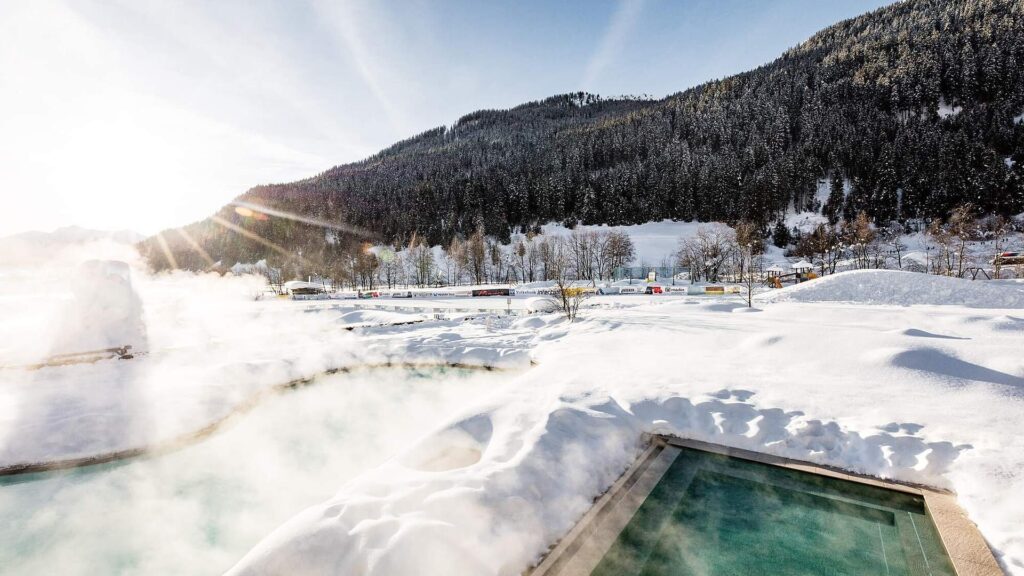
A Trentino winter holiday between Christmas and New Year works if you want a mix of ski days and spa time. Many hotels in this region have wellness areas with saunas and indoor pools. After a day in the cold, you can retreat to warm water and mountain views.
Western Alps and Aosta Valley
On the western side, Valle d’Aosta sits under Monte Bianco and Monte Cervino. Courmayeur, Cervinia, and smaller villages offer Italian charm with a hint of French and Swiss flavour.
Courmayeur pairs a pretty town centre with access to the Skyway Monte Bianco cable car. Cervinia connects to Swiss Zermatt on the slopes and offers long, high-altitude runs. In both places, you can mix skiing with long lunches and walks along snowy streets.
Tips for a mountain break
Book early: ski resorts fill up quickly between Christmas and New Year.
Check lift passes: some popular areas may limit access on peak days.
Stay near the centre or a lift: walking in ski boots is tiring in winter conditions.
Pack layers and good footwear: paths can be icy even in town.
If you want snow but not crowds, consider arriving just after Christmas and leaving before New Year’s Eve. The days around 27–30 December can be a little calmer than 30 December to 2 January.
Spa and thermal towns: hot water and slow days
If your ideal winter escape means more time in a bathrobe than in a ski jacket, Italy’s thermal towns are perfect between Christmas and New Year. Hot pools, spa rituals, and relaxed meals fit well with short daylight hours.
Terme Euganee: Abano and Montegrotto Terme
West of Venice and Padua, the Terme Euganee area includes Abano Terme and Montegrotto Terme. This is one of Europe’s largest spa zones, built on volcanic hot springs.
Here, many hotels are classic spa properties with their own thermal pools, wellness areas, and medical spa services. You can book a package with half board, spend mornings floating in warm water, and use afternoons for short trips.
Padua is a quick tram or train ride away, with its historic squares and the Basilica of Saint Anthony. Venice and Verona are also possible day trips if you fancy one full city day during your stay.
Merano and the Alpine spa feel
Merano in South Tyrol blends mountain views with a modern thermal complex. The town has riverside promenades, palm trees, and snow-covered peaks in the background. In winter, lights and decorations reflect on the water, and the atmosphere is calm but not sleepy.
A Merano thermal break between Christmas and New Year can be a good compromise for couples and groups. Some can focus on spa sessions, while others take day trips to nearby ski areas or winter walking trails.
Bormio and Alpine hot springs
Bormio, in Lombardy’s Alps, is famous for its historic hot springs. The Bagni Vecchi and Bagni Nuovi complexes offer outdoor pools and thermal baths with mountain views. The small town also has its own ski area and links to nearby slopes.
Staying in Bormio works well if you like the idea of skiing one day and soaking the next. It feels more compact and local than some big-name resorts, with a clear mountain-town charm.
Tuscany and central Italy hot springs
Central Italy offers a different style of winter spa break. In Tuscany, towns like Montecatini Terme, Chianciano Terme, and small villages around the Val d’Orcia have thermal traditions and classic hotels.
You can also find natural-style pools, including the Cascate del Mulino near Saturnia, the famous outdoor waterfalls seen in many photos. In winter, they are less crowded, but you need a car and warm clothing for the time outside the water.
A Tuscany hot springs winter escape fits travellers who want gentle countryside drives, good food, and regular soaks in warm water. Quiet evenings in small towns feel perfect after holiday season noise.
City breaks: lights, food, and museums
If you prefer walking streets and visiting museums to snowy trails, a city break between Christmas and New Year is a strong choice. Many Italian cities keep their decorations up until early January, so evenings still feel festive.
Rome
Rome in late December feels alive but not overwhelming. Nativity scenes, lights, and winter markets highlight the season, and many restaurants stay open.
You can spend one day on the classic ancient sites, another exploring a specific neighbourhood, and a third on a day trip. Nearby options include Tivoli, the Castelli Romani, or the coast if the weather is mild.
Choose accommodation near the historic centre or a main station. With short daylight hours, you will appreciate being able to walk back to your base without long transfers.
Florence
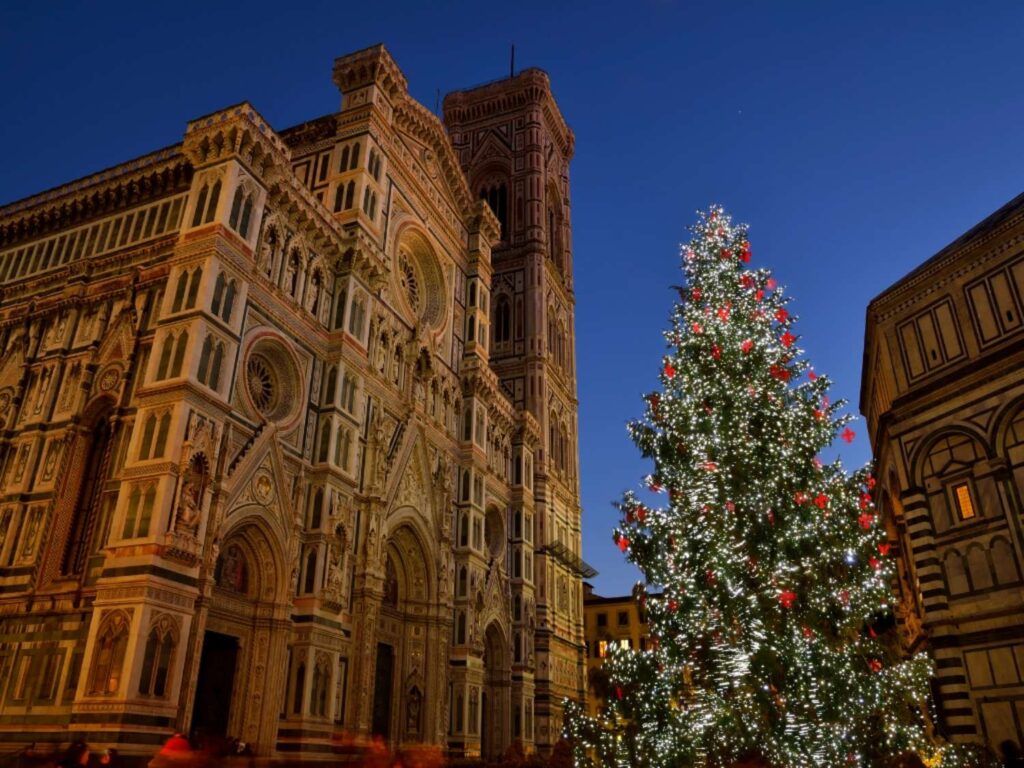
Florence suits three-night winter city breaks. Distances are short, and you can reach most highlights on foot. The Duomo, Uffizi, and Ponte Vecchio area are busy, but not at peak summer levels.
In the evenings, you can explore Oltrarno’s quieter streets, visit artisan workshops, and sit in cosy wine bars. Day trips by train to Pisa, Lucca, or even Bologna give extra variety if you want to see more.
Venice
Venice in winter can be cold and foggy, but that is part of the charm. Mist over the lagoon, quiet alleys, and dim lights make the city feel like a film set.
Between Christmas and New Year, some day-tripper crowds still come, but mornings and evenings are calmer. Pick a base in central districts like San Marco, San Polo, or Dorsoduro, and plan to move mostly on foot.
A Venice winter city break focuses on churches, art collections, and slow walks. You can also take boat trips to Murano or Burano on clear days.
Northern city options
Milan, Turin, Verona, Bologna, and Padua all work well for short winter breaks. They combine historic centres with good shopping, covered arcades, and strong food traditions.
Turin: elegant squares, chocolate, and Alpine views
Verona: romantic riverfront streets and easy train links
Bologna: food markets, portico-covered walkways, and a student atmosphere
Pick one base and focus on walking and eating well. A winter city break is about mood more than checking off every sight.
Naples and southern cities
Naples is lively at any time of year, and late December is no exception. Presepe (nativity scene) traditions continue until early January, especially along Via San Gregorio Armeno, the city’s famous “Christmas alley”. You can combine big-city energy with day trips to Pompeii, the Amalfi Coast, or the nearby islands when the weather allows.
If you feel inspired to travel even further south for milder temperatures and baroque towns, look ahead to the Southern and coastal escapes section, where Sicily and Puglia are in focus.
Southern and coastal escapes: winter sun and sea views
For travellers who want fresher air without freezing temperatures, southern Italy and some coastal areas are appealing between Christmas and New Year.
Sicily
Sicily offers a mix of cities, coastal towns, and countryside. Palermo and Catania both serve as good bases, with rich food scenes and historic centres.
From Palermo, you can visit Monreale, Cefalù, or the coast west of the city. From Catania, day trips to Mount Etna, Taormina, and the Ionian coast are easy by bus or car.
Temperatures are rarely hot, but outdoor walks feel pleasant, and winter light can be beautiful. Local life continues at full speed, which makes visits feel authentic.
Puglia
In Puglia, Bari and Lecce work best as winter bases. Bari combines a lively port city with a charming old town, while Lecce is famous for its baroque architecture.
From Bari, you can reach Matera, Polignano a Mare, and the trulli of Alberobello. From Lecce, coastal drives to Otranto and Gallipoli show off cliffs, beaches, and fishing towns.
A Puglia winter escape is ideal if you want quieter roads, good value accommodation, and long lunches rather than beach days.
Amalfi Coast and Sorrento
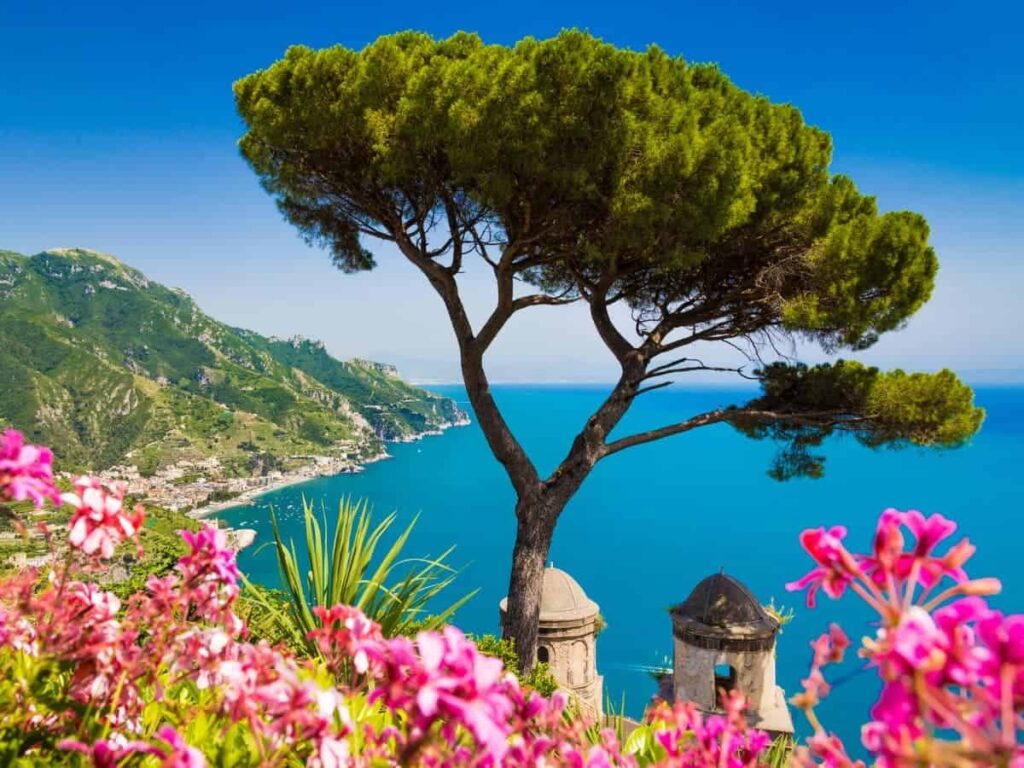
The Amalfi Coast is much quieter in winter. Some hotels and restaurants close, especially in smaller villages, but Sorrento remains active and is a practical base.
You can visit Pompeii, Naples, and Capri from Sorrento, as well as sections of the Amalfi Coast itself. Winter brings clear views on sunny days and fewer crowds at viewpoints.
How to plan your Italy trip between Christmas and New Year
A successful trip between Christmas and New Year in Italy starts with a few key choices. Once you know your style of break and preferred region, block your dates and book your transport early to secure the best options.
How many days do you need
Three or four nights are enough for most travellers. With that time, you can settle into one base, avoid too much packing, and still feel you have had a proper break.
If you travel a longer distance, add one extra night. This gives you three full days on the ground after travel days.
Where to stay
When you plan a winter break, location matters more than square metres. Look for:
Central positions in cities, close to main sights
Hotels near lifts in ski towns
Spa hotels with on-site pools in thermal areas
A strong breakfast and reliable heating matter more in winter. In mountain and spa regions, check if your hotel includes wellness access in the room price.
Transport tips
Trains in Italy are usually reliable in winter, but holidays can make some days busier. Book long-distance routes in advance if you travel on 26 December or just before New Year.
In the mountains, winter tyres or chains may be required. If you are not used to winter driving, consider taking a train or bus to a resort and walking or using local shuttles.
Public transport frequencies can be lower on public holidays, so always check timetables for 26 December and 1 January.
What to pack
Pack layers rather than very heavy items:
A warm coat and hat
A fleece or light down layer
Comfortable waterproof shoes
A scarf and gloves
Swimwear and flip-flops for spa days
In cities, many people still dress smartly for dinners and evenings. A simple dress, shirt, or jumper you feel good in will help you blend in.
Sample mini-itineraries
To make planning easier, here are a few simple ideas for trips between Christmas and New Year.
Three nights in the Dolomites
Day 1: Arrive, settle into your hotel, and take a gentle evening walk through town.
Day 2: Spend the day skiing, snowboarding, or exploring winter walking trails. End with a sauna session or a hot drink in a mountain hut.
Day 3: Ride a cable car to a viewpoint, visit a nearby village, or enjoy a slow lunch at a rifugio.
Four nights in a Veneto spa town
Day 1: Arrive in Abano or Montegrotto Terme and explore the hotel’s pools and spa.
Day 2: Take a day trip to Padua, then return for an evening soak.
Day 3: Visit Venice or Verona for a full city day.
Day 4: Enjoy a final morning in the thermal pools before travelling home.
Three nights in Rome or Florence
Day 1: Walk the historic centre and enjoy a relaxed dinner near your base.
Day 2: Focus on a couple of major sights or museums, booked in advance.
Day 3: Take a short day trip or explore a quieter neighbourhood with markets and local cafes.
Four nights in Naples or Palermo
Day 1: Arrive, wander through the old town, and sample local street food.
Day 2: Visit key monuments and viewpoints, then enjoy a long evening meal.
Day 3: Take a coastal or archaeological day trip, depending on the weather.
Day 4: Keep the last morning free for shopping, coffee, and a final walk.
FAQs
Is Italy open between Christmas and New Year?
Yes. Shops, cafes, and restaurants generally reopen soon after Christmas Day. Some museums and smaller businesses may close on 26 December and 1 January, but normal winter schedules usually apply on the other days.
How busy are Italian ski resorts at New Year?
Ski resorts are among the busiest places in Italy at this time. The days around New Year’s Eve see high demand for hotels and lift passes. If you want snow with a slightly calmer feel, target the days between 27 and 30 December.
What is the weather like in Italy between Christmas and New Year?
Weather varies by region. Expect cold temperatures and a chance of snow in the Alps and Apennines. In cities like Rome and Florence, winter is cool but manageable. In southern regions and islands, days can be mild and pleasant for walking.
How many days should I plan for a winter break in Italy?
Plan three or four nights if you are flying from elsewhere in Europe. This gives you two or three full days in your chosen base. For longer trips or if you plan to visit more than one region, add extra nights.
Do I need to book everything in advance?
Booking early is wise for popular ski resorts, spa hotels, and city-centre accommodation. Reserve key train journeys and restaurant meals on peak dates. For regular winter days, you can often keep some flexibility, especially in bigger cities.
Make the most of the quiet days between holidays
The days between Christmas and New Year are a chance to slow down without wasting your annual leave. Italy gives you many ways to use this window: snow and ski lifts, hot pools and spa rituals, city streets with lights, or southern towns with gentle winter sun.
Choose one base that fits your style, book a comfortable hotel, and keep your plans simple. With a few short walks, good meals, and one or two special experiences, your between-holidays trip to Italy can set the tone for the year ahead.
Disclosure: This page may contain affiliate links. This means that we get a small commission from any purchase you make, at no additional cost to you!