
Abruzzo, Italy
Plan an Abruzzo holiday around mountain landscapes, historic villages and the Adriatic coast. Choose a base for the places and activities you want to explore, then build a route with time for the journeys between them.
Quick planning answer
How long to stay: Consider 3 days for one area, 7 days for a mountain and coast combination using two bases, or around 10 days to add another park or valley. These are suggested lengths; arrival and departure days reduce sightseeing time.
Who it suits: Nature lovers, walkers, history enthusiasts, cyclists and travellers who enjoy local food. Families can mix town visits, lakes and beaches, choosing each outing for their group’s mobility and experience.
Mountains, coast or both: Choose inland Abruzzo for protected landscapes and stone villages, or the Adriatic for beaches and seaside towns. A combined trip works better with a planned base change than repeated crossings of the region.
Where to base yourself: L’Aquila or a Gran Sasso village for that mountain area; Sulmona or Caramanico Terme for different sides of Majella; Pescasseroli or Barrea for the Abruzzo, Lazio and Molise National Park. Coastal options include Pescara, Ortona and Vasto.
With or without a car: Rail is useful along the coast and between selected inland towns. A car or prearranged transfer helps with remote villages and trailheads; a railway station does not provide direct mountain access.
When to visit: Summer suits coastal holidays, with heat and higher demand. Lower walks may suit spring and autumn when conditions allow; higher routes can retain snow or become wintry. Winter activities depend on weather, road access and actual lift operations.
Explore this guide
Choose your area
Abruzzo’s travel areas serve different holidays. Its three national parks, the Sirente-Velino regional park and coastal reserves have different boundaries and access arrangements. No single town is equally convenient for every park.
L’Aquila and Gran Sasso
Historic streets and high plateau scenery suit culture, village visits and mountain photography. Use L’Aquila for city services or choose a Gran Sasso village for atmosphere. Roads, seasonal access and onward transport determine which outings are practical.
Majella and the Sulmona area
Hermitages, limestone landscapes and the Peligna Valley suit walking and cultural trips. Sulmona is a town base on the western side; Caramanico Terme serves the Orfento area. They are alternatives with different approaches, not interchangeable trailheads.
Abruzzo, Lazio and Molise National Park
Pescasseroli and Barrea are distinct Abruzzo bases for forests, lake scenery and park visits. This national park extends into Lazio and Molise. Arrange transport for the specific visitor centre or permitted trail you want to reach.
Sirente-Velino and Marsica
The regional park, upland villages and the Fucino area combine landscapes with Celano and Alba Fucens. Rocca di Mezzo and Ovindoli suit upland stays; the Marsica towns offer different access. A car helps link scattered sights.
Pescara, northern coast and Teramo
Seafront promenades and rail-served coastal towns suit a beach break with urban services. Teramo adds inland history and foothill trips. Check buses beyond the coastal railway and the distance between your station and accommodation.
Trabocchi Coast and Vasto
Fishing platforms, coves and sections of coastal cycling suit slower seaside days. Ortona, San Vito Chietino and Vasto each offer a different base. Check current cycle-route access; hilltop towns, stations and beaches can be separated.
Places to visit in Abruzzo
Start with these nine guides, then use the smaller links below for nearby towns, caves and seasonal ideas.

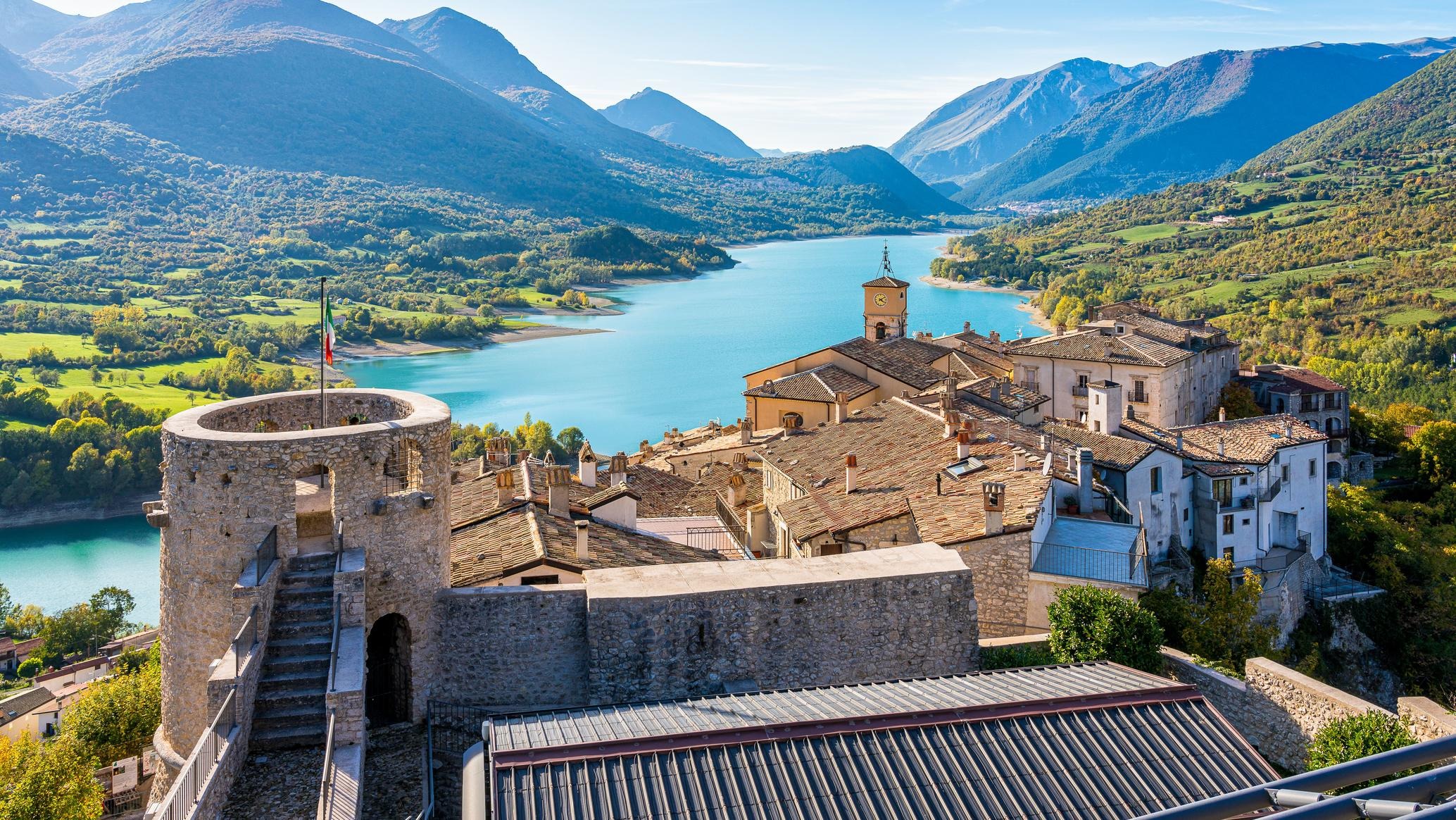
L’Aquila
Explore the historic centre, Collemaggio and the city’s cultural sights. Combine a city stay with separately planned outings towards Gran Sasso.
Read the L’Aquila guide →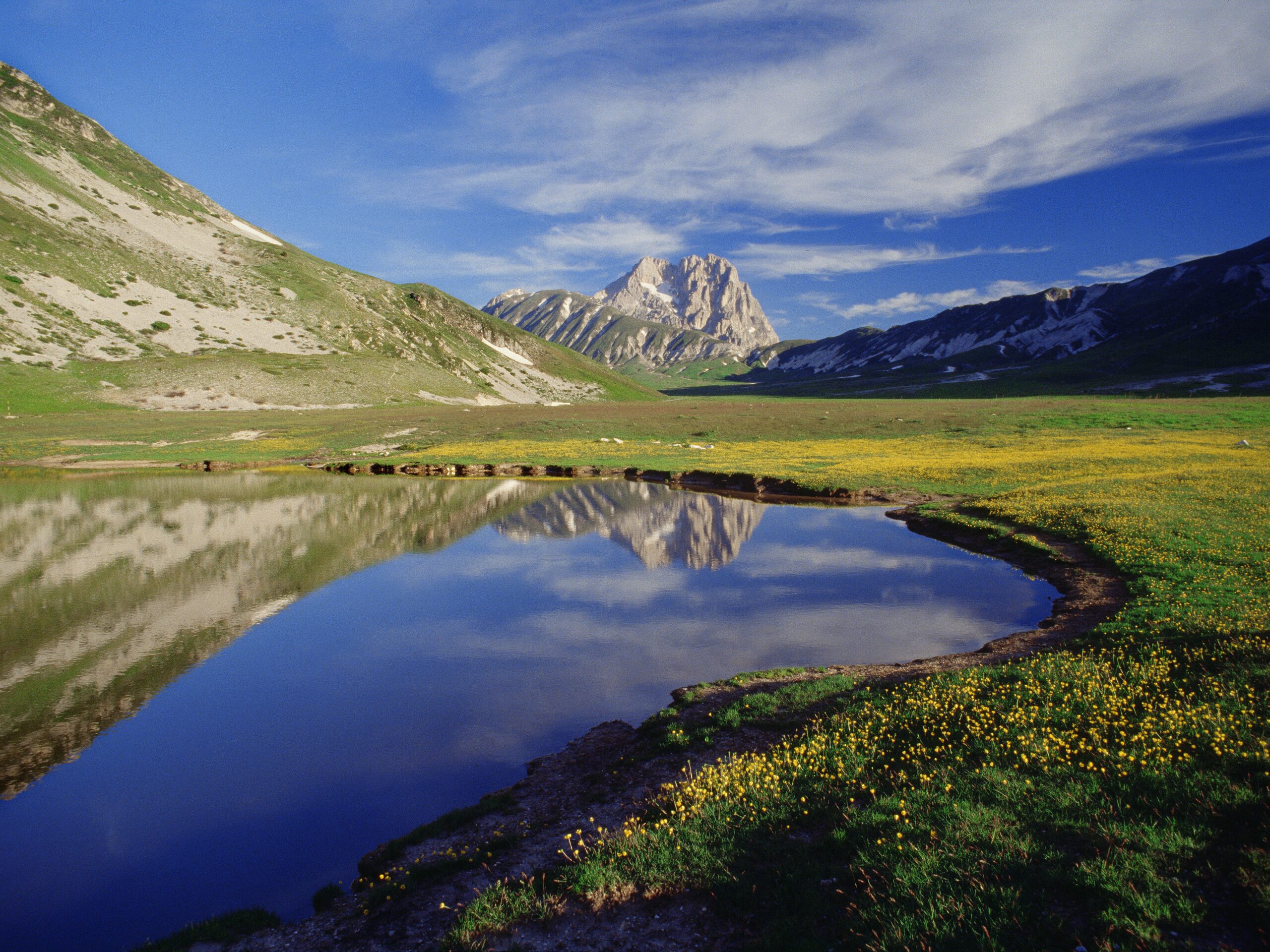
Campo Imperatore
A high plateau of open grassland and mountain views. Plan sightseeing or a suitable marked walk around current road access and weather.
Read the Campo Imperatore guide →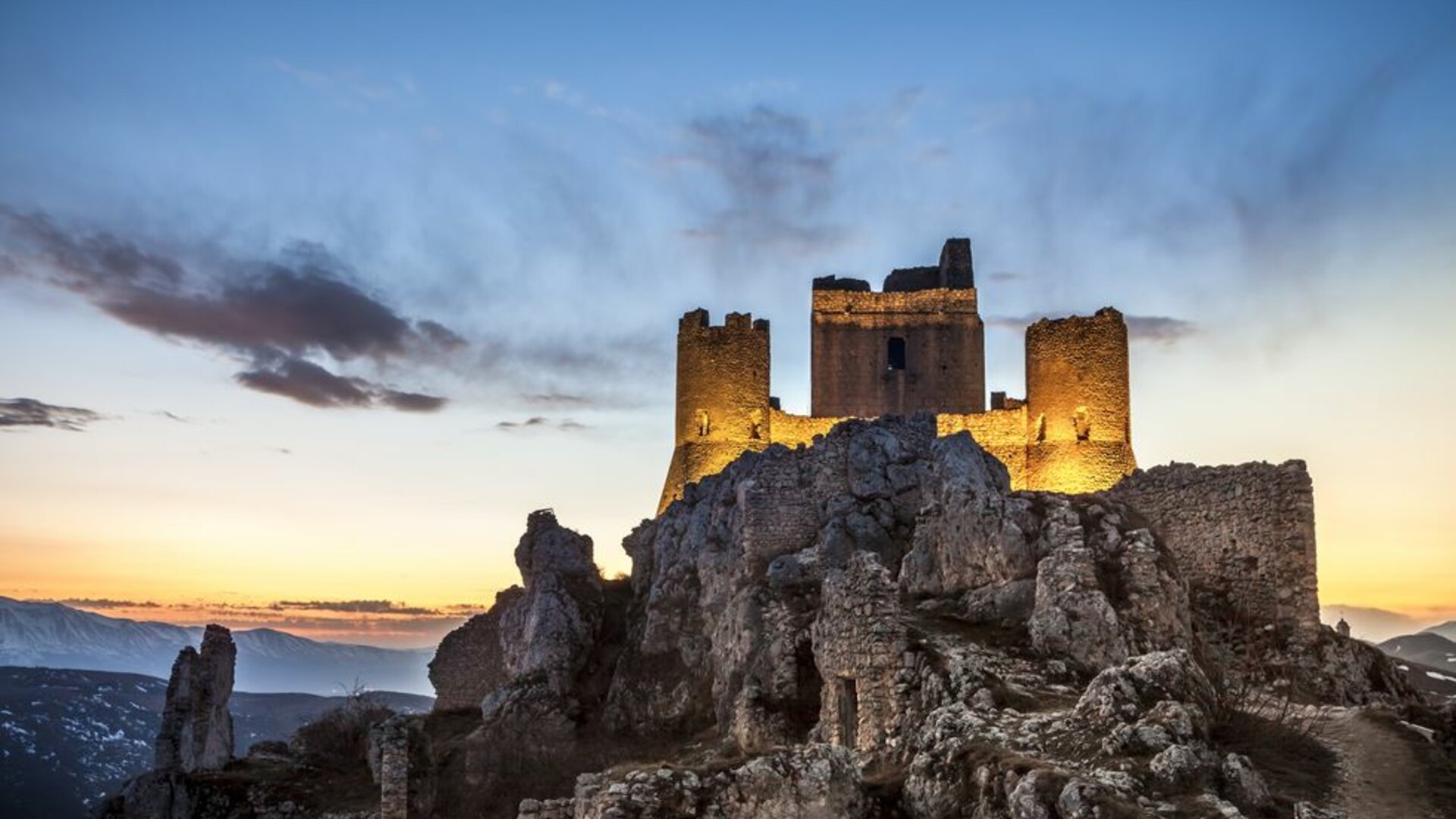
Rocca Calascio
A ruined fortress above a stone village, with wide mountain views. Check local access arrangements and allow for an uphill walk on uneven ground.
Read the Rocca Calascio guide →
Majella National Park
Discover wooded valleys, hermitages and limestone scenery. Choose a park sector first and check access requirements for its trails.
Read the Majella National Park guide →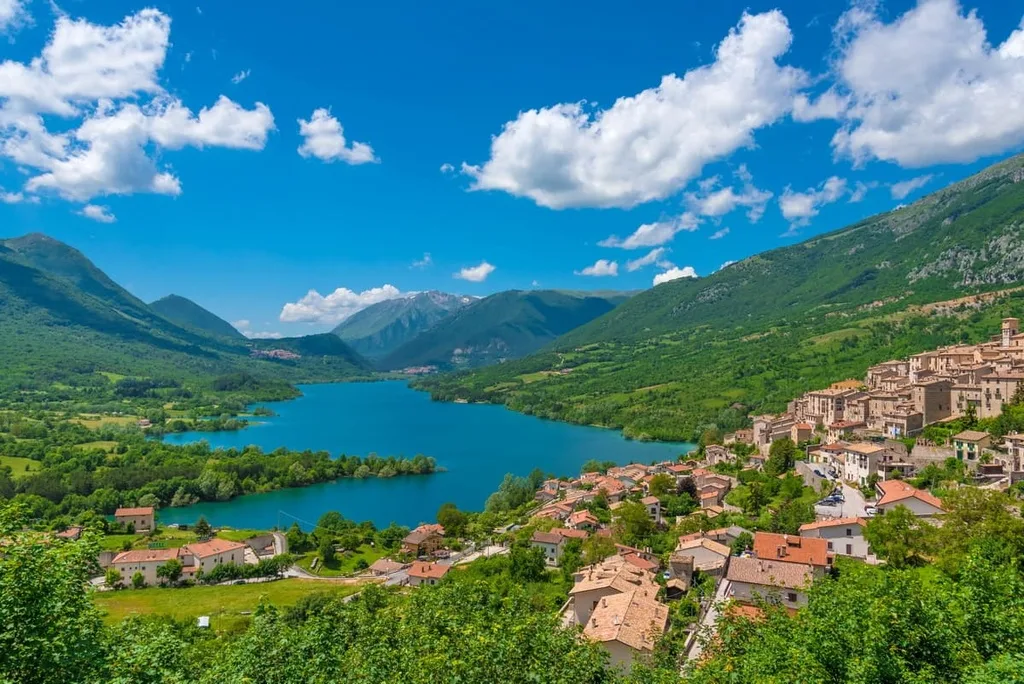
Abruzzo, Lazio and Molise National Park
One of Italy’s oldest national parks, with forests, villages and wildlife habitat. Explore its Abruzzo side from Pescasseroli or the Barrea area.
Read the Abruzzo, Lazio and Molise National Park guide →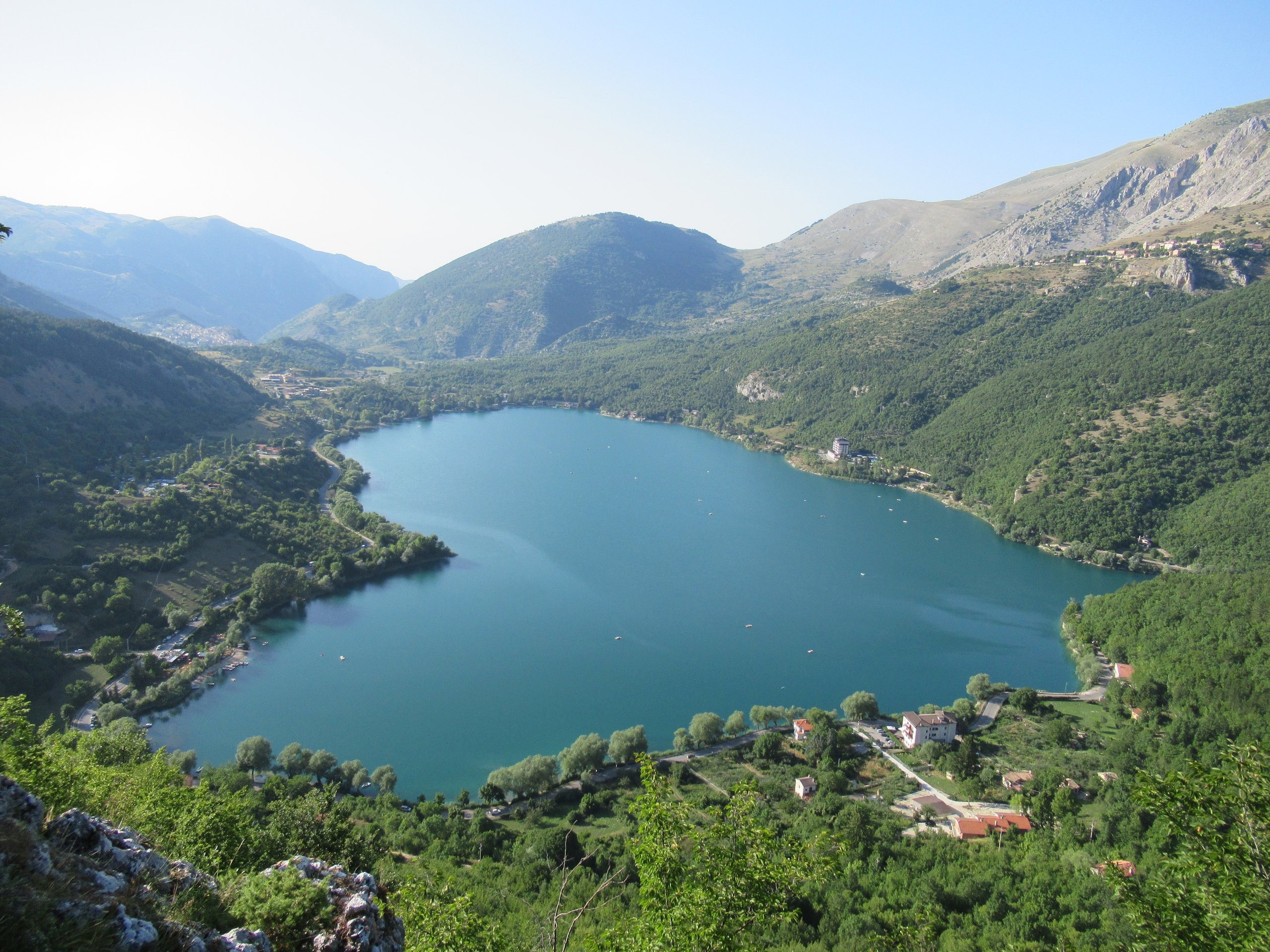
Lago di Scanno
A lake-and-village outing in the Sagittario area. Enjoy lakeside scenery or choose a viewpoint walk only after checking its gradient and conditions.
Read the Lago di Scanno guide →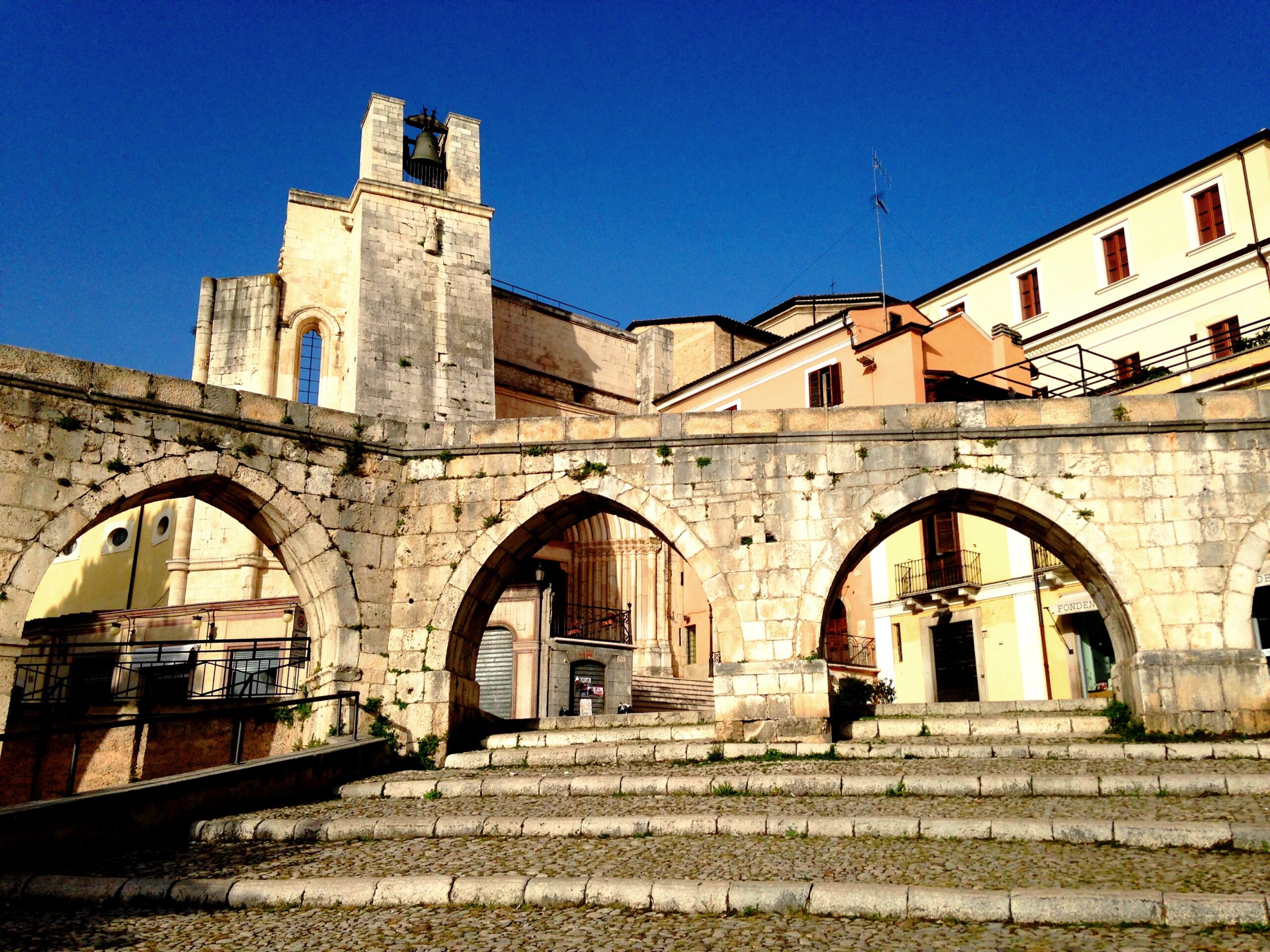
Sulmona
Piazzas, the medieval aqueduct and confetti shops make a rewarding town day. Use it as a base for the Peligna Valley and selected Majella outings.
Read the Sulmona guide →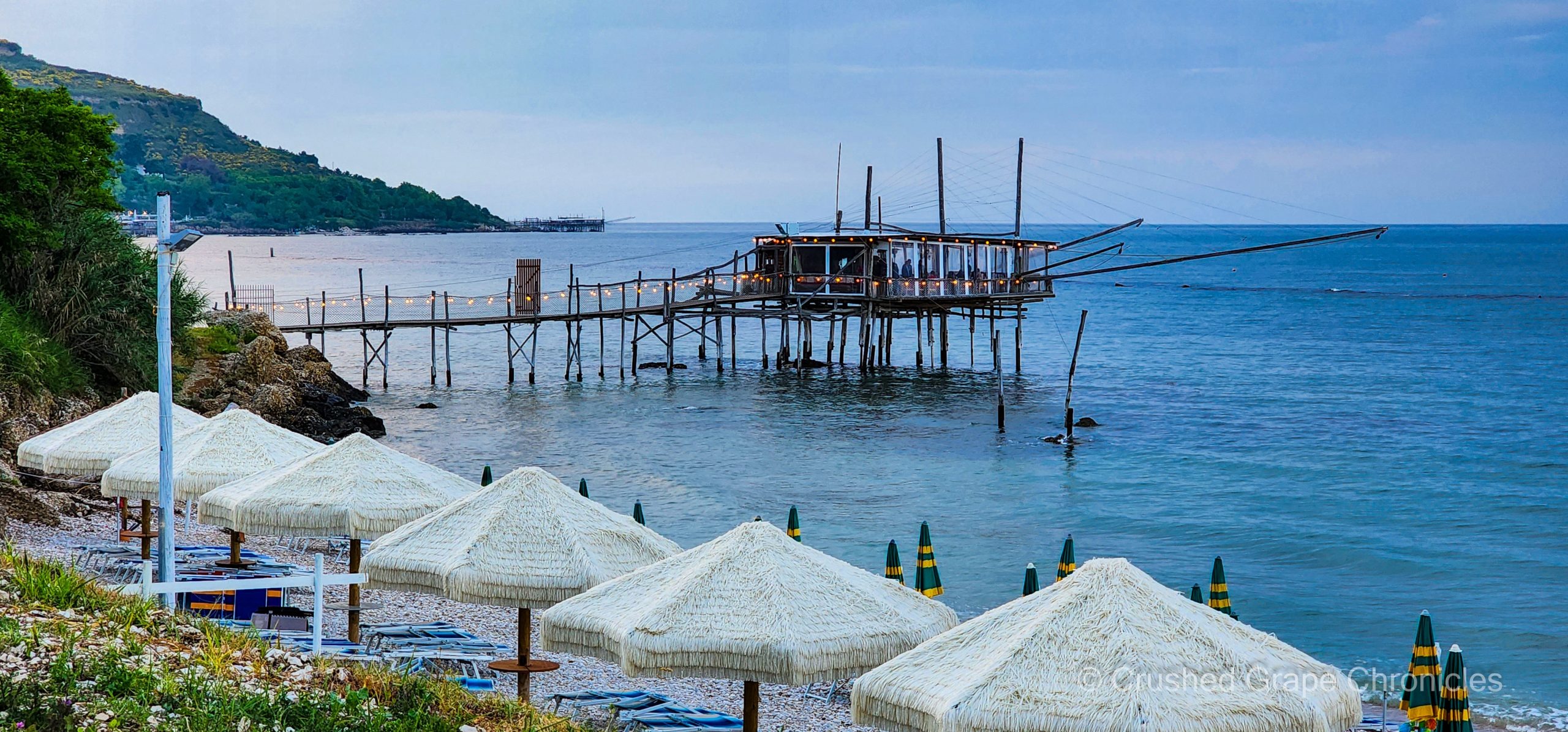
Trabocchi Coast
Wooden fishing platforms, seaside villages and coastal cycle-route sections. Plan beach stops and check the exact route before a ride.
Read the Trabocchi Coast guide →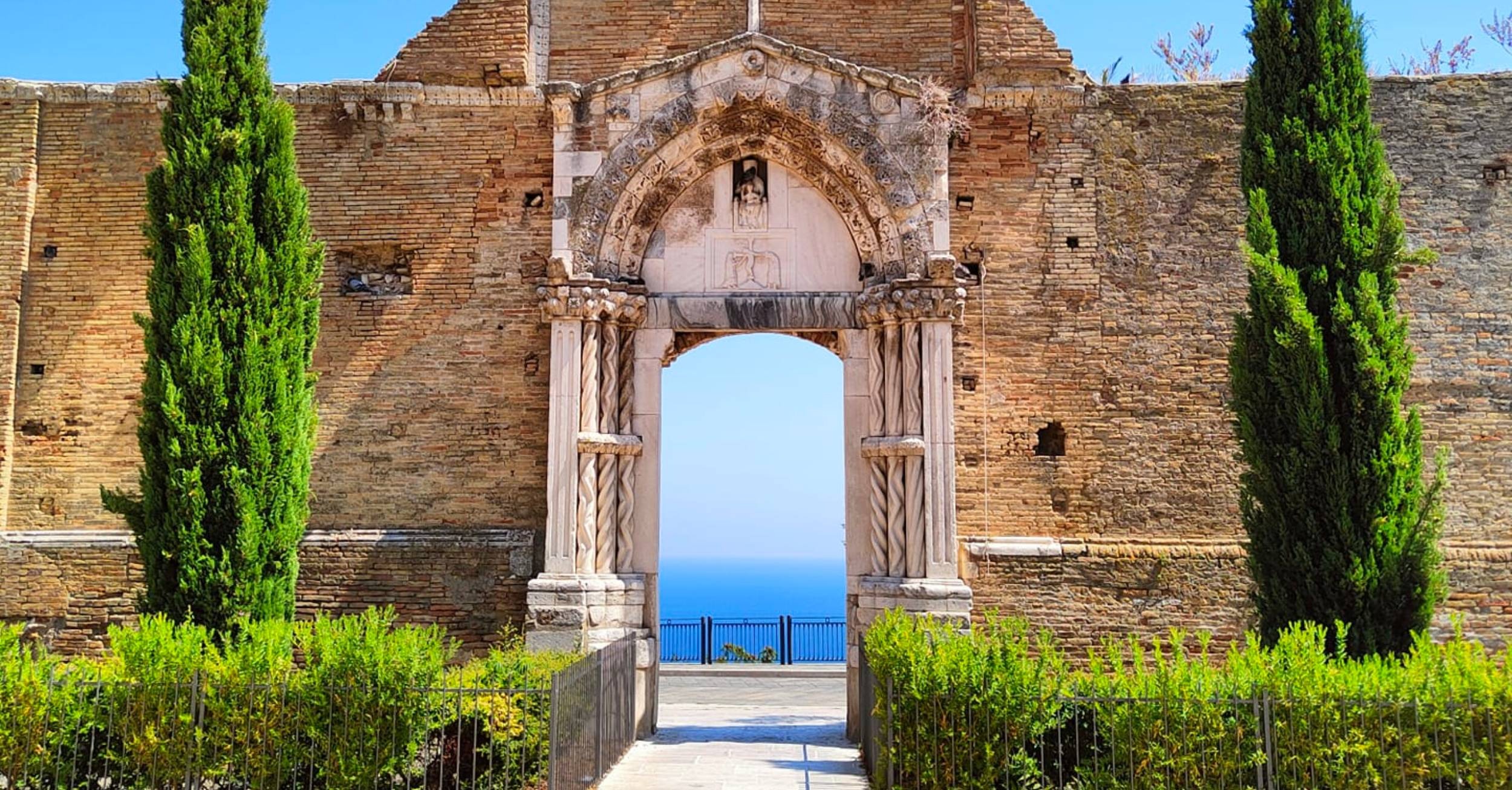
Vasto
Explore the historic town’s sea views, then plan a separate visit to Marina di Vasto or Punta Aderci. Check transport between town and coast.
Read the Vasto guide →Where to stay in Abruzzo
Choose a base for your main outings, then compare the complete cost, cancellation terms and room facilities. Ask about steps, lifts, air-conditioning and late arrival where relevant.
Some links and the search below are affiliate offers; we may earn a commission at no extra cost to you.
L’Aquila
For culture and Gran Sasso day trips. Stay in the historic centre for evenings on foot, but check the walk from your arrival stop and any works near the property. Drivers should confirm permitted access and parking; arrange separate transport for mountain outings.
Gran Sasso villages
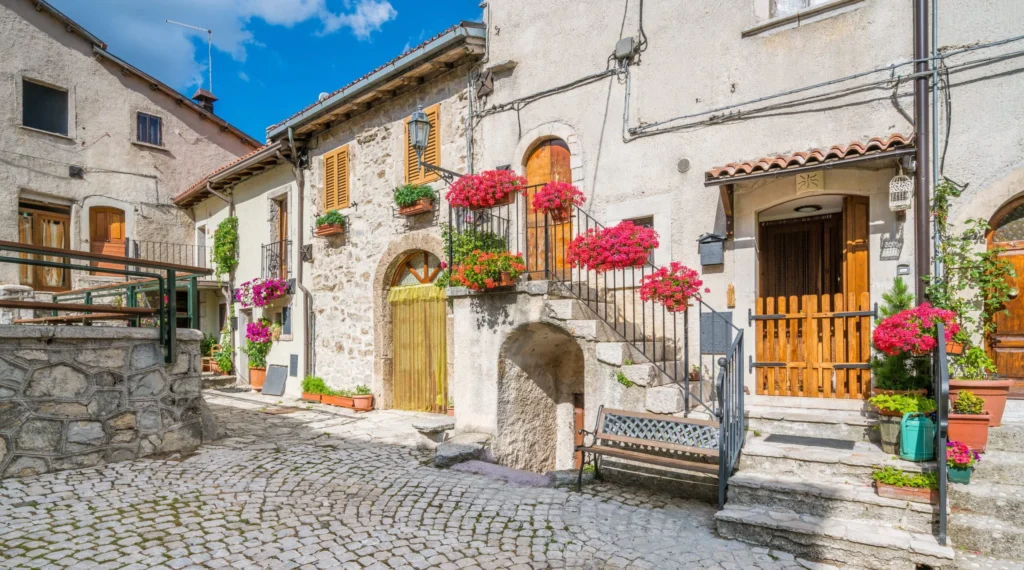
Santo Stefano di Sessanio suits a compact medieval setting; Calascio puts the fortress area closer; Castel del Monte is a separate village towards the plateau. Compare the actual approach, steps, luggage access and parking. A car or booked transfer is useful; check winter road conditions.
Majella access: Sulmona or Caramanico Terme
Sulmona suits town life, rail arrivals and the western valley; Caramanico Terme suits Orfento-area walks. Choose for the park sector you intend to visit. Confirm parking, last-mile transport and trail registration. Do not book on the assumption that thermal treatments or pools are operating.
Pescasseroli, Barrea or Civitella Alfedena
Choose Pescasseroli for a larger park town, Barrea for hilltop and lake views, or Civitella Alfedena for a smaller village setting near park trails. Check the specific trail’s access, village parking and bus return before booking. Wildlife sightings are never assured.
Pescara or Francavilla al Mare
Pescara offers city services and a main rail hub; Francavilla al Mare is a separate seaside base to the south. Both suit coastal days. Check the exact station, walk to the beach, traffic noise and property parking, plus transport for inland excursions.
Ortona or San Vito Chietino
For Trabocchi Coast outings and a checked section of the Via Verde. Ortona’s historic town sits above its station and port, while Lido Riccio and other beaches occupy separate locations. San Vito’s hilltop and marina also differ. Confirm slopes, bike access, parking and the route from the station.
Vasto and its coastal area
The historic town suits culture and sea-view evenings; Marina di Vasto suits a beach-focused stay. Punta Aderci is another outing rather than a doorstep promise. Check the address, station transfer, summer parking and the uphill journey between town and marina.
Search stays in Abruzzo
Parks, mountain landscapes and outdoor activities
A scenic drive, a short marked walk and a demanding mountain route are different outings. Plan for your party’s fitness and experience, the actual ascent and terrain, and current snow and weather. This regional guide does not treat a Corno Grande ascent as routine sightseeing.
Gran Sasso and Campo Imperatore
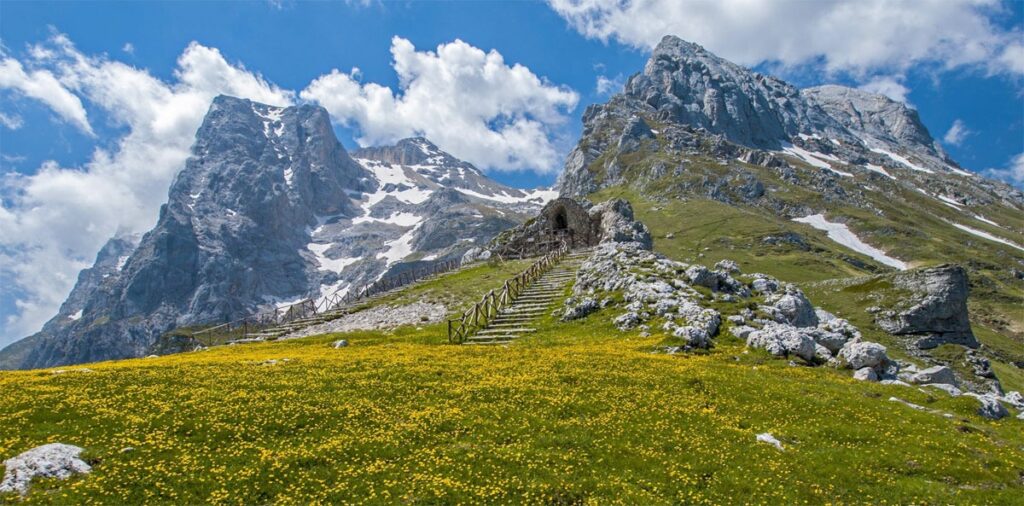
Enjoy the plateau’s landscapes and the villages around Gran Sasso, choosing an accessible viewpoint or a walk that fits the conditions. High ground can be cold, exposed or snow-covered even when the coast is warm. Confirm road and lift operations rather than building a day around an assumed opening. Check official park regulations and local route advice. Gran Sasso and Monti della Laga National Park also extends into Lazio and Marche; these suggestions focus on its Abruzzo approaches.
Majella: choose a valley before a trail
Hermitages around Roccamorice, the Orfento Valley and the Fara San Martino area offer different approaches to the park. Steps, steep ground and exposed passages can change a walk’s suitability. Independent visits to the Orfento reserve require free access registration; check the park’s trail notices for closures and direction rules before setting off.
Forests, lakes and responsible wildlife visits
Pescasseroli, Barrea and Civitella Alfedena offer different starting points on the Abruzzo side of the Abruzzo, Lazio and Molise National Park. A local guide can help interpret habitats and select a permitted route. Bear and wolf sightings are never guaranteed: do not feed, follow, surround or approach animals for a photograph. Follow the park’s visitor code and restrictions for dogs, bikes and sensitive areas.
Sirente-Velino, Marsica and Scanno
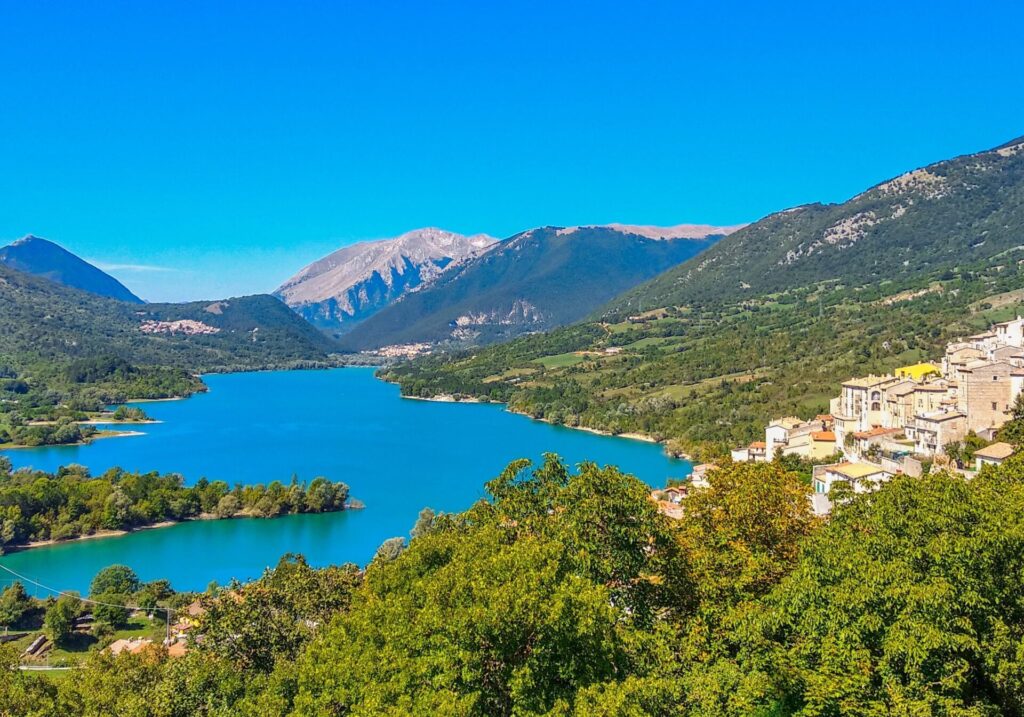
The Sirente-Velino regional park includes upland landscapes around Rocca di Mezzo, Ovindoli and the Piani di Pezza area. Combine a suitable walk with a village visit rather than assuming every plateau route is an easy stroll. Lago di Scanno offers a separate lake-and-village day: the higher heart-shaped view involves a hill route, not a level lakeside promenade.
Carry footwear with grip, water, food, layers, a rain shell, offline mapping and a charged phone. Check the return route before leaving, stay on permitted marked paths and turn back when conditions exceed your preparation.
Historic towns, villages, castles and caves
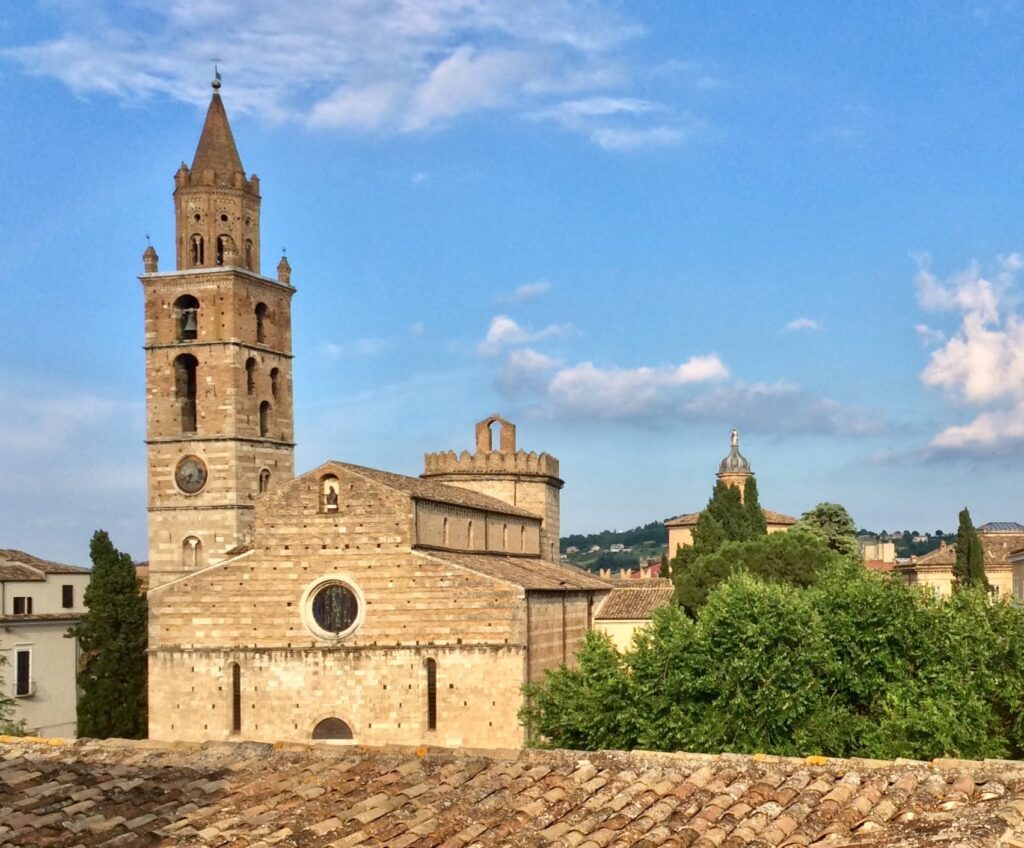
In L’Aquila, explore the historic streets, Basilica di Santa Maria di Collemaggio and the 99 Cannelle fountain. Restoration and local works can affect individual buildings, so check visitor access. Sulmona offers piazzas, its medieval aqueduct and confetti shops; Chieti adds archaeology, while Teramo combines a cathedral visit with Roman remains.
Stone villages and historic landscapes
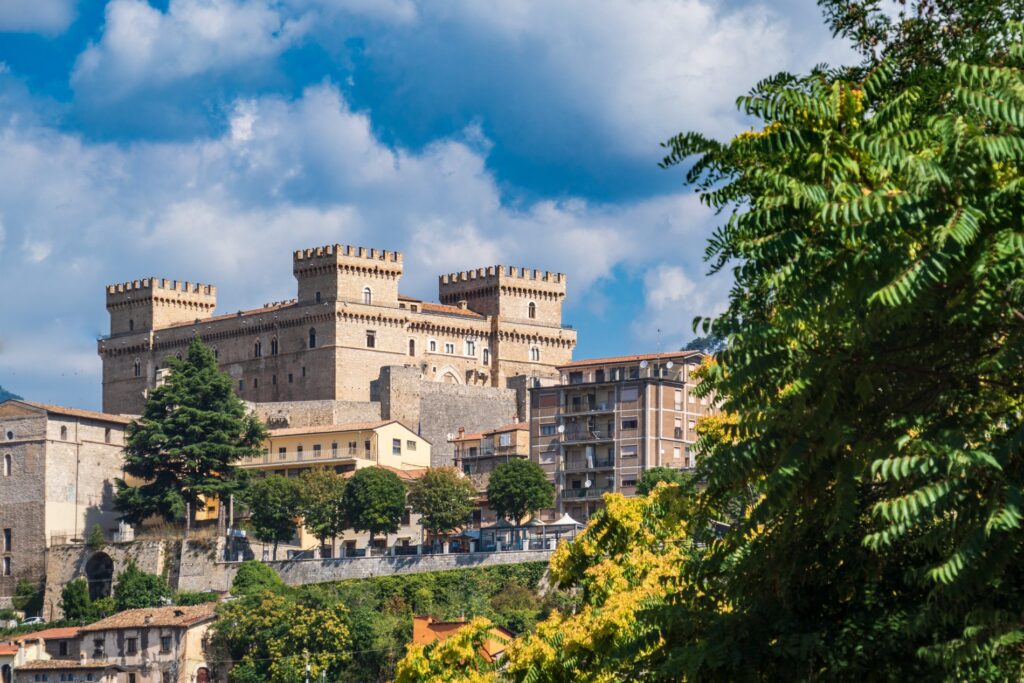
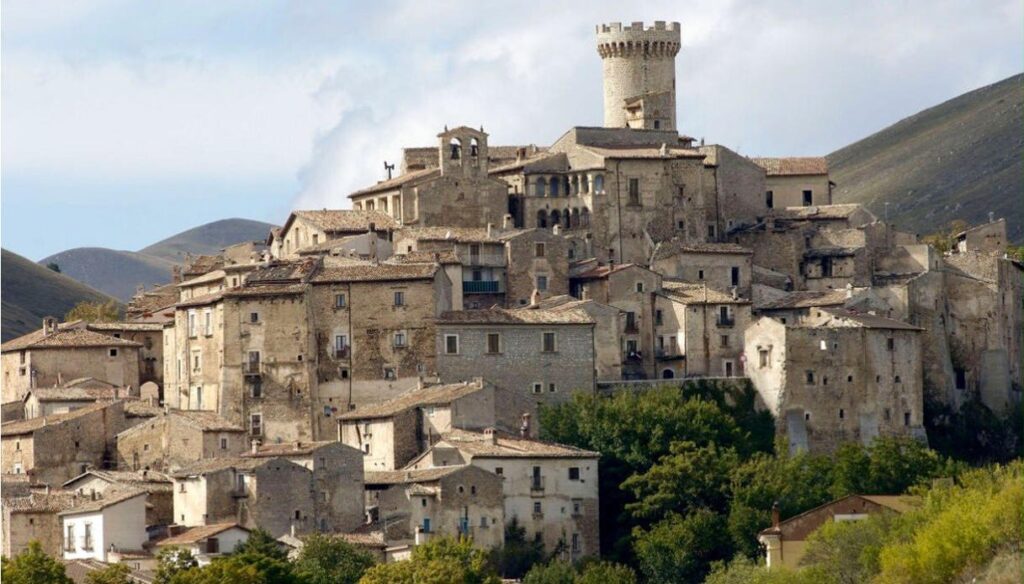
Pair Santo Stefano di Sessanio with Calascio or Castel del Monte when road and local access allow. At Rocca Calascio, leave time for the uphill approach and uneven ground, and return before visibility becomes a problem. Celano’s Castello Piccolomini, the Roman site of Alba Fucens and Civitella del Tronto’s fortress offer different historical outings; check individual opening and access arrangements.
L’Aquila’s Perdonanza Celestiniana is recognised by UNESCO as intangible cultural heritage. This recognises a living tradition, rather than designating the city or basilica as a World Heritage property. Check local programmes for the Perdonanza, Sulmona’s Giostra Cavalleresca and Easter events before planning around them.
Plan cave visits separately
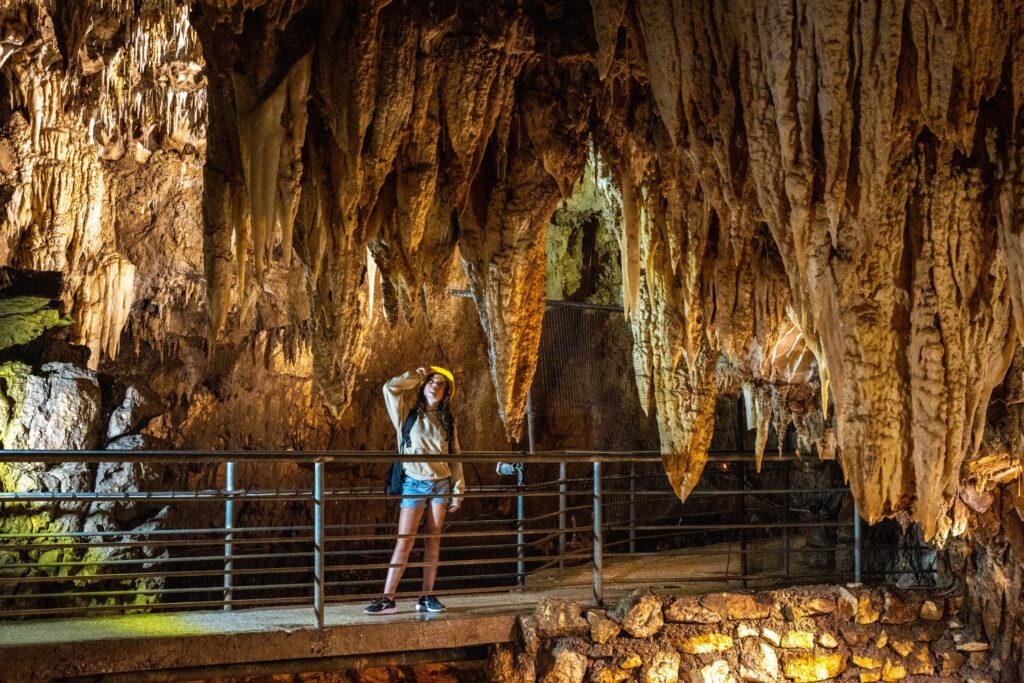
Grotte di Stiffe is a guided underground visit with steps, damp surfaces and a cool environment. Check the official operator for tickets, visit arrangements and suitability for your group; a cave is not an automatic wet-weather fallback if conditions affect access.
Grotta del Cavallone combines a basket-lift approach with a substantial stair climb and a guided cave visit. The operator requires a safety helmet on the approach. Confirm the current lift and cave arrangements, weather limits and your group’s suitability before travelling. Avoid assuming seasonal operations are available on every date.
Trabocchi Coast, beaches and cycling
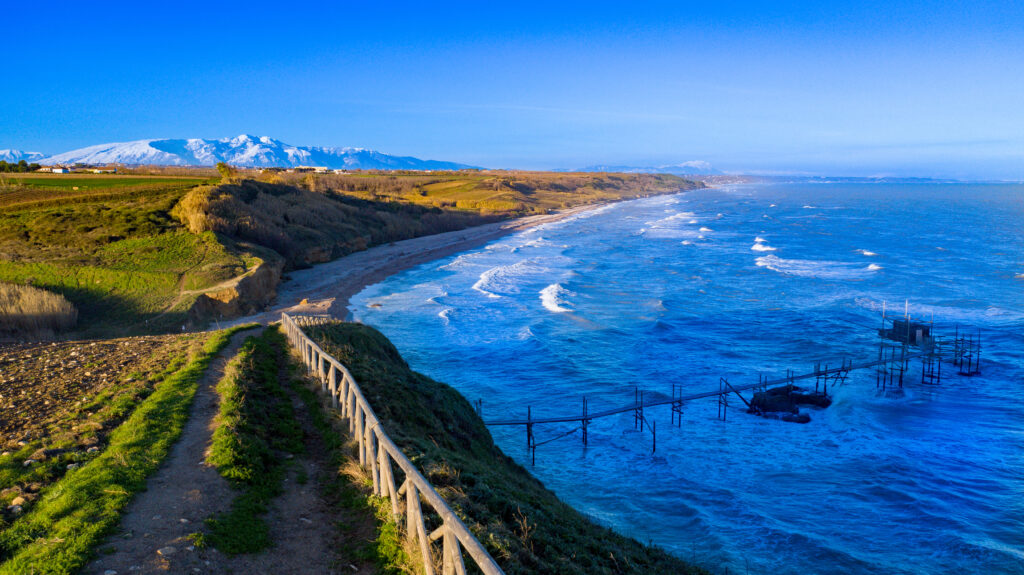
The Trabocchi Coast combines wooden fishing platforms, coves and seaside towns. Some trabocchi operate as restaurants; ask about menus, reservations and access. A visit without dining depends on the individual operator. Ortona’s castle and sea-facing walks, San Vito’s marina, Fossacesia’s abbey area and Vasto’s old town offer breaks from beach time.
Choose a checked section of the Via Verde
The destination’s Via Verde overview describes about 42 km from Ortona station towards Vasto Marina, following the former railway. Treat that as an overview of the route, not a guarantee of continuous access. The Via Verde is part of the wider coastal cycling picture; it is not the same as the region-wide Bike to Coast project.
Consult the local cycle network’s route guidance and municipal notices for your chosen section. Closures, diversions onto roads, access slopes, changing surfaces and tunnel conditions matter. Check a start point, turnaround and return plan with a local operator. For children or inexperienced riders, select a confirmed open section away from traffic rather than assuming the whole coast is suitable.
An out-and-back ride can avoid an uncertain station transfer. If using a train, verify the station’s actual access route and the service’s bicycle rules and capacity. Carry water and sun protection, allow for wind and heat, and slow down around walkers. Do not rely on a published overall distance to plan a timed return.
Pick the beach as carefully as the town
Pescara and Francavilla al Mare suit promenade and sandy-beach days with town services. The northern coast around Silvi and the Torre del Cerrano marine protected area offers a different setting; follow protected-area rules and confirm the facilities at your chosen access point.
Near Ortona, Lido Riccio and Lido Saraceni are separate from the historic centre. San Vito has small coves and rocky stretches. Marina di Vasto offers a beach-town setting, while Punta Penna, Mottagrossa and the Punta Aderci regional nature reserve involve different approaches and levels of service.
Check daily sea conditions, local signs and lifeguard flags. Do not assume calm water, safe swimming, shade or lifeguard cover. Pebbles, steps and unserviced coves can be unsuitable for some visitors; ask about step-free access and facilities where needed.
Food and wine
Try arrosticini, traditionally made with sheep meat, and spaghetti alla chitarra. Mountain menus may feature pecorino, scamorza, ricotta, lamb dishes and soups. Look for saffron from the L’Aquila and Navelli area, and Sulmona’s confetti: sugared almonds often arranged as colourful flowers.
Along the coast, look for fish stews, pasta with seafood and local daily catches. Compare a trabocco restaurant’s menu and booking terms in advance, and ask about dietary needs rather than assuming every kitchen can accommodate them.
Montepulciano d’Abruzzo is an Abruzzo wine made from the Montepulciano grape; the name does not refer to the Tuscan town of Montepulciano. Other local choices include Trebbiano d’Abruzzo, Pecorino, Cococciola and Passerina. Book winery visits and arrange a driver or transfer if you plan to taste.
Winter holidays
Roccaraso and the Alto Sangro area, Campo Felice and Ovindoli–Monte Magnola are options to research for a ski holiday. Choose one area and check its operator’s live lift and piste reports, lessons, rental arrangements and road access for your dates. Snow, snowmaking and open runs are never guaranteed.
Campo Imperatore, Prati di Tivo and the Passolanciano–Majelletta area have their own operating arrangements; do not assume a sightseeing lift, ski service or summer activity is available. Keep L’Aquila or Sulmona culture and food days as alternatives. Snowshoeing still requires a suitable route, equipment and current mountain advice.
Check winter equipment requirements, road restrictions and the forecast before driving inland. Allow for slow mountain journeys and daylight. A seasonal beach itinerary cannot simply be replaced by visits to several ski areas in one day.
Local experiences to consider
These offers contain affiliate links. We may earn a commission at no extra cost to you.
Guided walks and outdoor experiences
Compare guided walks and outdoor experiences in Abruzzo. Check each activity’s location, meeting point, terrain, duration, language and transfer arrangements before choosing an outing.
Winery visits and local tastings
Explore winery visits and local tastings in Abruzzo. Confirm the producer’s location, tasting inclusions, language and return transport before booking.
Suggested itineraries
These options assume full sightseeing days and overnight stays near the named area. They are starting points, not minimum stays. The main routes below assume a car or prearranged transfers; allow separate time for arrival, departure and weather changes.
3 days: stay in one area
Gran Sasso option — sleep in L’Aquila or one Gran Sasso village throughout. Spend day 1 in L’Aquila, day 2 around Santo Stefano di Sessanio and Rocca Calascio, and day 3 at Campo Imperatore if access and conditions permit. Choose sightseeing and a suitable marked walk; keep a town or museum day as an alternative.
Coast option — sleep in Ortona or San Vito Chietino throughout. Use day 1 for your base and seafront, day 2 for a checked Via Verde section, and day 3 for Fossacesia or another nearby coastal stop. A car-free version needs a hotel with a practical station route, confirmed local connections and a manageable out-and-back ride.
7 days: one mountain base and one coastal base
Days 1–3: L’Aquila or a Gran Sasso village. Mix the city, villages and one weather-dependent plateau outing. Day 4: move to Ortona or San Vito Chietino, making the transfer the main journey of the day. Days 5–7: keep the same coastal base for a checked ride, nearby beaches, Fossacesia and a slower local day. Treat Vasto as an optional separate outing if the travel fits your pace.
10 days: add one more park or valley
Days 1–3: L’Aquila/Gran Sasso; days 4–6: Sulmona; days 7–10: Ortona or San Vito Chietino. From Sulmona, focus on the Peligna Valley and one suitable Majella sector, keeping a flexible day. Alternatively, replace the Sulmona stay with Pescasseroli or Barrea for the Abruzzo, Lazio and Molise National Park. Choose one addition rather than trying to cover both.
Car-free alternatives
Base a short trip in Pescara, with rail-served coastal outings selected from the current Trenitalia Abruzzo connections. For a week, consider Pescara plus Sulmona if the actual services suit your dates; book transfers or guided outings for remote landscapes. L’Aquila is another town-based option with planned onward journeys. Moving between inland parks is not as simple as following the coastal railway. In winter, choose one operating resort and arrange transport specifically for it.
Getting there and around
Arriving by air or rail
Abruzzo Airport serves Pescara. Check your flight and the complete airport-to-base connection before booking. Trenitalia’s Abruzzo travel page describes Pescara Airlink and rail-plus-bus options for towns including Sulmona and L’Aquila; confirm operating days and the last connection for your arrival.
The Adriatic railway links coastal towns; inland services connect selected towns rather than park trailheads. Check Trenitalia and TUA for your exact date, stopping pattern and any replacement buses. Stations can be outside the historic centre. Do not rely on advertised future infrastructure improvements when planning today’s journey.
Driving and parking
From the Rome direction, the A24 runs towards L’Aquila and Teramo; the Gran Sasso tunnel is on the A24. The A25 branches towards Avezzano, Sulmona and Pescara. Check Strada dei Parchi traffic notices before travel. Mountain roads can be winding, narrow or seasonally restricted; a short map distance can take longer than expected.
Ask your host for the permitted approach and confirmed parking, especially in ZTL restricted centres and small villages. Allow time to walk from signed parking areas. A hotel reservation does not automatically authorise driving through a restricted zone.
If a car fits your route, compare rental-car options. This existing affiliate link opens Booking.com’s car-rental search; select the actual collection and return locations and check the complete terms, deposit, equipment and any one-way fee. We may earn a commission at no extra cost to you.
Plan the last part of each journey
Use TUA and the relevant local operator for bus timetables, including Sundays, holidays and seasonal routes. Confirm a return before leaving for a village. For cycling, check the specific train’s bicycle policy and capacity in Trenitalia’s Abruzzo travel information. A coastal station may still involve roads, slopes or a transfer to the beach or cycle route.
Abruzzo orientation map
Use the map for orientation, then check the exact roads, stations and access points for your journey.
Practical information and responsible visits
Choose the season for the activity
Spring and autumn can suit towns, food trips and lower-level walks when conditions allow. They do not establish that high mountain routes are clear of snow or safe. Summer brings longer days and coastal demand, but also heat and mountain storms. Winter plans depend on current weather and operations.
Families, accessibility and booking checks
Ask about the actual entrance-to-room route, lift, bathroom and parking arrangements. Confirm cave steps, village gradients, trail surfaces and beach access with the operator. Choose a serviced town beach or short local outing when a remote cove or mountain walk does not fit your group.
Costs, connectivity and preparation
Prices vary by location, dates and events. Compare transport, parking, meals, fees and cancellation conditions alongside the room rate. Keep some cash for small businesses. Download maps and tickets before park days, carry a charged phone and avoid relying on mobile coverage in remote valleys.
Leave space for nature and local life
Keep to permitted paths, take litter away and respect fire restrictions. Never feed or approach wildlife, and follow the park’s rules for dogs and cycling. Choose local guides and producers where possible, respect village quiet hours and private land, and refill only where water is marked drinkable. For urgent help, call 112.
For a first Italy trip, choose a few bases and check the journeys between them before booking. If combining Abruzzo with the capital, use the existing Rome guide for the city portion.
More Abruzzo guides
Explore more Abruzzo towns, villages and natural sights to add near your chosen base.


Abruzzo FAQs
How many days should I spend in Abruzzo?
Consider 3 days for one area, a week for a mountain and coastal base, or about 10 days to add another park or valley. Allow separately for arrival, departure and weather changes.
Should I choose a mountain or coastal base?
Choose the mountains for parks and villages, or the coast for beaches and seaside towns. For a mixed week, plan a base change rather than crossing the region every day.
Can I visit without a car?
Yes, particularly in rail-served coastal towns and selected inland centres. Check the exact timetable, station-to-hotel journey and last return. Arrange a transfer or suitable guided outing for remote trailheads.
Which base suits the national parks?
L’Aquila and Gran Sasso villages serve the Gran Sasso area; Sulmona and Caramanico Terme offer different Majella approaches; Pescasseroli, Barrea and Civitella Alfedena serve the Abruzzo side of the Abruzzo, Lazio and Molise National Park. No one base serves them all equally.
When should I visit for walking, beaches or winter activities?
Match the dates to the activity and elevation. Lower walks may suit spring or autumn, while higher routes need specific snow and weather checks. Summer suits beach holidays; winter sports depend on current conditions and operating lifts.
What should I check before a Via Verde ride or park visit?
Check official access notices, weather, the exact route and return transport. Cycling sections can have closures, road diversions and changing surfaces. Park visits may need registration, reservations or a permitted route; choose for your group’s ability.
Plan your Abruzzo holiday
Start with the area you most want to explore, choose a practical base and leave time between outings. A village day, a suitable park visit and time on the Adriatic can make a rewarding trip without trying to see every corner.

