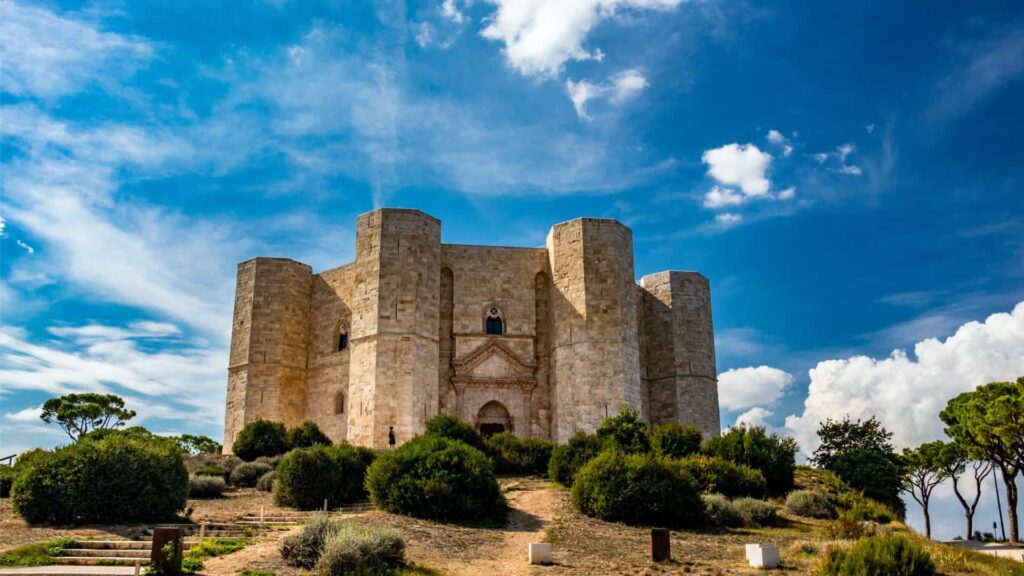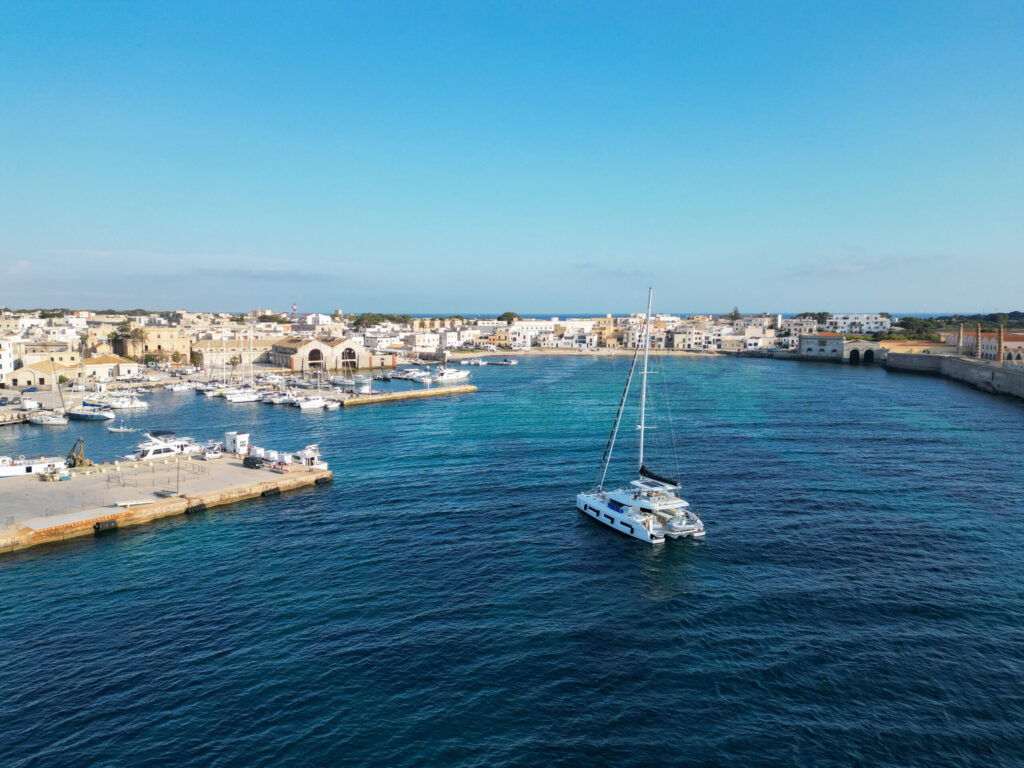
Italy’s Etruscan heritage is concentrated across northern Lazio, Tuscany, western Umbria and part of Emilia-Romagna. Unlike Pompeii or Ostia Antica, many Etruscan sites are not preserved as complete cities. Their most powerful remains are monumental tombs, painted burial chambers, rock-cut roads, city gates and museum collections filled with sculpture, jewellery and decorated pottery.
For a first Etruscan trip, start with the UNESCO-listed necropolises of Cerveteri and Tarquinia. Cerveteri is best for tomb architecture that recreates houses and streets. Tarquinia is the stronger choice for painted tombs and funerary art.
Travellers with more time can continue to Vulci, Sovana, Orvieto, Chiusi, Volterra and Populonia. A car makes this wider route much easier, but Rome, Orvieto and Marzabotto offer useful options for travellers relying on trains.
Jump to
ToggleQuick Planning Answer
- Best first Etruscan sites: Cerveteri and Tarquinia
- Best for painted tombs: Tarquinia
- Best for monumental burial architecture: Cerveteri
- Best archaeological landscape: Vulci
- Best coast-and-history combination: Populonia and the Gulf of Baratti
- Best for rock-cut routes: Sovana and the Vie Cave
- Best city and museum combination: Volterra
- Best without a car: Rome, Orvieto and Marzabotto
- Recommended time: one full day for a major site and museum, three days for northern Lazio, or seven days for a wider road trip
- Best general time: April to June and September to October
- Main practical issue: tomb access, opening days and archaeological paths can change, so check official information before travelling
Where Are the Main Etruscan Sites in Italy?
The Etruscans developed a network of independent cities across central Italy. Their heartland covered much of modern Tuscany, northern Lazio and western Umbria.
Important centres also developed beyond this core area. Marzabotto, known in antiquity as Kainua, shows Etruscan expansion into the Reno Valley south of Bologna.
The strongest groupings for travellers are:
- Northern Lazio: Cerveteri, Tarquinia and Vulci
- Southern Tuscany and Maremma: Sovana, Pitigliano, Sorano and Vetulonia
- Central Tuscany: Volterra, Cortona and Chiusi
- Etruscan Coast: Populonia and the Gulf of Baratti
- Western Umbria: Orvieto
- Emilia-Romagna: Marzabotto
A complete Etruscan route should mix outdoor archaeology with museums. Many original objects were removed from tombs for conservation and are now displayed in nearby collections.
Are Etruscan Sites Worth Visiting?
Etruscan sites are especially rewarding for travellers interested in pre-Roman Italy, burial customs, ancient art and the development of Italian cities.
They offer a different experience from better-known Roman ruins. At Cerveteri, tomb chambers preserve architectural details inspired by homes. At Tarquinia, painted walls show banquets, musicians, animals and scenes connected with the afterlife. At Marzabotto, streets and building foundations reveal how an Etruscan city was planned.
These sites suit culture-focused couples, independent road-trippers and families with older children. They are less suitable for visitors expecting large standing monuments at every stop.
Several necropolises involve steps, uneven paths and low-light interiors. Summer heat can also make exposed archaeological areas tiring.
Which Etruscan Site Should You Choose?
Choose Cerveteri for monumental tumuli, tomb chambers and the feeling of walking through an ancient city of the dead.
Choose Tarquinia for painted tombs and one of the strongest Etruscan museum collections in Italy.
Choose Vulci for a large archaeological landscape combining city remains, trails, water and the dramatic Ponte della Badia.
Choose Populonia for archaeology beside the Tyrrhenian Sea and a clear connection between Etruscan trade, iron production and the coast.
Choose Sovana for temple-shaped tombs and the Vie Cave, deep routes cut through volcanic tuff.
Choose Volterra for an Etruscan gate, city walls, an important museum and a lively hill-town base.
Choose Orvieto for the easiest combination of Etruscan archaeology and a car-free Italian city break.
Choose Marzabotto to understand Etruscan urban planning rather than burial architecture.
Best Etruscan Sites in Italy
1. Banditaccia Necropolis, Cerveteri
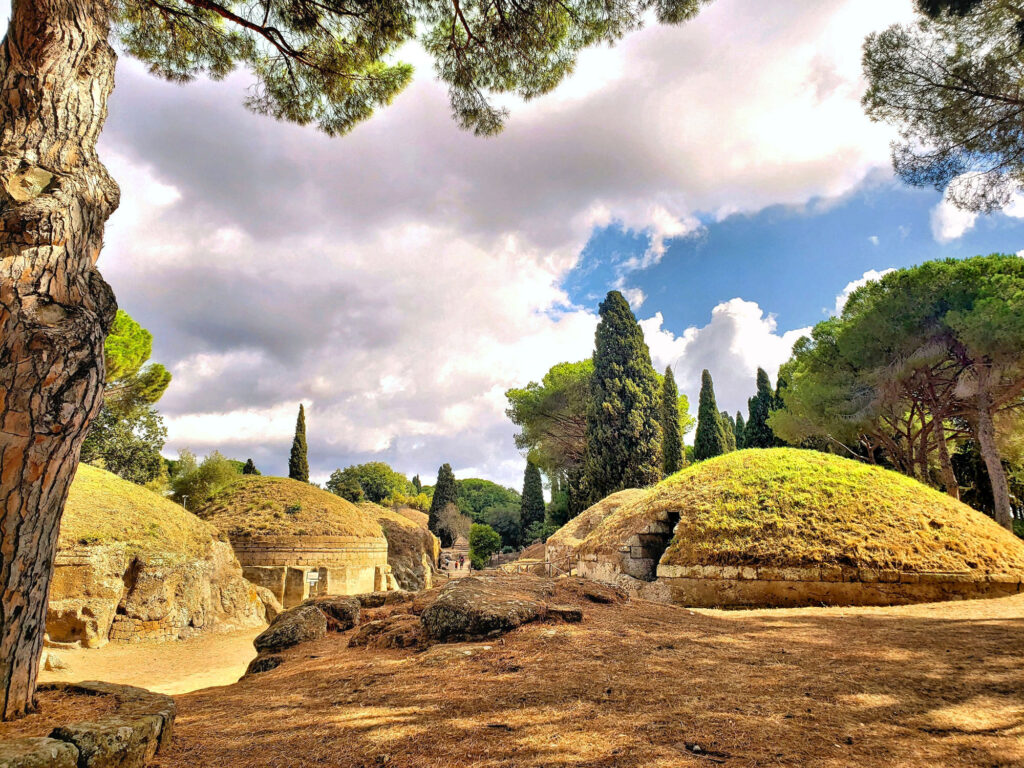
The Necropoli della Banditaccia is one of the best places to understand Etruscan funerary architecture. Thousands of tombs were organised along roads, smaller lanes and burial areas resembling neighbourhoods.
The most distinctive tombs are carved into tuff and designed like houses. Visitors can see chambers, stone beds, roof beams, doorways and domestic details reproduced in rock. These features provide valuable evidence of Etruscan residential architecture, which has largely disappeared from the cities of the living.
Large circular tumuli dominate the older parts of the necropolis. Later areas contain more regular rows of cube-shaped tombs.
Allow at least half a day for the main route. Add the Museo Archeologico Nazionale Cerite in central Cerveteri to see objects recovered from local tombs and settlements.
The famous Tomba dei Rilievi contains painted stucco representations of weapons, tools, household objects and mythological figures. Interior access is normally restricted and may require a special guided opening. Do not build a visit around entering this particular tomb unless current access is confirmed.
Cerveteri works well for families because the outdoor layout feels exploratory. However, some tomb entrances and paths remain uneven.
2. Monterozzi Necropolis and Tarquinia Museum
Tarquinia’s Monterozzi Necropolis is the best Etruscan site in Italy for painted tombs. Thousands of graves were cut into the rock, while a smaller group received elaborate wall paintings.
Visitors enter selected tombs using individual staircases. Protective doors or glass separate the viewing area from the decorated chamber, helping preserve the paintings.
The scenes are remarkably varied. Banquets, dancers, musicians, athletes, horses and animals offer rare visual evidence of Etruscan beliefs and social life. Later paintings introduce a darker world of demons and journeys into the afterlife.
Only a selection of tombs is normally open. The available route can change because of conservation work, maintenance and weather conditions.
Continue to the Museo Archeologico Nazionale di Tarquinia in Palazzo Vitelleschi. Its collections include sarcophagi, decorated pottery, funerary objects and the famous Winged Horses from the Ara della Regina temple.
The necropolis and museum together require most of a day. Tarquinia’s historic centre also deserves time for its towers, medieval lanes and viewpoints.
3. Vulci Archaeological and Nature Park
Vulci offers one of the broadest Etruscan experiences in Italy. It was an important Etruscan city before continuing into the Roman period, so the archaeological remains cover several historical layers.
Walking routes pass ancient roads, public buildings, residential areas and ongoing excavations. The landscape around the Fiora River adds woodland, open countryside and the small Lago del Pellicone.
The Ponte della Badia is the visual landmark of the park. The bridge crosses the gorge below the Castello della Badia, which houses the National Archaeological Museum of Vulci.
Vulci is best for travellers who want archaeology to feel like a full outdoor day rather than a short museum stop. It also suits families prepared for a longer walk.
The site is spread out and has little practical value as a public-transport day trip. A car is strongly recommended. Bring water, sun protection and shoes with grip.
The celebrated François Tomb was discovered at Vulci, but its painted scenes are not viewed inside the original tomb during a normal park visit. Check the current display at the National Etruscan Museum of Villa Giulia in Rome if these frescoes are a priority.
4. Baratti and Populonia Archaeological Park
Populonia was a major Etruscan coastal centre closely connected with maritime trade and iron working. Its position above the Gulf of Baratti makes it one of the most scenic archaeological areas on the route.
The park is divided into distinct zones. The lower area contains the San Cerbone and Le Grotte necropolises, quarry landscapes and evidence of metal production. The higher section includes the acropolis, temples, Roman remains and wide views across the gulf.
San Cerbone is known for monumental mound and aedicula tombs. Le Grotte combines rock-cut burials with former quarry faces and a more wooded setting.
Do not treat Populonia as a quick stop. The separate areas, trails and seasonal conditions require planning. A full visit can occupy most of the day, especially when the acropolis and more than one necropolis are included.
The Archaeological Museum of the Territory of Populonia in Piombino provides additional context through finds, reconstructions and multimedia displays.
Populonia is particularly good for couples and families combining culture with the Tuscan coast. In summer, parking around Baratti becomes much busier because the gulf is also a popular beach destination.
5. Sovana Necropolis and the Vie Cave
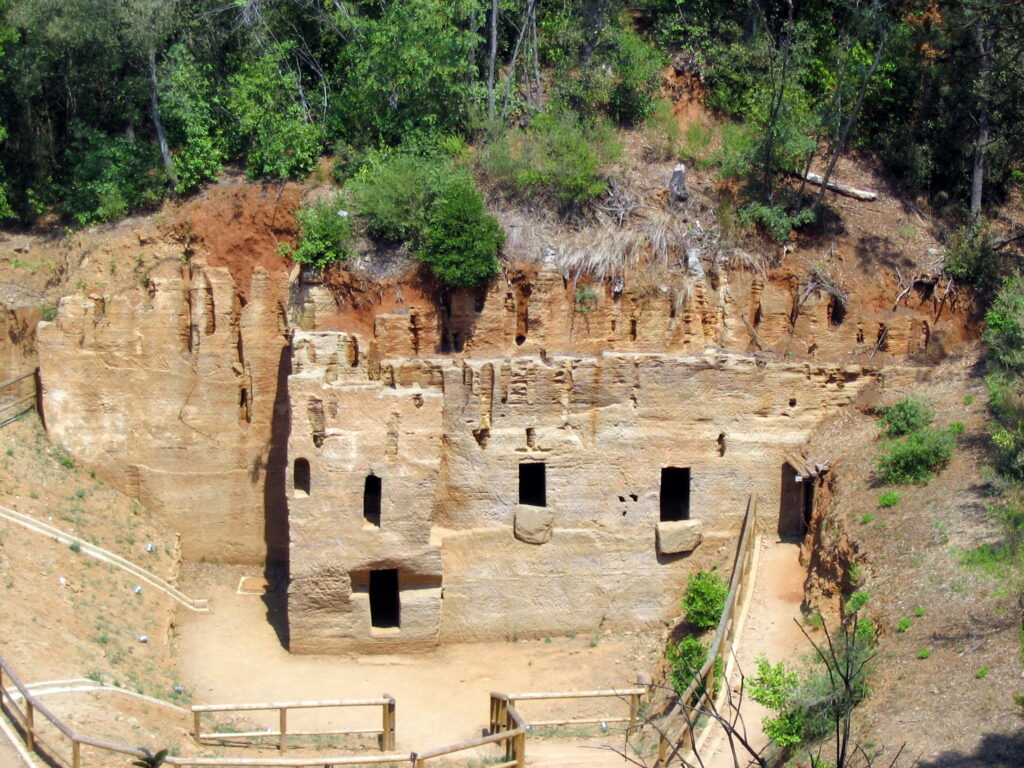
The Città del Tufo Archaeological Park near Sovana presents Etruscan archaeology within a landscape of volcanic rock, woodland and deep-cut paths.
Its best-known monument is the Tomba Ildebranda. The tomb’s façade was designed to resemble a temple, although much of its original architectural decoration has been lost.
Other burial monuments include the Tomba della Sirena and Tomba del Tifone. The experience is less formal than Cerveteri and feels closely connected with the surrounding Maremma landscape.
The Vie Cave are the area’s signature feature. These routes were cut deeply into the tuff, sometimes between very high rock walls. Their exact functions remain debated, but they connected settlements, burial areas and parts of the surrounding territory.
Wear proper footwear. Fallen leaves, mud and wet stone can make the paths slippery after rain. Sections may also close because of maintenance or unsafe conditions.
A car is the practical way to visit. Sovana, Sorano and Pitigliano make a natural two-day combination, but avoid trying to walk several long Vie Cave routes and tour the necropolis in one rushed afternoon.
6. Volterra
Volterra is one of the easiest places to combine Etruscan history with a complete Tuscan hill-town stay.
The Porta all’Arco is the city’s most visible Etruscan monument. Its massive stone jambs formed part of the ancient walls, while three weathered heads remain set above the arch.
Further traces survive around the city walls and acropolis. However, the Museo Etrusco Guarnacci provides the fullest account of Etruscan Volterra.
The museum is particularly known for its large collection of funerary urns. Its most recognisable object is the slender bronze figure called Ombra della Sera, or Shadow of the Evening.
Volterra suits travellers who want archaeology without devoting an entire holiday to remote sites. The museum, gate, Roman theatre, medieval centre and alabaster workshops fit comfortably into a one-day visit or relaxed overnight stay.
There is no railway station in Volterra. Buses connect the town with surrounding transport hubs, but a car offers more flexibility. The historic centre has traffic restrictions, so use signed parking outside the central ZTL.
7. Orvieto and the Crocifisso del Tufo Necropolis
Orvieto is widely associated with the important Etruscan centre of Velzna. Its archaeological remains are spread across the cliff, the lower slopes and museums in the historic centre.
At the foot of the rock lies the Necropoli del Crocifisso del Tufo. Its rectangular tombs are arranged along an orderly street plan. Etruscan family names carved above entrances make the site especially valuable for understanding local society.
In Piazza del Duomo, the Museo Claudio Faina contains Etruscan, Greek and Roman objects. The nearby National Archaeological Museum adds finds from Orvieto and the surrounding territory.
Orvieto works well without a car. The railway station below the town connects with the upper centre by funicular and local transport. Reaching the necropolis can still involve a steep descent or additional local transport, so check the most suitable route before starting.
Allow a full day for the necropolis, one museum and the historic centre. Stay overnight if the cathedral, underground routes and wider town are also priorities.
8. Chiusi
Ancient Chiusi, known as Clusium in Latin, became one of the major Etruscan centres of inland Tuscany. Today, the strongest starting point is the Museo Nazionale Etrusco di Chiusi.
Its displays include bucchero pottery, decorated ceramics, funerary sculpture, anthropomorphic canopic urns, sarcophagi and objects from local burial grounds.
Several important painted tombs lie outside the town, including the Tomba della Scimmia. Access has often depended on guided visits, reservations, staffing and conservation conditions. At times, the tombs have been closed entirely.
Confirm current access before travelling specifically for an underground tomb. The museum remains worthwhile even when the external burial chambers are unavailable.
Chiusi is one of the more practical Etruscan bases for train travellers. Chiusi-Chianciano Terme station is on a major rail corridor, although local transport or a taxi is needed to reach the old town and outlying sites.
It can also serve as a less expensive base for southern Tuscany, Lake Trasimeno and the Valdichiana.
9. Cortona and the Sodo Archaeological Area
Cortona combines an important museum with burial monuments below its hilltop centre.
The MAEC, the Museum of the Etruscan Academy and the City of Cortona, holds one of Tuscany’s strongest Etruscan collections. The bronze Etruscan chandelier is its signature object.
Below the town, the Sodo Archaeological Area contains two large burial mounds called Meloni. The second tumulus is distinguished by a monumental stepped structure interpreted as an altar platform.
The museum and archaeological area are in separate locations. A car, taxi or guided visit simplifies the combination.
Cortona is a good choice for couples and culture travellers who want archaeology within a broader Tuscan itinerary. It also connects naturally with Lake Trasimeno, Arezzo and the Valdichiana.
10. Marzabotto and the Ancient City of Kainua
Marzabotto is different from the tomb-focused sites of Lazio and Tuscany. Its main value is the planned city of Kainua.
The archaeological area preserves a street grid, residential blocks, workshops, temples and an acropolis. This helps visitors understand Etruscan urban organisation and everyday activity.
The Museo Nazionale Etrusco Pompeo Aria stands beside the site. Its displays explain the city, religious areas, domestic life and the wider Reno Valley.
The ruins are less visually dramatic than Tarquinia’s paintings or Cerveteri’s tumuli. Interpretation is therefore important, and the museum should not be skipped.
Marzabotto can be reached by regional train from Bologna. This makes it one of the best car-free options, although opening days can be limited and change with staffing. Check both train connections and current visitor hours before departure.
11. National Etruscan Museum of Villa Giulia, Rome
Villa Giulia is a museum rather than an archaeological site, but it is the best introduction to Etruscan art for travellers staying in Rome.
Its collections bring together major finds from Cerveteri, Veii, Vulci and other centres. Key works include the Sarcophagus of the Spouses and the Apollo of Veii.
The museum is particularly useful before visiting Cerveteri or Vulci. It explains the religious imagery, burial traditions, trade connections and craftsmanship that can be difficult to understand from outdoor ruins alone.
Displays may move during restoration or gallery works. Check current access if one specific masterpiece is the main reason for visiting.
Cerveteri or Tarquinia: Which Is Better?
Cerveteri and Tarquinia share one UNESCO listing, but they should not be treated as interchangeable.
Choose Cerveteri to walk among tumuli, enter house-like chambers and understand how Etruscan tomb architecture developed. Much of the experience takes place above ground in an open archaeological landscape.
Choose Tarquinia to descend into individual tomb entrances and view painted chambers. The museum is also larger and more important for travellers focused on funerary art.
Cerveteri is usually more engaging for families and visitors who enjoy exploring physical spaces. Tarquinia is stronger for art lovers and travellers prepared for repeated stairways.
Seeing both gives the clearest first introduction. However, combining both necropolises and both museums in one day is too rushed for most visitors. Give each town its own day whenever possible.
How Long Should You Spend?
A single major Etruscan site needs more time than a quick roadside stop.
- Two to three hours: one museum or the main route through one necropolis
- Half day: Cerveteri’s Banditaccia or Tarquinia’s necropolis without the town museum
- One full day: necropolis, museum and historic centre
- Three days: Cerveteri, Tarquinia and Vulci
- Five to seven days: northern Lazio, southern Tuscany and Orvieto
- Nine or more days: add Chiusi, Cortona, Volterra and Populonia
Museum fatigue can be as significant as walking fatigue. Alternate tombs, landscapes and historic towns rather than scheduling several archaeological museums consecutively.
Etruscan Itinerary Ideas
One Day from Rome
For the easiest cultural day, choose one destination.
Cerveteri plan: Visit Banditaccia in the morning, continue to the Cerite museum and finish in the historic centre.
Tarquinia plan: Start at Monterozzi, visit the National Archaeological Museum after lunch and walk through the medieval centre.
A guided excursion or private transfer removes the last-mile public transport problem. Browse guided Etruscan tours from Rome when convenience matters more than keeping costs as low as possible.
Three-Day Northern Lazio Route
Day one: Cerveteri necropolis and museum.
Day two: Tarquinia necropolis, museum and historic centre.
Day three: Vulci Archaeological and Nature Park, followed by an overnight stay near Tarquinia, Montalto di Castro or Lake Bolsena.
This is the strongest short itinerary for first-time visitors. It combines architecture, painting, museum collections and an open archaeological landscape.
Seven-Day Central Italy Road Trip
Day one: National Etruscan Museum of Villa Giulia in Rome.
Day two: Cerveteri and the Cerite museum.
Day three: Tarquinia and Palazzo Vitelleschi.
Day four: Vulci, then continue towards southern Maremma.
Day five: Sovana Archaeological Park and one Vie Cave route.
Day six: Orvieto’s Crocifisso del Tufo Necropolis and Museo Claudio Faina.
Day seven: Chiusi or Cortona, depending on tomb access and onward travel.
Add two or three more days for Volterra and Populonia. This coastal extension is best with a car and works particularly well from late spring to early autumn.
Where to Stay for an Etruscan Trip
Rome for First-Time Visitors Without a Car
Rome offers the widest accommodation choice and direct access to Villa Giulia. Organised day trips can cover Cerveteri or Tarquinia without collecting a rental car in the city.
The trade-off is lost time travelling back to Rome after each archaeological day.
Cerveteri or Ladispoli for Banditaccia and the Coast
Stay in Cerveteri for the necropolis, local atmosphere and a quieter evening. Choose Ladispoli for railway access, more accommodation and an easy coastal break.
This area suits families and travellers starting or ending a trip at Rome Fiumicino Airport.
Tarquinia for the Best Northern Lazio Base
Tarquinia is the most useful archaeology-focused base. The necropolis, museum and historic centre fill one day, while Vulci and the Lazio coast become realistic additions.
Stay inside or close to the old town for evening atmosphere. Choose accommodation outside the restricted centre if parking is the priority.
Check stays in Tarquinia if the UNESCO tombs and northern Lazio form the core of the trip.
Pitigliano, Sovana or Sorano for Southern Maremma
Sovana is closest to its archaeological park but has limited evening choice. Pitigliano offers more restaurants and a livelier base. Sorano suits travellers looking for a quieter tuff-town stay.
Countryside agriturismo accommodation works well for couples, families and road-trippers who want easy parking.
Orvieto for a Car-Free Cultural Stop
Orvieto is the strongest overnight base for travellers using trains. The historic centre offers restaurants, museums and evening atmosphere after day visitors leave.
Staying on the upper plateau is most convenient for the centre. Accommodation near the station can be less expensive but requires using the funicular or local transport.
Chiusi or Cortona for the Valdichiana
Choose Chiusi for rail connections, easier regional driving and generally practical accommodation. Choose Cortona for a more atmospheric old town and a wider choice of restaurants.
Cortona is better for couples. Chiusi is often more convenient for budget travellers and multi-stop journeys.
Volterra or Baratti for a Tuscany Extension
Volterra works best for a hill-town stay with museums and evening walks. Baratti, Populonia or Piombino are better for travellers combining archaeology with beaches and coastal scenery.
Summer accommodation near the Gulf of Baratti should be arranged early because beach demand affects the entire area.
Getting Around the Etruscan Sites
By Car
A car is the best option for Vulci, Sovana, Populonia and multi-day routes across southern Tuscany.
Avoid collecting a car until leaving central Rome. Driving and parking inside the capital adds little value.
Historic centres such as Volterra, Orvieto, Cortona, Pitigliano and Tarquinia have restricted traffic zones. Follow official parking signs instead of allowing navigation software to lead directly to accommodation inside a ZTL.
Many archaeological parks have separate visitor parking outside the historic centres. Conditions and capacity can change during summer weekends and events.
Compare car rental options for central Italy if the itinerary includes Vulci, Sovana and Populonia.
By Train and Bus
Rome provides rail access towards the Lazio coast, but Cerveteri and Tarquinia both require attention to the final connection.
For Cerveteri, trains serve Ladispoli-Cerveteri station. Continue by local bus or taxi towards the town and necropolis.
Tarquinia railway station is outside the hill town. Check the current local bus connection or arrange a taxi in advance.
Orvieto and Marzabotto are the most straightforward rail-based choices. Chiusi also has a useful station, although the archaeological attractions are not beside it.
Volterra, Sovana, Vulci and Populonia are much less convenient without a car.
Tickets, Tomb Access and Reservations
Opening patterns vary between archaeological parks, museums and individual tombs. A museum can be open while an associated necropolis is closed.
Check before travelling for:
- weekly closing days
- seasonal opening hours
- last admission times
- weather-related archaeological park closures
- guided-only tomb access
- temporary conservation work
- separate tickets for museums and necropolises
- parking and shuttle arrangements
Do not assume that every famous named tomb can be entered. Some are visible only from protected viewing points, while others open on limited guided dates.
Large parks such as Populonia may stop admitting visitors to longer routes well before the main closing time.
Best Time to Visit
Spring
April, May and early June offer the best balance of mild weather, green landscapes and comfortable walking conditions.
Rain can affect tuff paths, tomb entrances and the Vie Cave. Check conditions after prolonged wet weather.
Summer
Summer provides long days but brings heat to exposed sites. Start early, carry water and use sun protection.
Baratti and Populonia become busier because archaeological visitors share roads and parking with beach traffic. Some parks offer seasonal events or later visits, but schedules should be confirmed.
Autumn
September and October are excellent for northern Lazio, Maremma and inland Tuscany. Temperatures are usually more comfortable, while accommodation pressure can be lower than in summer.
Wet leaves and mud can make wooded paths slippery later in the season.
Winter
Winter suits museum-focused trips to Rome, Tarquinia, Volterra and Orvieto. Outdoor parks may operate reduced schedules, and weather can close paths or necropolises.
Use flexible plans that pair an outdoor site with an indoor museum.
Visiting Etruscan Sites with Children
Cerveteri is usually the easiest major necropolis for families. Its roads, tumuli and house-shaped interiors give children physical spaces to explore.
Marzabotto can work well when combined with its museum and digital interpretation. Populonia offers variety, but the distances between areas require more planning.
Tarquinia suits older children who are interested in art. Repeated stairways and viewing tombs through protective doors may be tiring for younger visitors.
Pushchair access is limited at many outdoor sites. Families should check official accessibility information rather than assuming that a short route will be step-free.
Food and Local Culture Along the Route
The archaeology is easier to enjoy when the itinerary leaves time for regional food and relaxed evenings.
Along the Lazio coast, look for seafood, local olive oil and wines from northern Lazio. Tarquinia also works well for a long meal after the museum.
Southern Maremma is associated with acquacotta, filled tortelli, wild boar dishes and sheep’s-milk cheeses. Pitigliano and Sorano make practical dinner stops after Sovana.
Orvieto is known for local white wine and an Umbrian menu built around pasta, cured meats and seasonal ingredients.
Volterra adds Tuscan dishes, pecorino and a strong alabaster craft tradition. Avoid claims that modern dishes are direct survivals from the Etruscans unless supported by reliable historical evidence.
Nearby Places to Combine with the Sites
Cerveteri pairs naturally with Ladispoli, Lake Bracciano or Santa Severa Castle.
Tarquinia can be combined with its lido, Tuscania or Viterbo when staying longer in northern Lazio.
Vulci fits a route towards Lake Bolsena, Pitigliano or Sovana.
Sovana is best grouped with Pitigliano and Sorano rather than treated as an isolated excursion.
Chiusi and Cortona connect well with Lake Trasimeno, Montepulciano and the Valdichiana.
Populonia works with Piombino, the Gulf of Baratti and the wider Etruscan Coast.
Common Mistakes to Avoid
- Trying to visit Cerveteri and Tarquinia too quickly on the same day
- Assuming all famous tomb interiors are open
- Visiting Tarquinia’s necropolis but skipping its museum
- Expecting Etruscan sites to resemble complete Roman cities
- Arriving at Vulci or Sovana without enough water
- Wearing smooth footwear in the Vie Cave
- Following navigation software into a historic-centre ZTL
- Planning Populonia without checking which park sections are open
- Driving between remote sites without checking fuel and return routes
- Scheduling too many museums on consecutive days
FAQs
What is the best Etruscan site in Italy?
Cerveteri and Tarquinia are the best first choices. Cerveteri is stronger for tomb architecture, while Tarquinia is better for painted burial chambers and funerary art.
Can you visit Etruscan sites as a day trip from Rome?
Yes. Cerveteri and Tarquinia can each be visited from Rome. Public transport requires a final bus or taxi connection, while guided tours simplify the journey.
Is Cerveteri or Tarquinia better for families?
Cerveteri is usually more engaging for children because visitors can walk among tumuli and explore house-shaped tomb chambers. Tarquinia involves more stairs and protected viewing points.
Can you visit the main sites without a car?
Rome, Orvieto and Marzabotto work well without one. Cerveteri and Tarquinia are possible with planning. Vulci, Sovana and a wider multi-site route are much easier by car.
How many days are needed for an Etruscan trip?
Three days are enough for Cerveteri, Tarquinia and Vulci. Allow seven days for northern Lazio, southern Maremma and Orvieto.
Are the Etruscan tombs open all year?
Not always. Individual tombs and archaeological paths can close because of conservation work, staffing, weather or seasonal schedules. Check official information shortly before visiting.
What is the difference between Etruscan and Roman sites?
Etruscan archaeology is often centred on tombs, museum objects, foundations and rock-cut features. Roman sites usually preserve more public buildings, roads, theatres and urban infrastructure above ground.
Which site has the best Etruscan paintings?
Tarquinia’s Monterozzi Necropolis is the strongest choice. Only selected tombs are open, and the available route can change.
Which Etruscan museum should you visit?
Villa Giulia in Rome is the best general introduction. Tarquinia, Cerveteri, Volterra, Chiusi and Cortona have strong collections linked to their local territories.
What is the best time for an Etruscan road trip?
Late April to early June and September to October offer the most comfortable conditions. Summer is possible with early starts, while winter works better for museum-led trips.
Plan Your Etruscan Trip in Italy
The best Etruscan sites in Italy reveal a civilisation through very different forms of evidence. Cerveteri preserves tombs shaped like houses. Tarquinia adds colour and narrative through painted burial chambers. Vulci and Populonia place archaeology within broad natural landscapes, while Marzabotto explains how an Etruscan city was organised.
Start with Cerveteri and Tarquinia for the clearest introduction. Add Vulci or Sovana for a short road trip, then continue towards Orvieto, Chiusi, Volterra or Populonia when time allows.
Fewer carefully chosen stops will create a stronger trip than rushing through every name on the map.
Disclosure: This page may contain affiliate links. This means that we get a small commission from any purchase you make, at no additional cost to you!