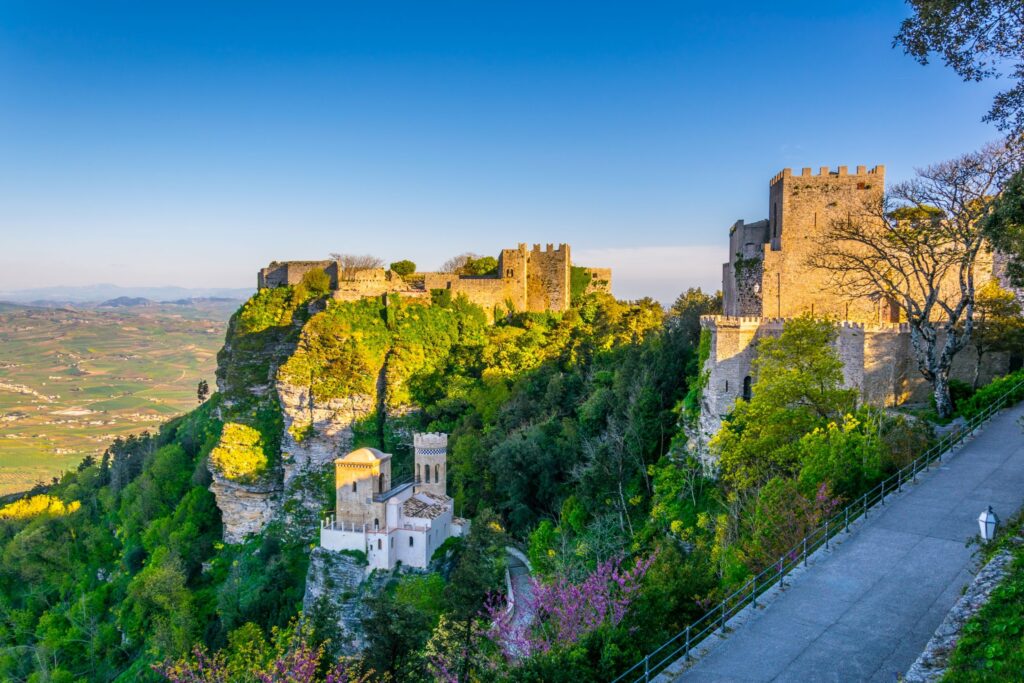
Italy is one of the best countries in Europe for ancient history. You can walk through Roman forums, Greek theatres, temple parks, buried cities, and imperial villas in a single trip.
If you are choosing where to go, start with this quick answer. The best ancient ruins in Italy for most tourists are the Colosseum and Roman Forum in Rome, Pompeii, Herculaneum, Ostia Antica, Paestum, the Valley of the Temples in Agrigento, the Neapolis Archaeological Park in Syracuse, and Hadrian’s Villa in Tivoli.
Here is the easiest way to decide. Choose Rome for a first trip and the biggest classic landmarks. Choose Pompeii for scale and one of the most famous archaeological sites in the world. Choose Herculaneum if you want a shorter and easier visit. Choose Paestum or Agrigento for the strongest Greek temple experience. Choose Syracuse if you want ancient ruins with a beautiful city base. Choose Ostia Antica or Tivoli if you are staying in Rome and want an easy day trip.
Each site offers something different. Some are huge and dramatic. Others are easier day trips. Some work best from a city base. Others deserve an overnight stay nearby.
This guide helps you choose the right ruins for your trip, compare the main sites, and decide where to stay for the easiest access.
Explore This Guide
ToggleBest Ancient Ruins in Italy by Travel Style
If you want the fastest way to narrow it down, use this shortlist.
Best for first-time visitors: Colosseum, Roman Forum and Palatine Hill
Best if you only choose one major site outside Rome: Pompeii
Best easier alternative to Pompeii: Herculaneum
Best day trip from Rome: Ostia Antica or Hadrian’s Villa
Best mix of ruins and city atmosphere: Syracuse
Best Greek temples: Paestum
Best dramatic archaeological landscape: Valley of the Temples
Best if you do not want a car: Rome, Pompeii, Herculaneum, Ostia Antica, Verona Arena
Best for families: Herculaneum, Ostia Antica, Verona Arena
Best for couples: Syracuse, Agrigento, Taormina
Best for history lovers: Rome + Pompeii + Paestum
Why Ancient Ruins in Italy Are Worth Adding to Your Trip
Ancient ruins in Italy are not only for serious history fans. They work well for first-time visitors, couples, families, and anyone who wants a trip with more depth.
They also fit many travel styles:
city breaks in Rome, Verona or Syracuse
day trips from major bases
longer cultural road trips
coast-and-history holidays in Campania, Sicily or Sardinia
mixed trips with food, museums and scenic walks
The best part is variety. You are not seeing the same site again and again. A Roman amphitheatre feels very different from a Greek temple park or an imperial villa.
Best Ancient Ruins in Italy to Visit
These are the strongest choices for most tourists, based on first-trip value, ease of access, historical impact, and how well each site fits into a real Italy itinerary.
Colosseum, Roman Forum and Palatine Hill, Rome
If you want the most iconic ancient ruins in Italy, start in Rome. This is still the clearest first choice for most travellers because it combines famous landmarks, strong museum context, and easy access from a major city base.
The Colosseum gives you the headline moment. The Roman Forum shows the political and public heart of ancient Rome. Palatine Hill adds views, palace remains, and a better sense of how large the ancient city once felt.
This is the best pick for first-time visitors, short Rome trips, and travellers who want the strongest classic ruins experience without extra logistics. Stay in Monti, Celio, or the wider historic centre if ancient Rome is a major priority.
Check stays in Rome if you want the easiest base for Italy’s most famous ancient landmarks.
Pompeii, Campania
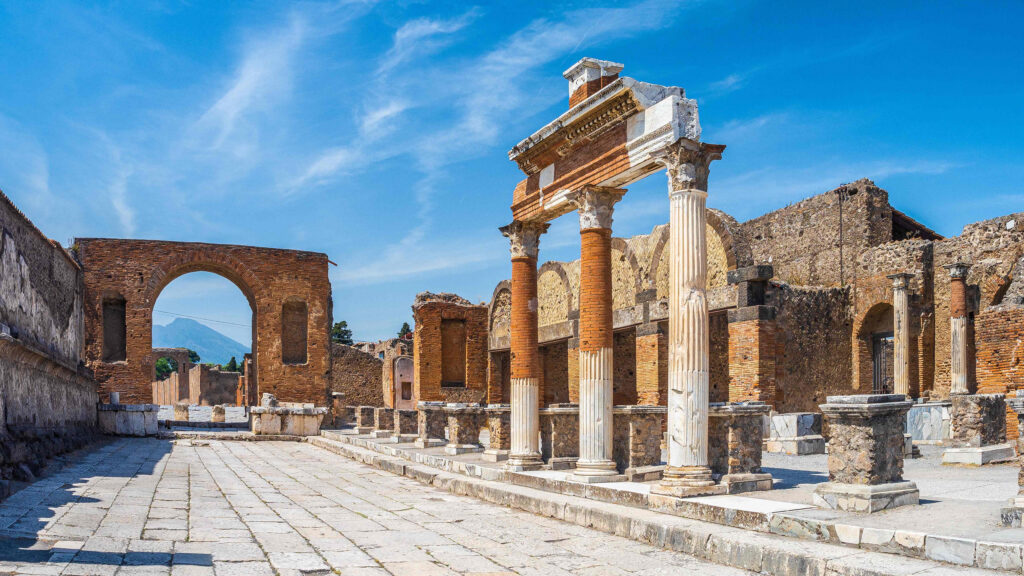
Pompeii is one of the most famous archaeological sites in the world, and it still lives up to expectations. What makes it different is scale. This is not a single monument. It is the preserved remains of a Roman city buried by the eruption of Vesuvius.
You can walk streets, see houses, bath complexes, shops, forums, and distant views toward the volcano. That scale is exactly why Pompeii can feel overwhelming. A simple route or a guided visit usually works better than trying to cover the whole site.
Pompeii works best for travellers based in Naples, Sorrento, or Pompei itself. Naples is the most practical. Sorrento suits travellers who want archaeology with a coastal base.
Herculaneum, Campania
Herculaneum is often the better choice for travellers who want a shorter and easier visit than Pompeii. It is smaller, more manageable, and often feels easier to read on a first walk through the site.
Many visitors prefer it because the preserved details feel stronger. Streets, interiors, and everyday spaces can be easier to appreciate here than at a larger site. That makes it especially good for families, mixed-interest groups, and anyone who does not want a full archaeological day.
For most travellers, Naples is the best base. Herculaneum also pairs well with the Naples National Archaeological Museum if you want more context after the site visit.
Ostia Antica, near Rome
Ostia Antica is one of the smartest choices if you are staying in Rome and want a rewarding day trip. It was the ancient port city of Rome, and the site still feels spacious, readable, and surprisingly calm compared with the capital’s busiest headline attractions.
You can walk past apartment blocks, baths, warehouses, temples, and a theatre while getting a stronger sense of ordinary Roman urban life. It is especially appealing for travellers who already plan to see the Colosseum area and want a second ruins experience without changing hotel base.
For most visitors, Rome remains the best place to stay. Ostia Antica is most useful as an easy add-on rather than a destination that needs its own overnight stop.
Paestum, Campania
Paestum is one of the best places in Italy to see Greek ruins. If you want something different from Roman forums and amphitheatres, this is one of the strongest additions you can make.
The site is known for its major Doric temples, open setting, and more relaxed atmosphere compared with Pompeii. It feels less urban and more spacious, which makes the visit very different in mood. The museum also adds real value, so this is not just a quick stop for a few photos.
Paestum works well from Paestum, Salerno, or parts of the Cilento coast. It also pairs naturally with local mozzarella, simple seafood meals, and a slower pace than Naples.
Check stays near Paestum if you want Greek temples with a quieter base and an easy coast-and-culture mix.
Valley of the Temples, Agrigento
The Valley of the Temples is one of the most memorable ancient sites in Italy and one of the strongest reasons to include Sicily in a history-focused trip. The landscape is broad, open, and dramatic, with temple remains spread across a large archaeological area rather than packed into a dense city setting.
This is a strong choice for travellers who want Greek ruins with scenery, walking routes, and a more distinctive sense of place. It often feels more atmospheric when you give it enough time instead of treating it as a rushed stop.
The best base is usually Agrigento itself. Staying nearby makes late-day visits, a slower pace, and an easier overall schedule much more realistic.
Neapolis Archaeological Park, Syracuse
Syracuse is one of the best choices in Sicily if you want ancient ruins and a pleasant city base in the same trip. The Neapolis Archaeological Park includes the Greek Theatre, the Roman amphitheatre, and the Ear of Dionysius, giving the site more variety than many visitors expect.
This is a very good option for couples, first-time Sicily visitors, and travellers who want to balance archaeology with sea views, evening walks, and restaurants in Ortygia. It feels easier to integrate into a broader holiday than a more isolated ruins stop.
Stay in Ortygia for atmosphere and walkability, or in the wider Syracuse area if you want easier parking and simpler logistics.
Check stays in Syracuse if you want ancient history with one of the best evening settings in Sicily.
Hadrian’s Villa, Tivoli
Hadrian’s Villa is one of the best ancient sites near Rome if you want a different side of Roman history. This was an imperial retreat rather than a city, so the experience feels more spacious and less urban than the Colosseum or Forum area.
The site rewards travellers who enjoy walking, open layouts, and imagining how pools, courtyards, pavilions, and grand residential spaces once worked together. It is a good pick if you want scale without central Rome crowds.
For most tourists, this is best as a day trip from Rome. If you want a slower pace, Tivoli can also work well as a short overnight stop.
Best Bases for Visiting Ancient Ruins in Italy
If you want booking-friendly bases rather than constant hotel changes, these are the most practical choices.
Rome for the Colosseum, Roman Forum, Palatine Hill, Ostia Antica, and Tivoli
Naples for Pompeii, Herculaneum, and the Naples Archaeological Museum
Sorrento for Pompeii with a more scenic coastal base
Syracuse for the Neapolis Archaeological Park and eastern Sicily
Agrigento for the Valley of the Temples
Salerno or Paestum for Paestum and the southern Campania coast
Sample Itinerary Ideas
If you have 3 days
Day 1: Colosseum, Roman Forum and Palatine Hill
Day 2: Ostia Antica or Hadrian’s Villa
Day 3: Rome museums and historic centre
If you have 5 days
2 days in Rome
2 days in Naples or Sorrento
1 day for Pompeii or Herculaneum
If you have 7 to 10 days
Rome
Naples or Sorrento
Paestum
Sicily with Syracuse or Agrigento
This gives you Roman, Greek and imperial sites in one trip without making the pace too heavy.
Practical Tips Before You Go
Book major sites ahead in peak season.
Start early in summer because many ruins have very little shade.
Wear proper walking shoes. Stone paths can be uneven.
Carry water, especially at large open sites.
Do not try to see every corner of Pompeii in one visit.
Pair big sites with nearby museums for context.
Stay close to your main ruin if you want early access and a calmer experience.
Check current opening rules before you go, especially for evenings, special events and performance seasons.
Are the Best Ancient Ruins in Italy Better as Day Trips or Overnight Stops?
That depends on the site.
Best as day trips:
Ostia Antica from Rome
Hadrian’s Villa from Rome
Herculaneum from Naples
Verona Arena during a city break
Better with an overnight stay nearby:
Pompeii if you want an early start or a slower pace
Paestum if you also want the museum and local food stops
Valley of the Temples if you want sunset or a relaxed schedule
Syracuse if you want to combine ruins with Ortygia
This matters in practice. Travellers often enjoy ruins more when they stay nearby and avoid long return journeys after hours in the sun.
Final Thoughts on the Best Ancient Ruins in Italy
The best ancient ruins in Italy are not all in one region, and that is part of the appeal. Rome gives you the classic first experience. Pompeii and Herculaneum bring ancient daily life into focus. Paestum and Sicily show how strong the Greek side of Italy can be.
If you want the simplest first choice, choose Rome. If you want the strongest Roman city experience outside the capital, choose Campania for Pompeii and Herculaneum. If you want Greek ruins with scenery, atmosphere and a broader road-trip feel, choose Sicily.
Choose fewer sites and enjoy them properly. Ancient ruins in Italy are better when you leave space for food, views, museums and an easy evening after the visit.
Check stays in Naples if you want Pompeii and Herculaneum in one trip.
FAQs
What are the best ancient ruins in Italy for first-time visitors?
The best starting point is usually Rome, especially the Colosseum, Roman Forum and Palatine Hill. Pompeii is the other top choice if you want one big archaeological site outside the capital.
Is Pompeii or Herculaneum better?
Pompeii is bigger and more famous. Herculaneum is smaller and often easier to understand in one visit. If you prefer scale, choose Pompeii. If you prefer detail, choose Herculaneum.
What are the best Greek ruins in Italy?
Paestum, the Valley of the Temples, Syracuse, Segesta and Selinunte are among the strongest choices. Sicily and southern Campania are especially good for Greek archaeology.
Is Ostia Antica worth visiting from Rome?
Yes, especially if you have already seen the main Rome highlights. It is one of the best ancient day trips from the city and often feels calmer than central Rome sites.
Can you visit ancient ruins in Italy without a car?
Yes. Rome, Pompeii, Herculaneum, Ostia Antica and Verona Arena are all realistic without a car. Some Sicily and Sardinia sites are easier with your own transport.
What is the best time to visit ancient ruins in Italy?
Spring and early autumn are usually the best times. Summer works too, but early starts are important because many sites are exposed and hot.
Which ancient ruins in Italy are best for families?
Herculaneum, Ostia Antica and Verona Arena are often easier for families because they are more manageable. Pompeii can also work well if you keep the route simple.
Where should I stay for Pompeii and Herculaneum?
Naples is the most practical base for both. Sorrento works well if you want to combine archaeology with coastal scenery.
Are ancient ruins in Sicily worth adding to an Italy trip?
Yes. Sicily gives you some of the best Greek archaeological sites in Italy, plus strong scenery, food and city-break options such as Syracuse and Agrigento.
How many ancient ruin sites should I visit on one trip?
Fewer than you think. Two or three major sites usually feel better than trying to fit in too many. Large ruins are tiring, especially in warm weather.
Do I need to book tickets in advance for famous ruins in Italy?
For the biggest names, yes, especially in peak season. Booking ahead can save time and make it easier to choose a better entry slot.
What should I wear when visiting ruins in Italy?
Wear comfortable shoes with grip, bring water, and plan for strong sun in warmer months. Light layers are useful because open sites can feel very different in the morning and afternoon.
Disclosure: This page may contain affiliate links. This means that we get a small commission from any purchase you make, at no additional cost to you!