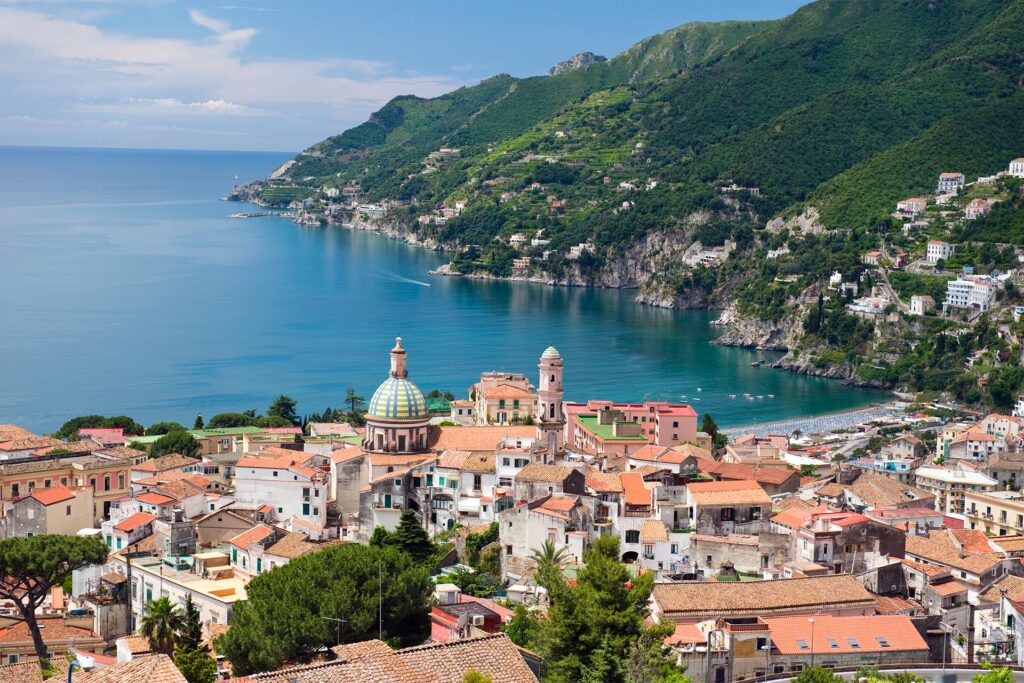
Mount Vesuvius is one of the most famous volcanoes in the world. It rises above the Bay of Naples and gives you one of the most memorable day trips in Campania. Many visitors come for the crater walk. Others come for the views, the volcanic landscape, and the chance to combine the volcano with Pompeii or Herculaneum.
If you are planning a visit, the good news is that Mount Vesuvius is easy to add to a Naples itinerary. The key is understanding what you are really visiting. Some travellers only want the classic crater walk. Others want more time in Vesuvius National Park, with quieter trails, nature, and food-and-wine stops on the slopes.
This guide explains how to visit Mount Vesuvius, what to expect from the hike, how to choose the best base, and how to plan a smoother trip.
Before you plan the day, it helps to know the difference between the famous crater walk and the much wider Vesuvius National Park experience.
Jump to
ToggleWhy visit Mount Vesuvius Italy
Mount Vesuvius is not just a famous name from history. It is also one of the most rewarding viewpoints in Campania. From the upper trail, you can look across the Gulf of Naples and, on a clear day, see a wide sweep of coast and inland plains.
The site works for many travel styles:
day trippers from Naples
travellers staying in Pompeii or Ercolano
couples looking for a scenic half day
families with older kids who enjoy walks
travellers combining archaeology and nature
Vesuvius also gives context to the whole region. After visiting the crater, Pompeii and Herculaneum feel more vivid. You are no longer reading about the volcano. You are standing on it.
What is Vesuvius National Park
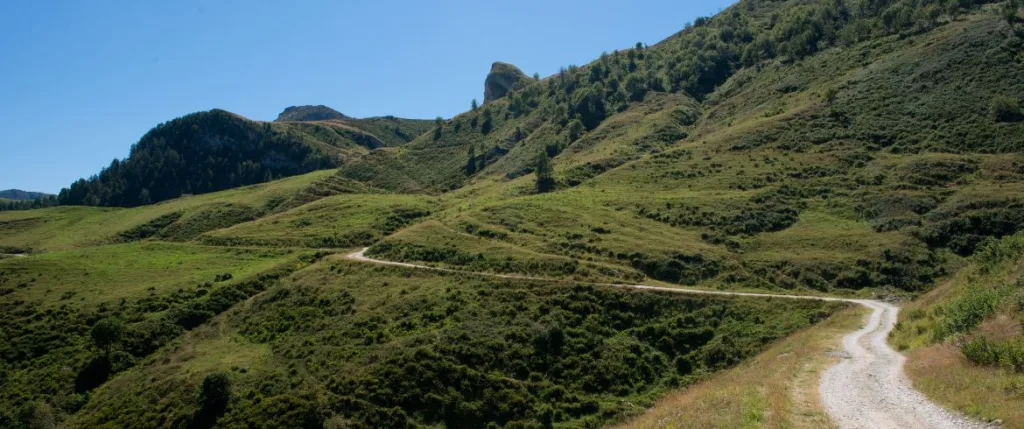
Vesuvius National Park is much bigger than the crater walk. The park includes a wider protected volcanic landscape with multiple trails, rural areas, viewpoints, and biodiversity zones. The official park network includes 11 paths, so the crater is only one part of the experience.
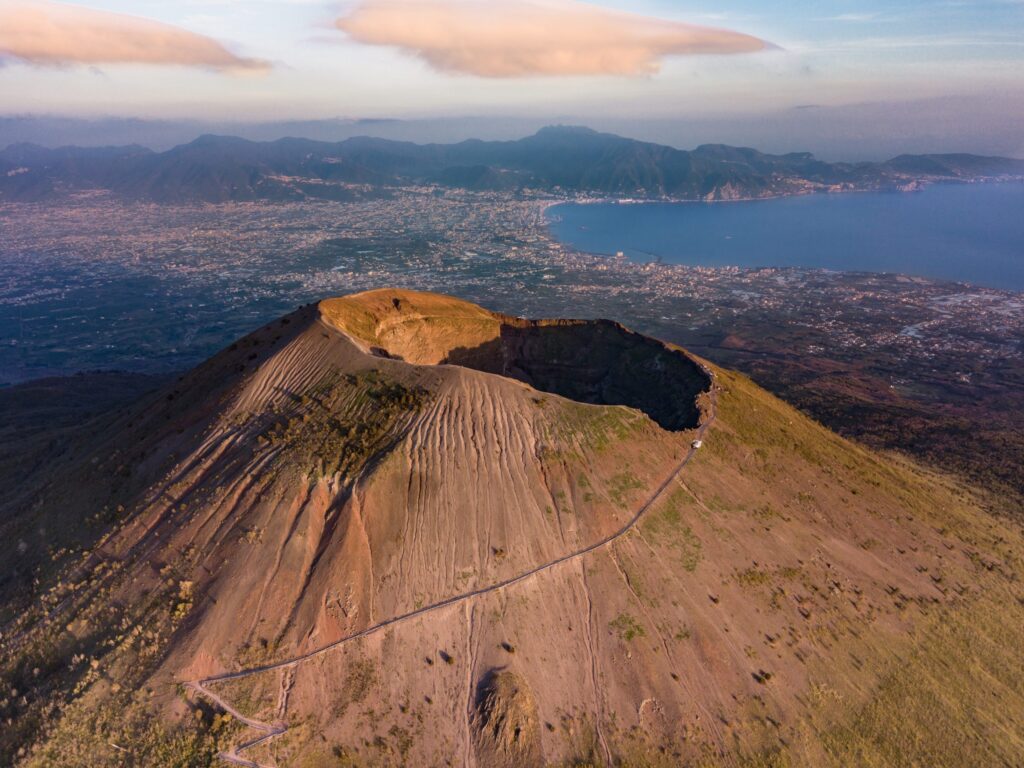
Most tourists focus on the Gran Cono, also called Path 5. That is the classic route used to visit the crater rim. It is the most popular choice because it is practical, scenic, and realistic even for travellers with limited time.
If you want more than the classic visit, the park also includes trails linked to Mount Somma, forested areas, lava landscapes, and routes with a quieter feel.
The main Mount Vesuvius experience: the Gran Cono crater walk
For most visitors, the goal is simple. You want to walk up to the crater and enjoy the view.
The official crater route starts from Quota 1000, the access area on the mountain road above Ercolano. From there, the Gran Cono trail climbs to the crater zone. The route is not a long mountain trek, but it is still a real uphill walk on volcanic terrain.
What the walk feels like
Expect:
a steady uphill section
gravel, ash, and uneven ground
exposed sun in warm months
strong wind on some days
panoramic views that improve as you climb
This is not the place for flimsy sandals. Wear proper shoes with grip. In summer, bring water, sun protection, and a hat. In cooler months, add a layer because conditions near the top can feel much colder than in Naples.
Is the Mount Vesuvius hike difficult
For most reasonably active travellers, the crater walk is manageable. It is best described as short but moderately demanding because of the incline and loose volcanic surface. If you take your time, most visitors do well.
It suits:
adults with average fitness
active older children
travellers who do fine on uphill walks
It may be less suitable for:
very young children without a carrier plan
anyone with balance issues on loose ground
travellers expecting a flat, easy promenade
How long do you need
The classic visit is often a half-day trip. The full crater excursion itself is usually not an all-day activity unless you add transport time, a winery stop, or another site nearby.
A realistic plan is:
half day from Ercolano or Pompeii
around half to three quarters of a day from Naples
full day if combined with Pompeii, Herculaneum, or lunch on the slopes
Mount Vesuvius tickets and entry tips
This is one of the most important parts of planning: book ahead and treat the crater visit as a managed experience, not a casual walk-up stop.
Tickets for the Gran Cono crater visit are sold online through the official system with timed slots. The park states that tickets are released in advance rather than sold freely at the entrance, and the most popular times can fill up quickly in spring, summer, and sunny weekends. Current park rules also describe official accompaniment for each group above 1,000 metres, so even travellers visiting independently should expect structured access rather than a completely unguided ascent.
A few practical tips help a lot:
book ahead if your dates are fixed
aim for an earlier slot in warm months
keep some flexibility for weather
do not assume you can simply arrive and enter
check the latest official access rules before going
The park can also limit or stop access in poor weather. Wind, rain, and civil protection alerts can affect operations. That means Mount Vesuvius is one of those places where last-minute conditions really matter.
How to get to Mount Vesuvius
There is no single perfect option. Best base depends on your trip style, how much time you have, and whether you are using public transport or a car.
Mount Vesuvius from Naples
Naples is the most common base and works well if Vesuvius is part of a bigger Campania trip.
From Naples, you can:
join an organised half-day or full-day tour
take rail toward Ercolano or Pompeii, then continue by shuttle, taxi, or bus connection
drive, though this is less relaxing in peak season
Naples is best if you want city atmosphere, a wide choice of stays, and easy onward travel.
Mount Vesuvius from Ercolano
Ercolano is one of the easiest bases for an independent crater visit. It is closer to the volcano than Naples and works especially well with Herculaneum.
This is a smart choice for:
short stays focused on Vesuvius and Herculaneum
travellers who prefer less backtracking
visitors who want a simpler day than starting in central Naples
Mount Vesuvius from Pompeii
Pompeii is another practical base. It makes sense if archaeology is your main priority and Vesuvius is the natural second stop.
Pompeii works well for:
travellers doing Vesuvius and Pompeii in one trip
visitors arriving by train
people who want easier access to both historical sites and regional transport
There is also an official bus connection from the Pompeii side, which makes this route especially useful for independent travellers.
Mount Vesuvius by car
Driving gives flexibility, but it is not always the easiest option. Road access is mountain access, and parking logistics can change. On the main crater route, parking is not allowed at Piazzale Quota 1000 itself. In practice, drivers use the parking and rest areas along the provincial road and then continue toward the access area.
Driving can be a good fit if:
you are staying outside the main rail corridor
you want to add wineries or smaller towns
you prefer your own schedule
It is less ideal if you dislike mountain roads, parking uncertainty, or peak-season traffic.
Best ways to visit: independent trip or organised tour
Both options can work well.
Visit independently if you want:
more freedom with timing
a cheaper plan in some cases
a flexible stop in Pompeii or Ercolano
a simpler travel day if you are already staying nearby
Independent here means arranging your own transport and timing. The crater access itself still runs under park rules and a managed entry system.
Choose a tour if you want:
fewer transport decisions
hotel pickup in some cases
an easier combo with Pompeii or Herculaneum
less stress in high season
For many first-time visitors, tours are good value when transport is included. For repeat travellers or those staying in Ercolano or Pompeii, independent visits often make more sense.
Things to do beyond the crater
Many articles reduce Vesuvius to one short hike. That misses the wider area and the chance to turn the visit into a fuller half-day plan.
Add a winery stop
The fertile volcanic soil on the slopes supports vineyards and traditional agriculture. This is a great place to add a slow lunch or tasting after the hike.
Look for local specialties such as:
Lacryma Christi del Vesuvio wine
Pomodorino del Piennolo del Vesuvio
apricot products in season
simple dishes with local tomatoes, cheese, and seafood
This is one of the easiest ways to turn a short volcanic stop into a fuller Campania experience.
Explore more park trails
The national park includes more routes than the Gran Cono. If you enjoy nature and want a less crowded angle, look into other official trails in the park. These can include forest sections, lava landscapes, and routes with views toward Mount Somma.
Keep in mind that some trails may be under maintenance or temporarily closed. Always check the current status before building a full hiking day around them.
Look into the Vesuvius Observatory area
The Vesuvius Observatory is an important scientific and historical reference point on the volcano. It adds depth to the wider Vesuvius experience, especially if you are interested in geology, eruptions, or the long relationship between the mountain and the region. Check current access or event details before building your day around it.
Best day trip combinations
Mount Vesuvius and Pompeii
This is the classic pairing. Pompeii gives you the historical story. Vesuvius gives you the physical setting. Together, they make one of the strongest day trips in Italy.
This combination is best if:
you have one full day
it is your first visit to the area
you want the most iconic experience
Try to start early. Both places are exposed and can feel tiring in hot weather.
Mount Vesuvius and Herculaneum
This pairing is often easier and less rushed. Herculaneum is more compact than Pompeii, so it combines well with the crater visit.
This is a great option for:
travellers with limited time
visitors staying in Ercolano
people who prefer a more manageable archaeology stop
Mount Vesuvius and a winery lunch
This is one of the best choices for couples or slower travellers. You get the big view and the famous crater, then end the day with food and wine on the volcanic slopes.
Where to stay for Mount Vesuvius
Stay in Naples
Best for:
first-time visitors to Campania
travellers without a car
trips that include several day trips
Why it works:
biggest hotel choice
easy rail access
lively food scene
Keep in mind:
longer travel day to the volcano
more city logistics
Check stays in Naples if you want the widest choice of hotels and the easiest base for multiple day trips.
Stay in Ercolano
Best for:
a short Vesuvius-focused trip
combining Vesuvius with Herculaneum
simpler access to the mountain
Why it works:
closer to the volcano
more practical for early starts
easier independent planning
Keep in mind:
smaller base than Naples
fewer evening options
Check stays in Ercolano if you want a practical base close to Mount Vesuvius and Herculaneum.
Stay in Pompeii
Best for:
combining archaeology and the volcano
train-based travellers
one- or two-night stopovers
Why it works:
strong location for the classic combo
practical transport connections
easy to build a sightseeing-focused stay
Keep in mind:
less atmospheric than Naples for nightlife
better for sightseeing than for a romantic city break
Check stays in Pompeii if you want to combine Mount Vesuvius with Pompeii in one easy sightseeing trip.
Mount Vesuvius with kids, couples, and budget travellers
With kids
Mount Vesuvius can work well for families if expectations are realistic. The crater path is better for older kids than for toddlers. Bring snacks, water, and sun protection, and avoid the hottest part of the day.
For couples
This is an excellent half-day for couples, especially in spring or autumn. Add a winery or a scenic lunch and it feels much more special than a simple transfer-and-return stop.
For budget travellers
Independent visits from Pompeii or Ercolano usually make the most financial sense. Tours can still be worth it if they save time or bundle transport in a way that simplifies the day.
Best time to visit Mount Vesuvius
Spring and autumn are usually the best seasons. You get better walking conditions, clearer light, and more comfortable temperatures.
Spring
A great time for the crater walk. The weather is often pleasant, and the day feels less exhausting than in high summer.
Summer
Views can still be superb, but heat and crowds are the main challenges. Book early and go as early in the day as possible.
Autumn
Often one of the best seasons. The temperatures are easier, and the light can be beautiful.
Winter
Winter can be quiet and atmospheric. The trade-off is shorter hours, colder wind, and a higher chance of weather-related disruption.
Practical tips for a smoother visit
Book your crater entry in advance.
Check weather and access conditions the day before.
Wear proper shoes, not beach sandals.
Bring water even for a short walk.
Start early in hot months.
Allow extra time for transport changes.
Do not plan a rushed same-day chain of too many stops.
If you want fewer crowds, stay in Ercolano or Pompeii.
Is Mount Vesuvius worth visiting
Yes, especially if you enjoy places with both scenery and story. The crater itself is memorable, but the wider reward is the way the volcano connects the whole region. It makes Pompeii, Herculaneum, local wine, and the landscape around Naples feel part of one bigger experience.
If you only want a fast photo stop, Vesuvius may feel more effort than expected. But if you enjoy a short uphill walk, a dramatic setting, and one of the great historic landscapes in Europe, it is absolutely worth it.
It is best for travellers who enjoy views, history, and a practical half-day adventure rather than a lazy sightseeing stop.
FAQs
Do you need tickets for Mount Vesuvius?
Yes, the main crater visit on the Gran Cono route uses timed entry. It is best to book ahead, especially in busy months and on weekends.
Can you visit Mount Vesuvius on your own?
Yes, you can arrange the trip independently. However, the Gran Cono crater visit runs through a managed access system, and current park rules include official accompaniment for groups on the main route above 1,000 metres.
How hard is the Mount Vesuvius hike?
It is short but not effortless. The uphill surface can feel loose and dusty, so good shoes and a steady pace help.
How long does it take to visit Mount Vesuvius?
Most travellers treat it as a half-day trip. Add more time if you are coming from Naples or combining it with another major stop.
Can you do Mount Vesuvius and Pompeii in one day?
Yes, and it is one of the most popular combinations. Start early and keep the day simple so you do not feel rushed.
Is Mount Vesuvius suitable for kids?
It can work well for older children who are comfortable with uphill walks. It is less convenient for very young kids because of the terrain and exposure.
What should you wear to Mount Vesuvius?
Wear proper walking shoes and dress in layers. Bring sun protection in warm months and a wind layer in cooler weather.
Can Mount Vesuvius close because of weather?
Yes, access can be affected by bad weather or official alerts. Always recheck conditions close to your visit.
Is it better to stay in Naples, Pompeii, or Ercolano?
Naples is best for variety, Ercolano for easy volcano access, and Pompeii for the classic archaeology-and-volcano combination.
Can you reach Mount Vesuvius by public transport?
Yes, but the route usually includes more than one step. Many travellers go by rail to Ercolano or Pompeii, then continue by shuttle, taxi, or bus connection.
Are there other trails in Vesuvius National Park?
Yes. The park includes a wider network of official trails beyond the crater route. Some are quieter, but conditions and openings can vary.
What is the best month to visit Mount Vesuvius?
Spring and autumn are usually the easiest months for comfort and walking conditions. Summer is popular but hotter and busier.
Disclosure: This page may contain affiliate links. This means that we get a small commission from any purchase you make, at no additional cost to you!