
Sicily, Italy
Explore Sicily’s historic cities, volcanic landscapes and varied coastline. Choose an eastern or western base, then plan time for local food, cultural sights and days by the sea.
Quick planning answer
How long to stay: Spend 3–4 days in one area, a week exploring an eastern or western cluster, or 10–14 days on a wider route. One week is better focused on part of the island than a complete circuit.
Who it suits: Sicily rewards travellers interested in archaeology, regional food, city life, beaches and volcanic landscapes. Choose the balance that fits your group’s pace and mobility.
Which area to choose: The east combines Catania, Etna, Taormina and Syracuse; the west centres on Palermo, Trapani and the Egadi. Agrigento and inland sights need their own time.
With or without a car: Trains and buses can support a city-based coastal trip. A car helps with rural accommodation, wineries and some reserves, but brings parking and historic-centre ZTL checks.
Where to base yourself: Use one base for a short break and consider two complementary bases for a week. Add overnight stops only when the trip length, route and transport justify them; journeys across Sicily can take a substantial part of a day.
Explore this guide
Choose your area
Palermo and the north coast
Arrive through Palermo for markets, Arab–Norman monuments and coastal outings to Cefalù. A city stay works differently from a rural base in the Madonie, where a car is more useful.
Trapani and western Sicily
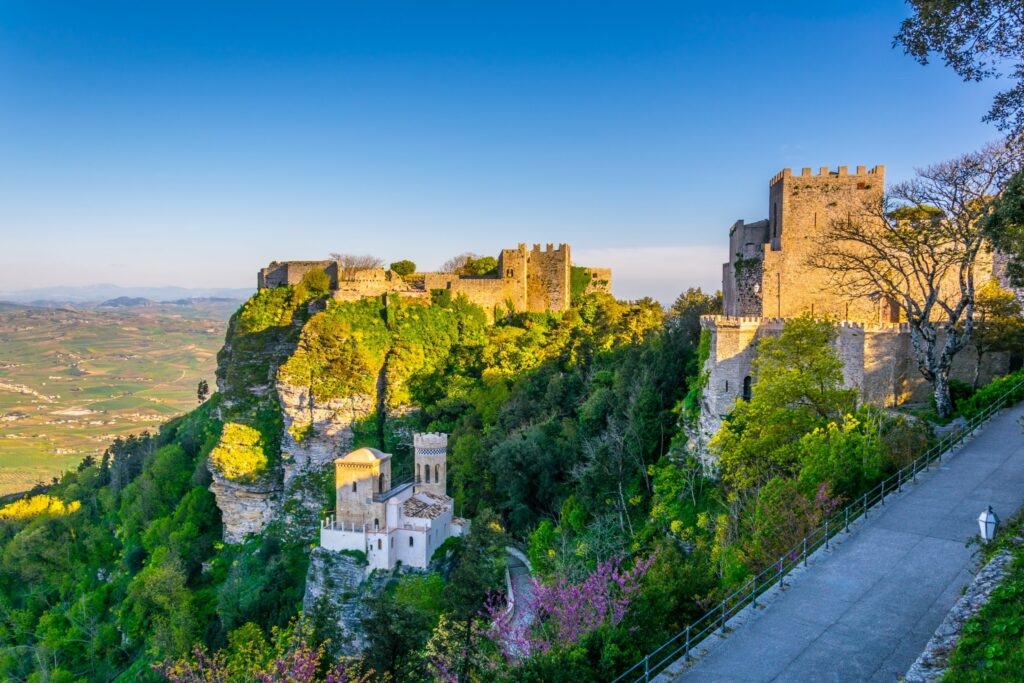
Choose Trapani for port access, Erice and the salt pans, with Palermo or Trapani as western arrival points. Scopello, vineyards and rural stays need separate transport planning.
Catania, Etna and Taormina
Catania airport serves the eastern cluster. Choose the city for transport and food, Etna’s slopes for rural stays, or Taormina for theatre views; its hilltop centre sits above the railway and coast.
Syracuse and the Val di Noto
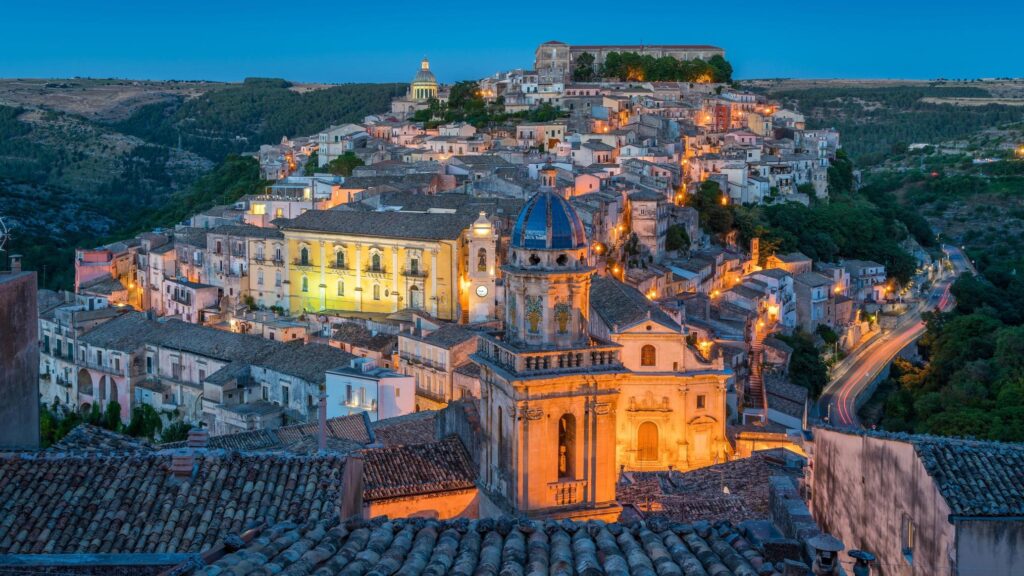
Syracuse combines mainland archaeological sights with Ortigia’s specific historic-island setting. Noto, Ragusa, Modica and Scicli offer different townscapes and access arrangements.
Agrigento and inland Sicily
Make time for the Valley of the Temples and the south coast, or a separate inland stop at Piazza Armerina. Hill towns, archaeological sites and rural accommodation are spread out.
Aeolian and Egadi islands
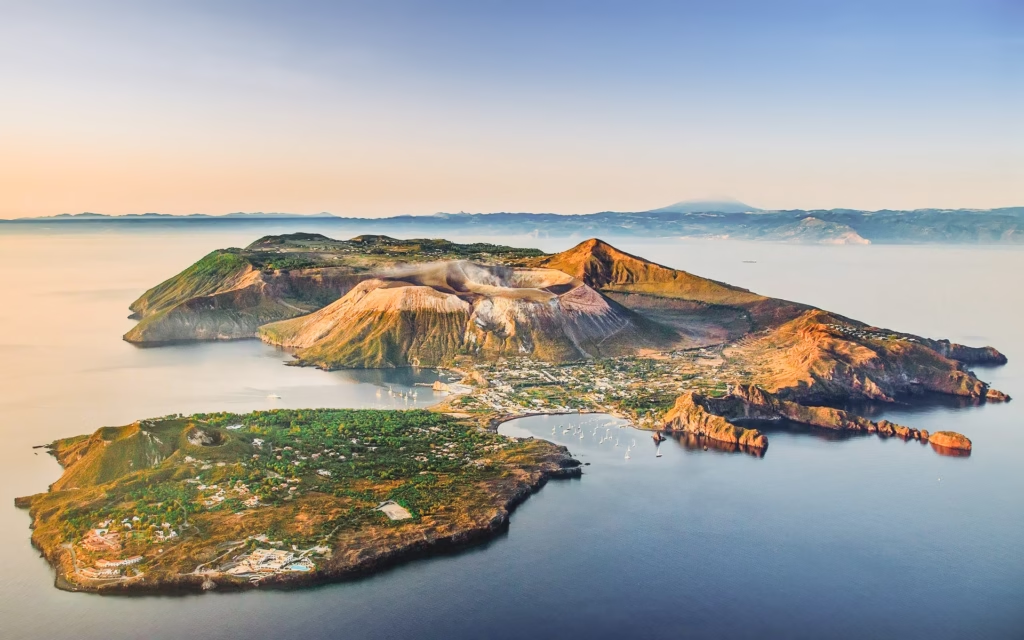
Plan these as separate trips: the Aeolian Islands lie off the north-east, commonly reached from Milazzo; the Egadi lie off the west, with Trapani a key port. Choose an island and check its own onward connections.
Places to visit in Sicily
Start with these nine destinations, then explore the additional regional guides below for smaller towns, islands and themed trips.

Palermo
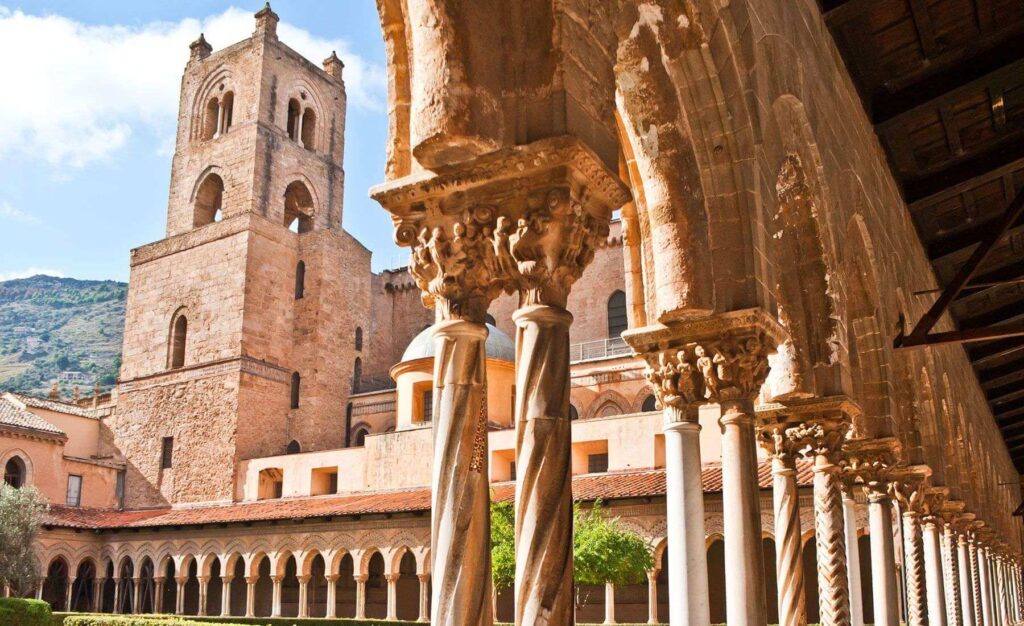
Explore markets, the cathedral and Arab–Norman monuments, including the Palatine Chapel. Allow a separate outing for Monreale.
Read the Palermo guide →
Catania
Explore lava-stone streets, La Pescheria market and baroque squares. Catania makes a practical city base for a separate Etna excursion.
Read the Catania guide →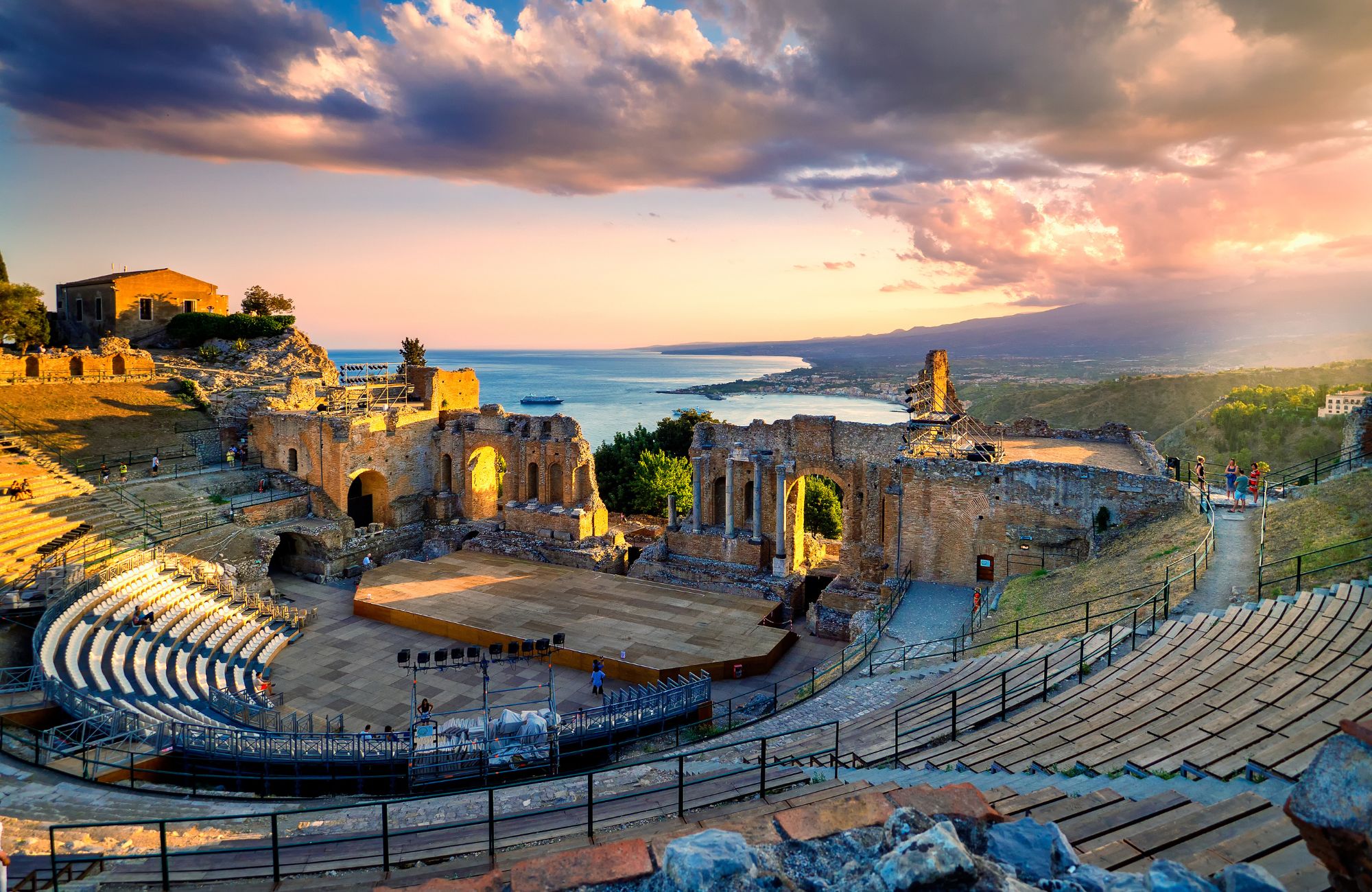
Taormina
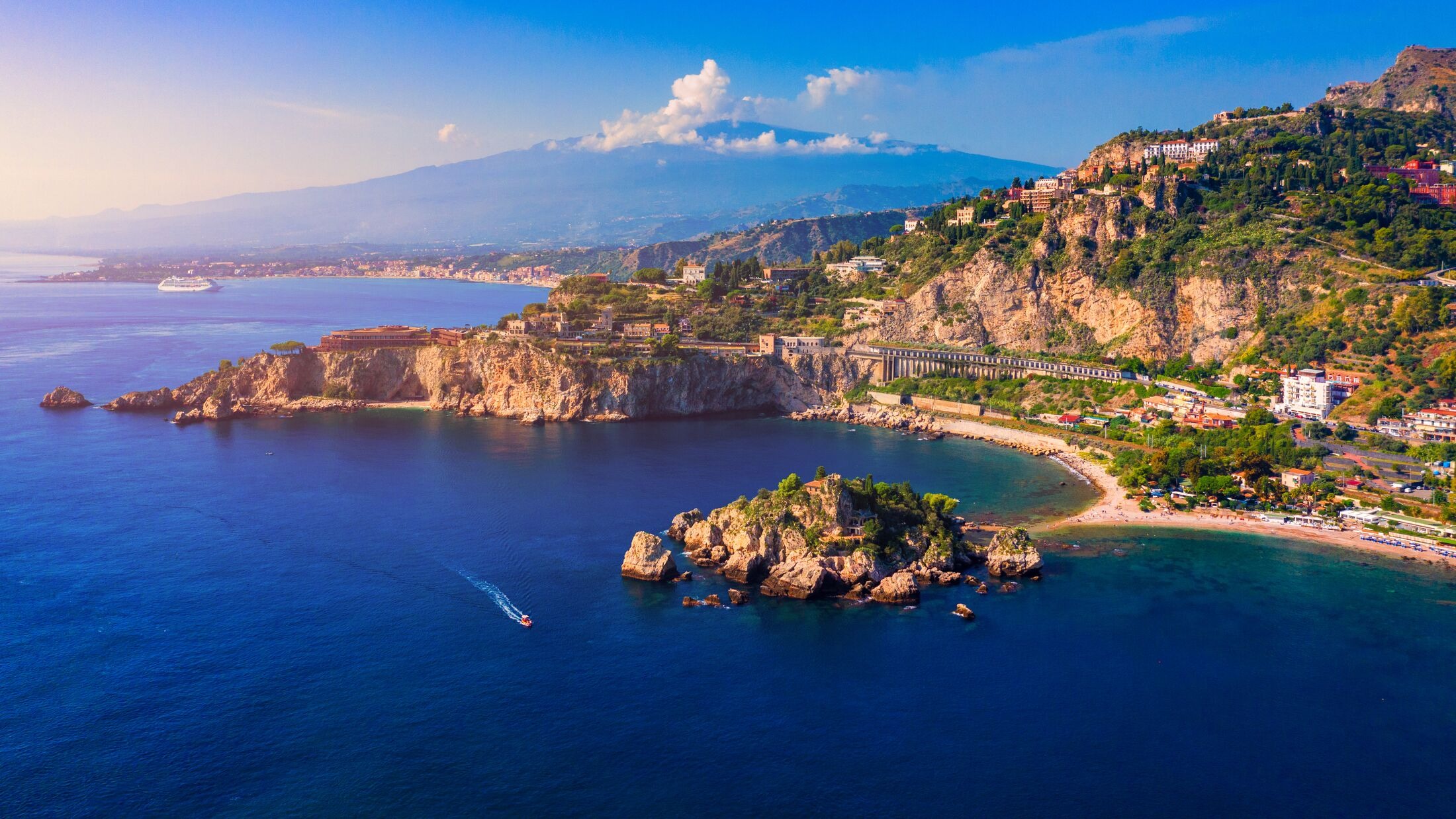
Visit the ancient theatre and hilltop lanes, then plan the journey down to Mazzarò or Isola Bella. Check the station-to-centre connection.
Read the Taormina guide →
Syracuse
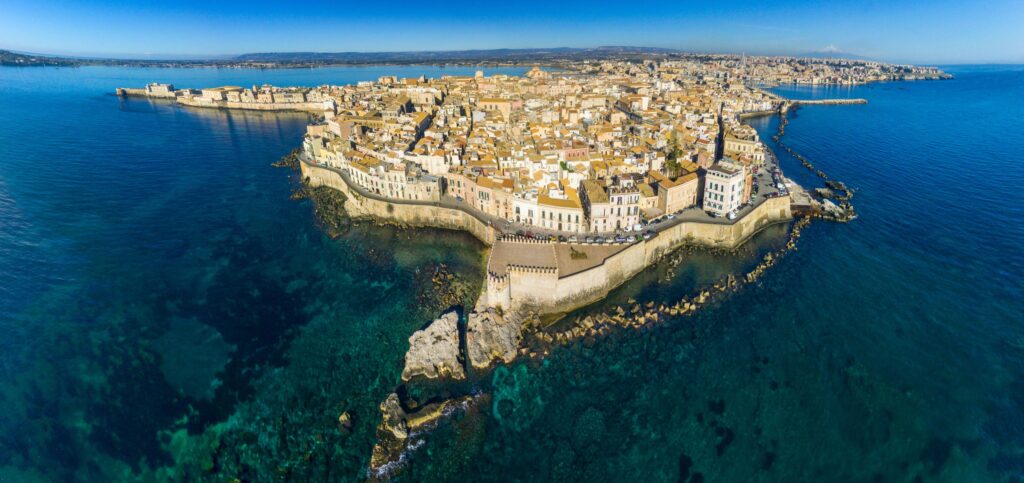
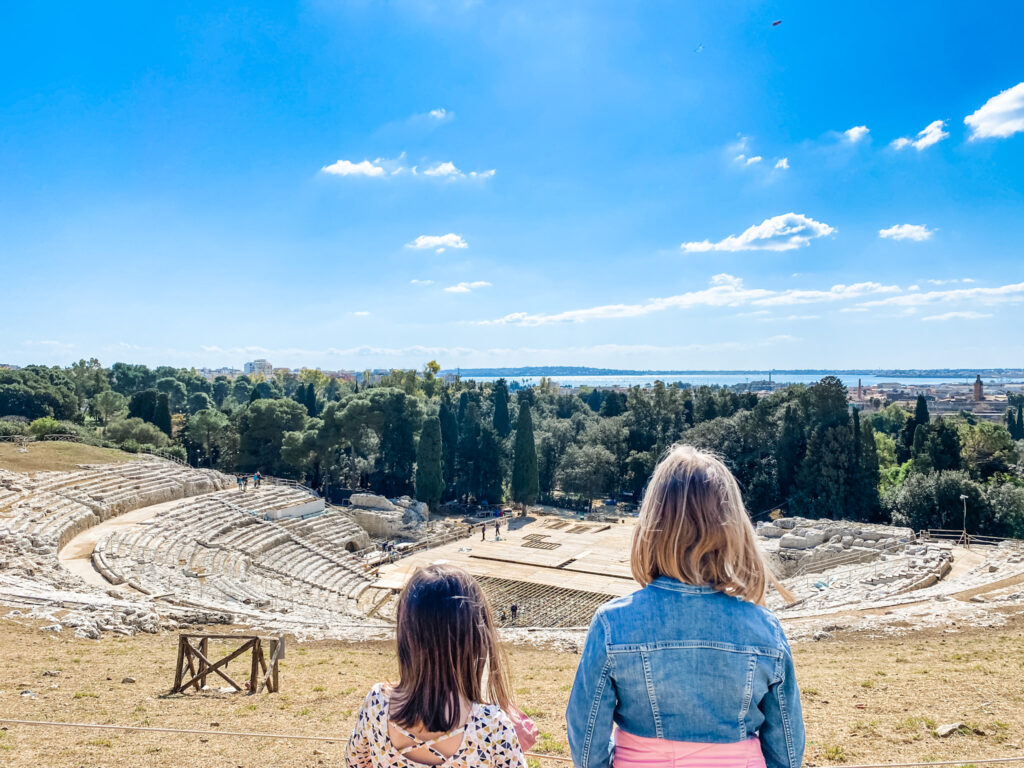
Combine the wider city’s Neapolis Archaeological Park and museums with time on Ortigia. The historic island and mainland sights need separate walking or transport plans.
Read the Syracuse guide →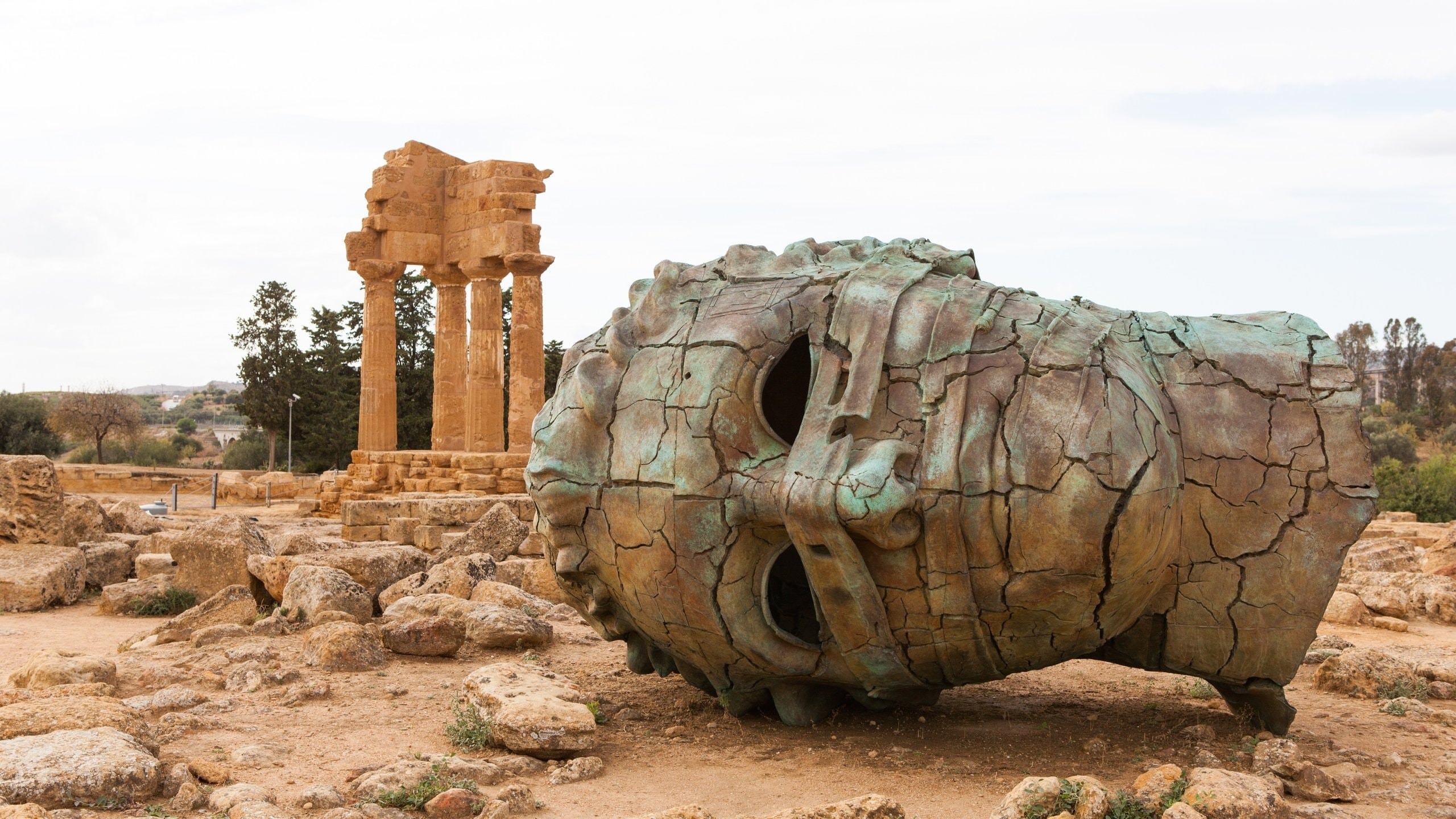
Agrigento
Give the Valley of the Temples and archaeological museum time of their own. Check the distance between your accommodation, the historic centre and site entrances.
Read the Agrigento guide →
Cefalù
Pair the cathedral and old-town lanes with time by the beach. Check parking, luggage access and any La Rocca route restrictions before setting out.
Read the Cefalù guide →
Mount Etna
Choose an outing suited to current volcanic conditions and your fitness. Access rules, guide requirements and available routes can change.
Read the Mount Etna guide →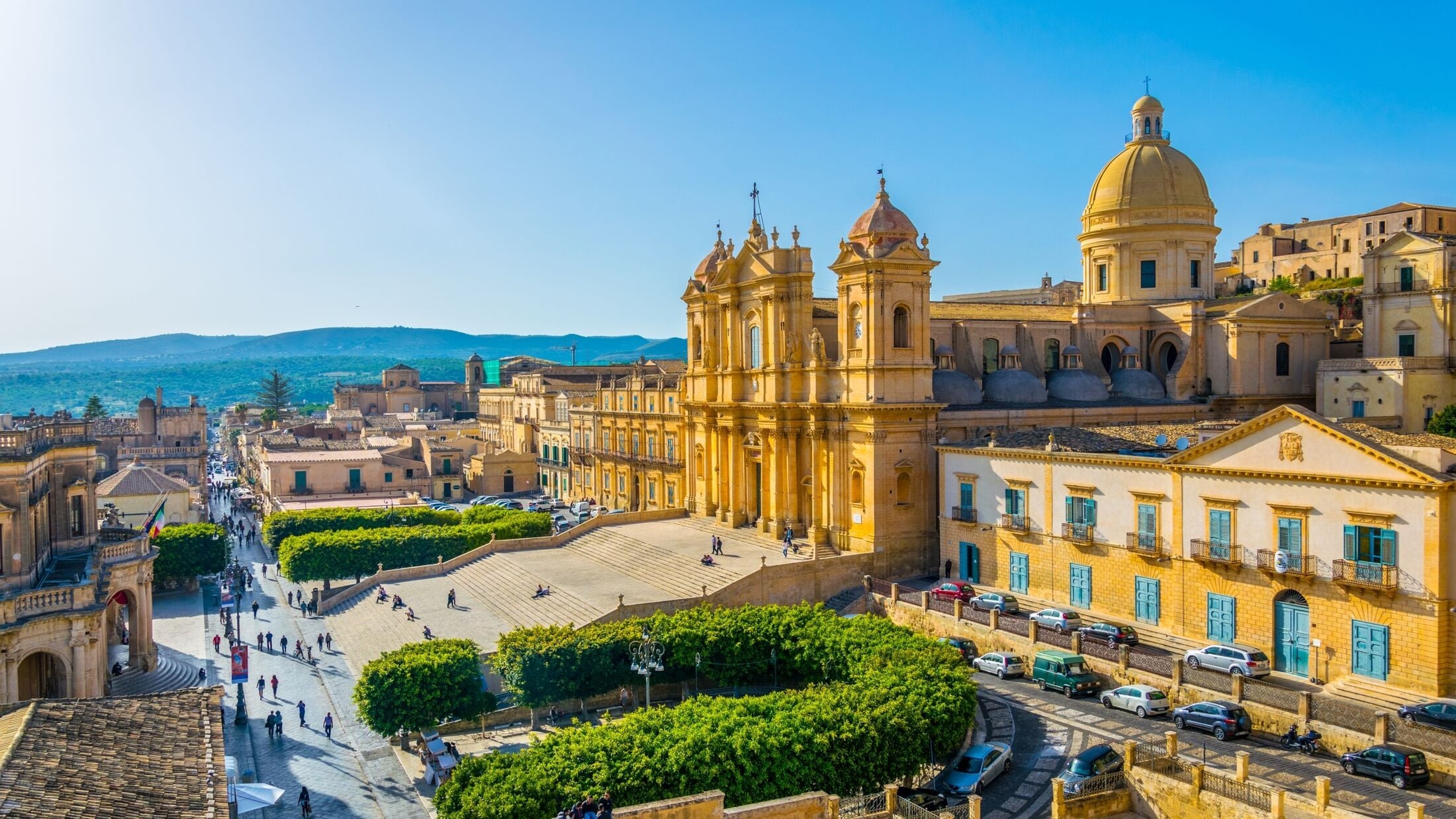
Noto
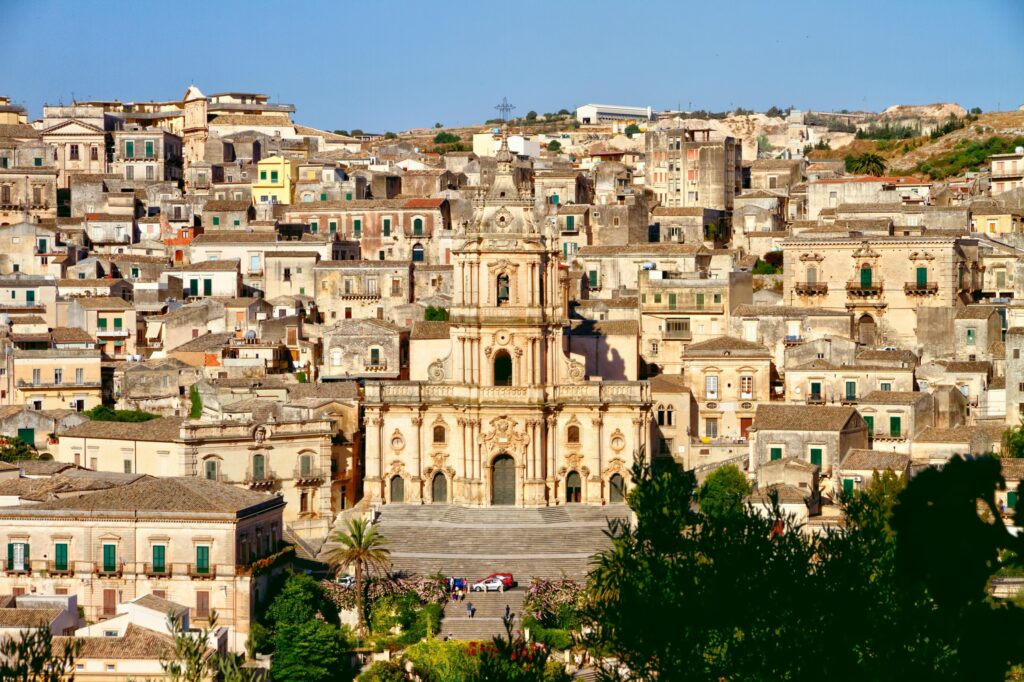
Walk the baroque centre around the cathedral and Corso Vittorio Emanuele. Use the guide to plan access and nearby south-eastern outings.
Read the Noto guide →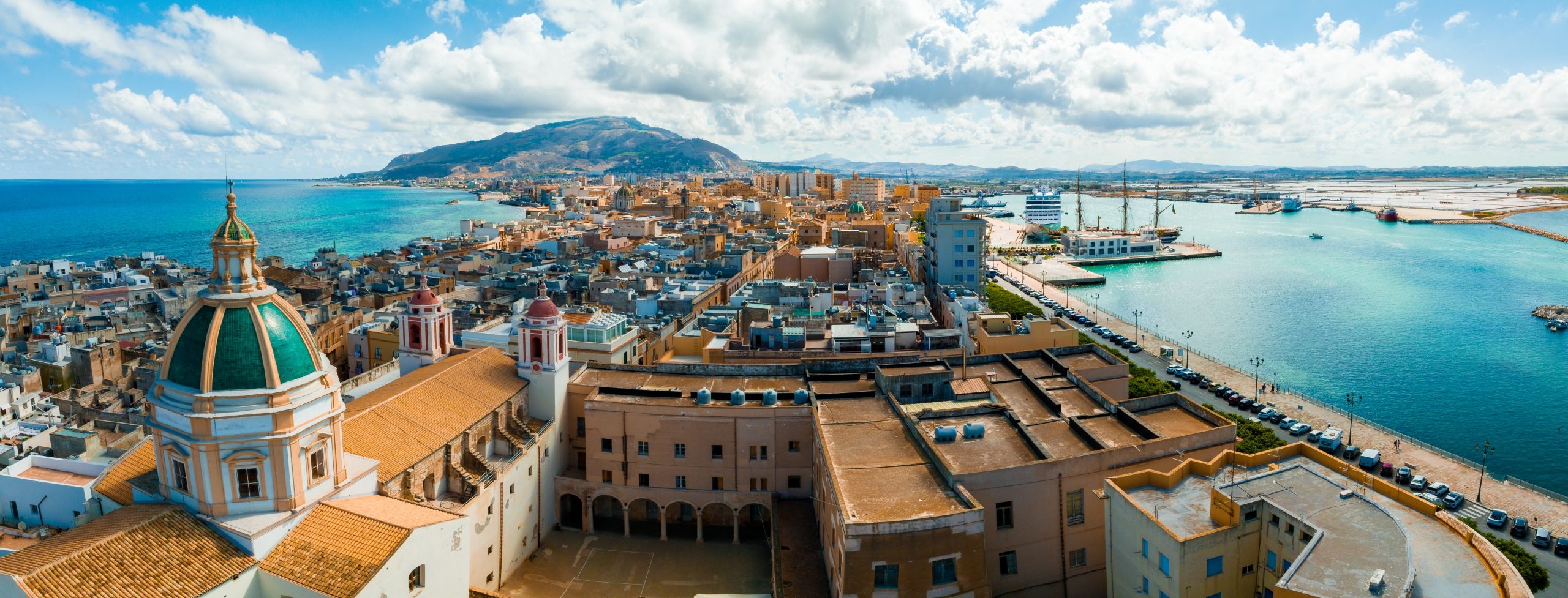
Trapani
Explore the port city, salt landscapes and western food traditions. Use Trapani for Egadi departures while treating hilltop Erice as a separate setting.
Read the Trapani guide →Where to stay in Sicily
Match your overnight base to the outings you care about most. City hotels, apartments, rural agriturismi, coastal resorts and island guesthouses involve different transport and access checks.
Some links below are affiliate links. We may earn a commission from qualifying bookings, at no extra cost to you.
Palermo
For markets, museums and a city break. Kalsa, Capo and the Quattro Canti area suit walking; compare evening noise and the route from your arrival stop. Drivers should confirm garage access outside or through the ZTL.
Compare stays in PalermoCefalù
For a beach and cathedral stay on the north coast. Check whether the property is in the old town or beyond it, the walk from the railway station, and parking or steps with luggage.
Compare stays in CefalùCatania
For food, city sights and an Etna excursion. The centre around Piazza Duomo and Via Etnea suits walking; if driving, confirm parking and a legal route outside the ZTL.
Compare stays in CataniaTaormina
For theatre views and hilltop evenings. Historic-centre rooms differ from coastal Mazzarò stays; Taormina-Giardini station is below town. Check steps, luggage access and the bus or cable-car service for your dates.
Compare stays in TaorminaSyracuse and Ortigia
For archaeology and waterfront walks. Ortigia is the historic island, with limited vehicle access; mainland Syracuse can put you nearer the station or Neapolis. The linked search covers Syracuse, so check each property’s map.
Compare stays in SyracuseVal di Noto towns
Noto offers a compact baroque centre; Ragusa Ibla has steep lanes below the upper town; Modica is split across hills; Scicli has its own centre and coastal hinterland. Compare steps and parking. This accommodation search is for Noto, not all four towns.
Compare stays in NotoAgrigento and the south coast
For the Valley of the Temples and museum. Agrigento’s hilltop centre, accommodation near the temples and seaside San Leone have different access needs; check the site entrance, parking and onward transport.
Compare stays in AgrigentoTrapani and Erice
Choose Trapani for port departures and a coastal city base. Erice is a separate hilltop stay with cobbled lanes and steps; wind or seasonal changes can affect the cable car. The linked search is for Trapani.
Compare stays in TrapaniMarsala and the vineyards
For cellars, the Stagnone lagoon and western food. A central Marsala stay differs from a rural vineyard property. Check driving distances, parking and a designated driver or tasting transfer.
Compare stays in MarsalaAeolian island stays
Choose a particular island: Lipari for town services and archaeology, Salina for villages and food, or another island for its own setting. Compare port-to-property transfers and steps, especially on Filicudi or Alicudi. This search covers the whole archipelago.
Compare stays in the Aeolian IslandsFavignana
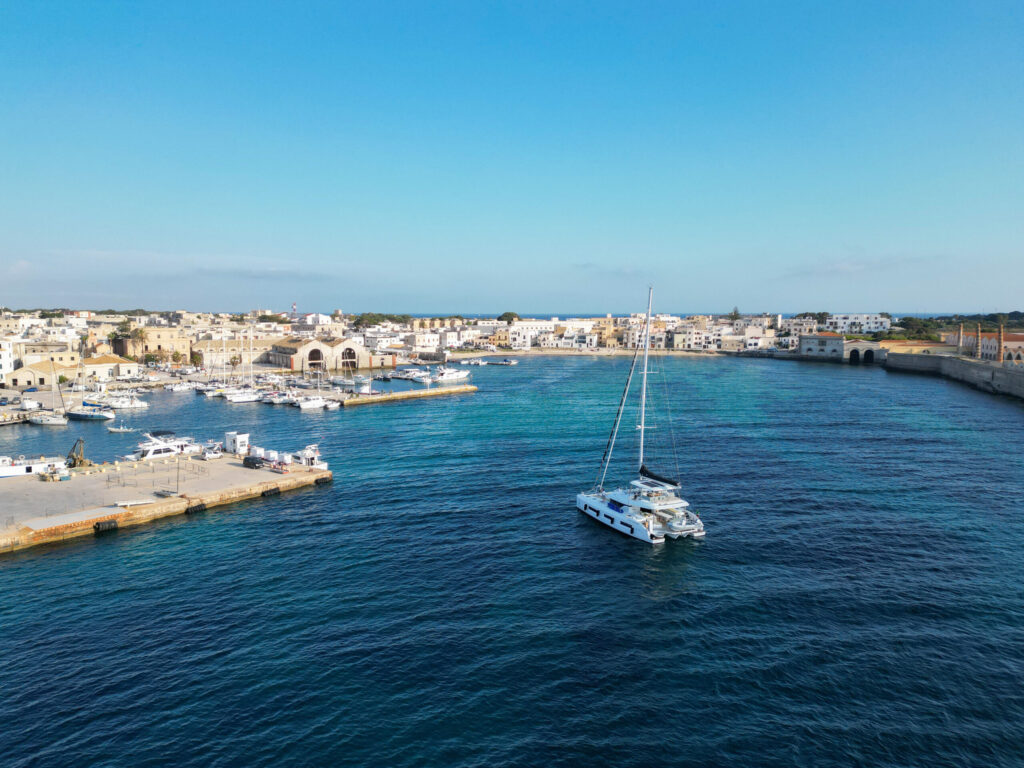
For an Egadi island stay rather than a rushed day trip. Check the distance from the port, beach access and bicycle or local transport options. Keep flexibility for ferry disruption.
Read the Favignana stay guideThings to do in Sicily
Explore Sicily’s historic landmarks: Palermo’s Palazzo dei Normanni contains the Palatine Chapel, also called Cappella Palatina. Pair it with other Arab–Norman sights and Monreale’s cathedral and cloister. In the south and east, give Agrigento’s temples and Syracuse’s Neapolis separate visits.
Explore beyond the headline cities: link Noto with Ragusa Ibla or Modica’s chocolate makers, choosing a realistic outing rather than rushing through every baroque town. Erice adds a hilltop contrast to Trapani.
Make room for an inland visit: Visit Villa Romana del Casale near Piazza Armerina for Roman mosaics and a different perspective from the coast. Check the approach and opening arrangements; it is an outing in its own right.
Build around your group: use Sicily With Kids for family priorities or Sicily for Couples for a trip with more time in one place.
Beaches and coastal experiences
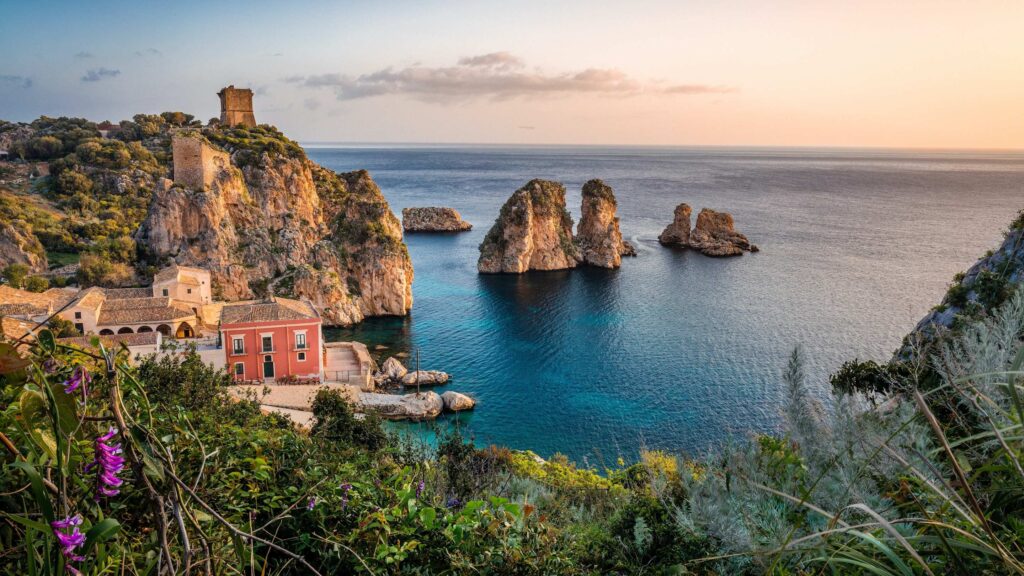
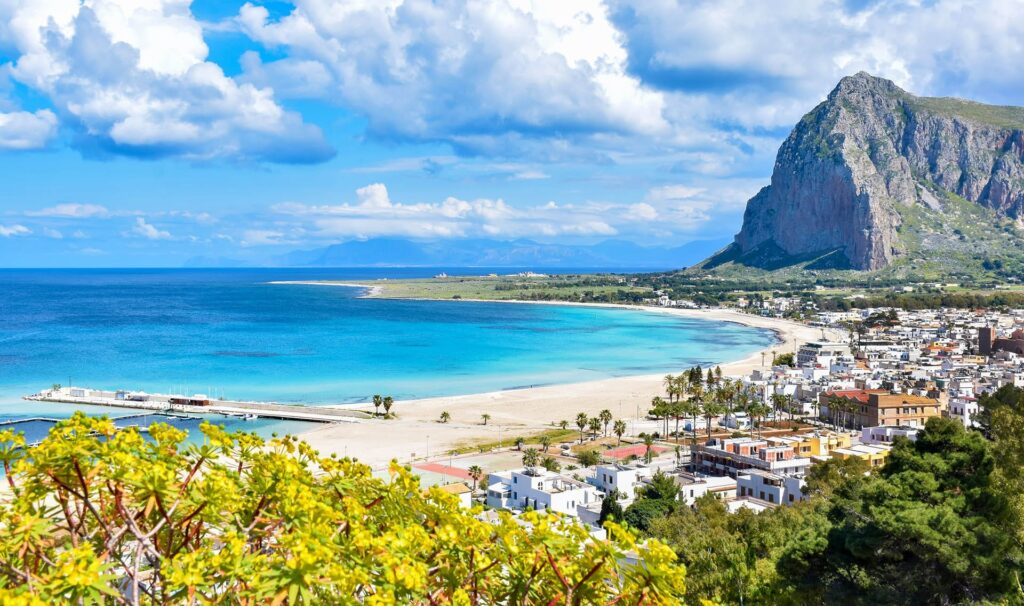
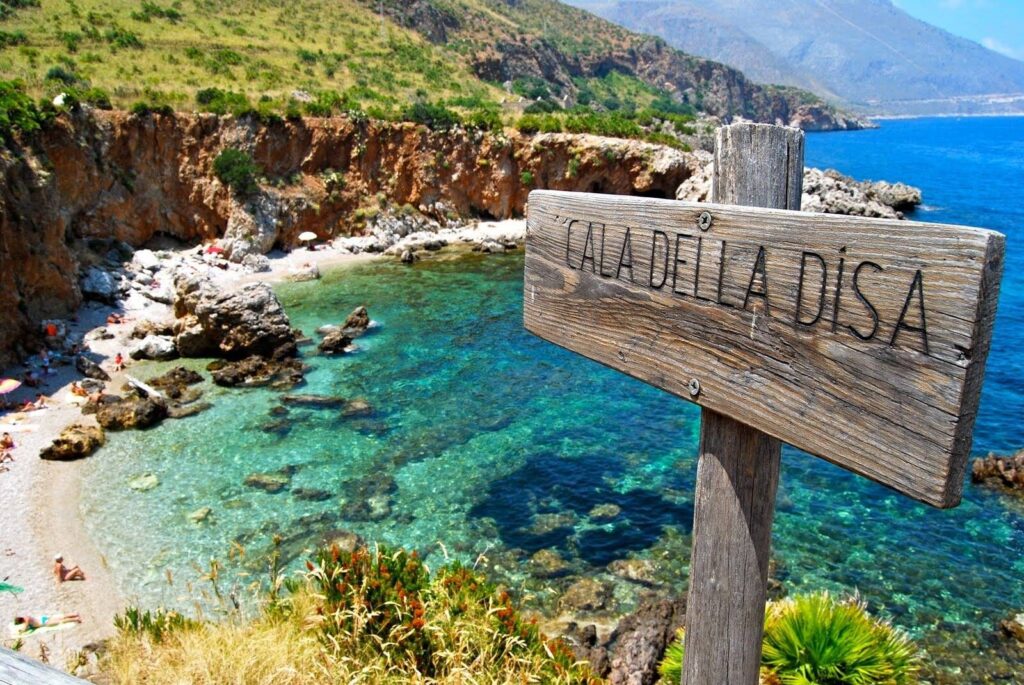
North and west: Mondello, Cefalù and San Vito Lo Capo offer sandy beach settings with seasonal services. Scopello’s tonnara is a managed heritage site; Zingaro’s coves involve reserve access and walking, rather than a drive-up beach.
East: Isola Bella and Mazzarò sit below Taormina; Giardini Naxos offers another coastal base. Aci Trezza and Aci Castello have rocky lava shores. Near Syracuse, consider Fontane Bianche and check the actual beach approach.
South-east: Vendicari’s beaches and birdwatching areas need their own reserve checks. San Lorenzo and Marzamemi combine coastal outings with village visits; Sampieri, Donnalucata and Marina di Ragusa offer other sandy stretches. Conditions and crowding vary.
South coast: distinguish permitted beach access near Scala dei Turchi from access to the protected white cliff. Follow Realmonte’s controlled-access arrangements and closure notices; do not climb barriers or treat the cliff as a swimming platform. Check the reserve manager’s current approach and access advice before Torre Salsa.
Islands: Favignana’s sandy Lido Burrone differs from rocky Cala Rossa and Bue Marino. Levanzo and Marettimo need separate boat and access planning. In the Aeolians, Canneto on Lipari, Vulcano’s black-sand coast, Salina’s Pollara and Stromboli’s Ficogrande have different access and facilities.
Choose swimming and boat outings for the day’s conditions and your ability. Carry water and shade for coves, check flags and local notices, and book only after checking the departure port, protected-area rules and cancellation terms. A morning departure does not guarantee calm seas.
Nature and volcanic landscapes
Mount Etna
Choose Etna’s southern or northern approach around the routes currently permitted, your equipment and your guide’s assessment. Lava fields and lower landscapes can offer alternatives when higher routes are closed. Check Etna Park’s municipal access orders before booking and again before setting out. Volcanic activity, wind and weather can change the available outing; do not assume a summit or crater walk is permitted.
Vulcano and Stromboli
These are active volcanic environments. Cool weather alone does not make a crater outing suitable. Check the municipal orders archived by INGV for Vulcano and Stromboli, current Civil Protection notices and local operators. Follow current route, gas-risk, guide and marine exclusion requirements. Keep a museum or town-based alternative; views of eruptions are never guaranteed.
Coastal reserves and inland hills
Use the Zingaro reserve guide to plan the walk, then check the reserve manager’s live notices. Check current trail access, closures and visitor rules before setting out; fire, weather or maintenance can change the available routes. Vendicari, Torre Salsa, the Madonie, the Nebrodi and the Alcantara landscape each need route-specific checks. Stay on marked paths and carry the supplies your route requires.
Culture, food and wine
Sicily’s Greek, Roman, Arab–Norman and baroque layers are best understood through a few well-chosen visits. Palermo’s cathedral, La Martorana and the Palatine Chapel offer different perspectives; Agrigento’s museum adds context to the temples. Check official opening and ticket information for your dates.
What to eat
In Palermo, try panelle, crocchè, sfincione or pasta con le sarde; Catania brings pasta alla Norma, cipollina and granita with brioche. Fish couscous belongs to the western food story. Look for caponata, arancini, cannoli filled to order and Modica chocolate. Ask about ingredients and cross-contact if you have an allergy or coeliac disease.
Choose one wine area
Etna is known for Nerello Mascalese reds and Carricante whites; the south-east offers Frappato and Cerasuolo di Vittoria. Around Marsala, explore fortified styles, Grillo and Catarratto; the Aeolians add Malvasia delle Lipari. Passito di Pantelleria comes from a separate island, requiring its own travel plan.
Book a particular estate and check the tasting, food, duration and transfer arrangements. Use a designated driver or arranged transport. Compare actual menus and inclusions rather than relying on fixed island-wide food or tasting prices.
Town feasts, food festivals and performances can shape a visit; confirm dates with the organiser or tourist office. Dress appropriately for churches and processions, greet shopkeepers and ask before photographing people.
Local experiences to consider
Use cultural outings or food experiences to complement your route. Check the departure town, meeting point, transport, duration, inclusions, language and cancellation terms. Sicily-wide results may include activities far from your base.
These offers contain affiliate links. We may earn a commission at no extra cost to you.
Cultural experiences around Palermo
Food experiences in Sicily
Suggested itineraries
The routes below include arrival and departure days. Nights are stated explicitly; choose flights and services that fit the sequence. Keep a weather-independent alternative for sea and volcano days.
7 days: eastern Sicily, two bases
Overnights: Catania 3 nights, then Syracuse 3 nights. Transport: trains and buses between the cities, plus a booked Etna outing; a car is optional for rural excursions. Arrive and depart through Catania. Change base on day 4.
Days 1–3: arrive and explore Catania; devote one day to Etna as an excursion, returning to Catania. Use the remaining full day for Taormina, including the journey from Taormina-Giardini station to the centre. If Etna is unavailable, choose Catania’s monastery, museums and markets instead.
Days 4–7: transfer to Syracuse on day 4 and settle in. Use day 5 for Ortigia and Neapolis at your pace; day 6 can be Noto with pre-planned transport or a local coastal outing. Depart on day 7, allowing the full airport journey. Skip the day trip if you prefer more time in Syracuse.
7 days: western Sicily, two bases
Overnights: Palermo 3 nights, Trapani 3 nights. Transport: a city-to-city bus plus booked outings can work; a car is assumed for independent Scopello and Zingaro visits. Arrive through Palermo and depart through Palermo or Trapani. Change base on day 4.
Days 1–3: arrive in Palermo, explore its markets and Arab–Norman sights, then choose Monreale or a Cefalù outing. Day 4: transfer to Trapani and explore the city; add Erice only if your arrival time and its transport allow.
Day 5: take a Favignana day trip and return to your Trapani room; this route does not include an island overnight. If sailings are disrupted, use Trapani’s sights or Marsala with suitable transport. Day 6: choose a Scopello/Zingaro outing only after checking reserve access and return transport, or visit Segesta. Day 7: travel to your departure airport.
10 days: western cities to the south-east
Overnights: Palermo 3, Agrigento 2, Catania 2, Syracuse 2. Transport: a car is assumed beyond Palermo. Arrive in Palermo and depart from Catania; base changes are days 4, 6 and 8.
Days 1–3: Palermo, with Monreale or Cefalù as your main outing. Day 4: collect the car and transfer to Agrigento. Day 5: give the Valley of the Temples and museum time, with a coastal viewpoint only if it fits.
Day 6: treat Agrigento to Catania as a substantive transfer day; do not add Etna, a tasting and another distant stop. Day 7: choose Etna or Taormina, with Catania’s indoor sights as the poor-weather alternative. Day 8: change base to Syracuse. Day 9: Ortigia and archaeological sights, or one baroque-town outing. Day 10: drive to Catania airport and return the car.
14 days: west, Etna and an Aeolian stay
Overnights: Palermo 3, Trapani 3, Agrigento 1, Catania 2, Lipari 3, Milazzo 1. Transport: car or pre-arranged mainland transfers after Palermo; passenger ferry to Lipari. Arrange mainland car return or lawful parking before sailing. Arrive in Palermo and depart from Catania.
Days 1–3: Palermo and one nearby outing. Day 4: change base to Trapani; use days 5–6 for Erice, the salt pans and a weather-dependent Favignana day trip. Replace the boat day with a mainland visit if necessary. Day 7: move to Agrigento and visit the temples only if your arrival time allows; otherwise prioritise them next morning.
Day 8: transfer to Catania, keeping any remaining temple visit brief and avoiding extra distant stops. Day 9: Etna excursion, or Catania/Taormina if conditions prevent it. Day 10: change base to Lipari: allow mainland travel to Milazzo port, check-in, ferry travel and the onward transfer to your accommodation. Keep the day for travel.
Days 11–12: explore Lipari; add another island only if the day’s sailings and return connection suit you. Museums and town walks are alternatives to sea excursions. Day 13: return by ferry and stay in Milazzo, leaving a mainland buffer before your flight. Day 14: transfer to Catania airport. For a slower mainland alternative, use Palermo (4 nights), Trapani (3), Agrigento (2) and Catania (4), replacing the Lipari and Milazzo stages.
Getting there and around
Choose the arrival side first
Palermo: a practical arrival for the north-west. Trenitalia connects Palermo Aeroporto with city stations, including Palermo Centrale; check the service and your final walk. See Trenitalia’s Palermo airport connection.
Catania: the main arrival choice for an eastern route. Catania Aeroporto Fontanarossa railway station is separate from the terminal and linked by an AMTS shuttle. Check the official train-and-shuttle information and the bus option for your destination. Trapani airport may suit a western itinerary; compare actual flights and onward services.
Trains, buses and driving
Build a car-free route around the actual train timetable and regional bus operators, checking weekend services and works. Taormina-Giardini station is on the coast below the hilltop centre; plan the ASM onward bus or a taxi. A rail arrival is not arrival at your Taormina hotel.
A car adds flexibility for rural stays and scattered sights. Confirm each town’s ZTL restrictions and your accommodation’s legal approach and parking. Allow for slower roads, luggage and breaks. Check the whole door-to-door journey rather than relying on a single train time or a universal two-hour transfer limit.
Offshore islands and mainland ferries
Plan the Egadi from Trapani and the Aeolians commonly from Milazzo as separate networks. Marsala and other ports have route- and season-specific services; verify your exact sailing with Liberty Lines or the relevant ferry operator. Mainland and Strait of Messina services require their own terminal and timetable checks. Weather can change or cancel sailings, so avoid a tight ferry-to-flight connection.
Orientation map
Use this map to understand Sicily’s geography. Specific journeys need a check of the station or port, the actual service and the onward journey to your accommodation.
Practical information
When to visit
Spring and autumn often suit city visits and walks, with variable weather and rain possible. Summer brings hotter conditions, especially inland, and strong demand at popular coastal resorts. Sea temperature, swimming conditions and crowding vary; do not plan around guaranteed warm water or quiet streets.
Winter can suit Palermo, Catania and a food-focused trip, while mountain weather, shorter daylight and reduced seasonal services affect outdoor and island plans. Read the winter Sicily guide and confirm openings before booking.
Bookings and costs
Compare accommodation by its exact location and total cost, including parking, local taxes and cancellation terms. Apartments can suit longer family stays; agriturismi often need a car. Check attraction availability and festival dates, and reserve time-sensitive services. Keep some cash alongside cards for smaller purchases.
Access, heat and everyday planning
Historic centres can involve steps, cobbles and steep streets. Ask accommodation and attractions about the specific entrance, lift, bathroom and route you need; a general accessibility label is not enough. On hot days, reduce exposed sightseeing and plan indoor breaks.
Bring sun protection, water, suitable walking shoes and layers for altitude. Rocky coves may call for water shoes; volcano outings need equipment appropriate to the permitted route. Refill bottles only from supplies marked drinkable, and ask your host about the local water.
Respect reserve barriers, nesting areas and volcanic exclusions, take litter away and use authorised paths. Check opening hours, dress requirements and local notices. Avoid adding too many overnight stops or treating an exposed archaeological site, a long transfer and a distant excursion as one routine day.
More Sicily guides
Explore more towns, islands, nature and holiday ideas across Sicily.





Sicily FAQs
+How many days should I spend in Sicily?
Allow 3–4 days for one city and nearby outings. A week works best in an eastern or western cluster, usually with one or two bases. Ten to fourteen days allow more regions, but transfer days still need space.
+Should I choose eastern or western Sicily for a first visit?
Choose the east for Etna, Taormina, Syracuse and the Val di Noto, usually arriving at Catania. Choose the west for Palermo, Trapani, Erice and the Egadi, usually arriving at Palermo or Trapani. Let your flights and main interests decide.
+Can I explore Sicily without a car?
Yes, with a route built around connected cities such as Palermo, Cefalù, Catania and Syracuse. Check the exact train or bus service and the final journey to your accommodation. Rural stays, reserves and wineries may need a transfer or organised outing.
+Where should I stay for a first trip?
For a short visit, choose one well-connected city. For a week in the east, Catania and Syracuse are practical complementary bases; in the west, consider Palermo and Trapani. Choose Ortigia for its historic island setting, or a coastal base if beach time matters more.
+When is the best time to visit?
Spring and autumn often suit city walks and outdoor sightseeing, while summer brings hotter conditions and peak demand at coastal resorts. Swimming conditions vary with the weather. Winter can suit a city and food trip, with fewer seasonal transport and tourism services.
+How should I plan Etna and offshore island visits?
Check current official volcano notices, local access orders and operator conditions before committing to Etna, Vulcano or Stromboli. Ferries and excursions can change or be cancelled. Keep a land-based alternative and return to the mainland before a time-critical flight.
Plan your Sicily holiday
Choose an eastern or western starting point, match your bases to your available nights, and leave room for the journey. Compare accommodation, choose a few priority experiences and keep a flexible day for weather-dependent plans.