Sicily blends ancient theatres, volcano days, and island light. Cities hum with markets and mosaics. Beaches curl under cliffs. Wine zones sit on lava and sea breezes. Use this guide to plan clear, calm days with short moves.
Jump to
ToggleReasons to Visit Sicily
Sicily offers scale and variety. Ancient Greek sites stand near Arab‑Norman cathedrals. Baroque towns glow at sunset. Mount Etna shapes landscapes and wine. Offshore islands invite boat days. Food is bold and seasonal. Distances are manageable with smart routing.
Core highlights at a glance
Valley of the Temples at sunset.
Arab‑Norman Palermo and Monreale.
Mount Etna craters and lava fields.
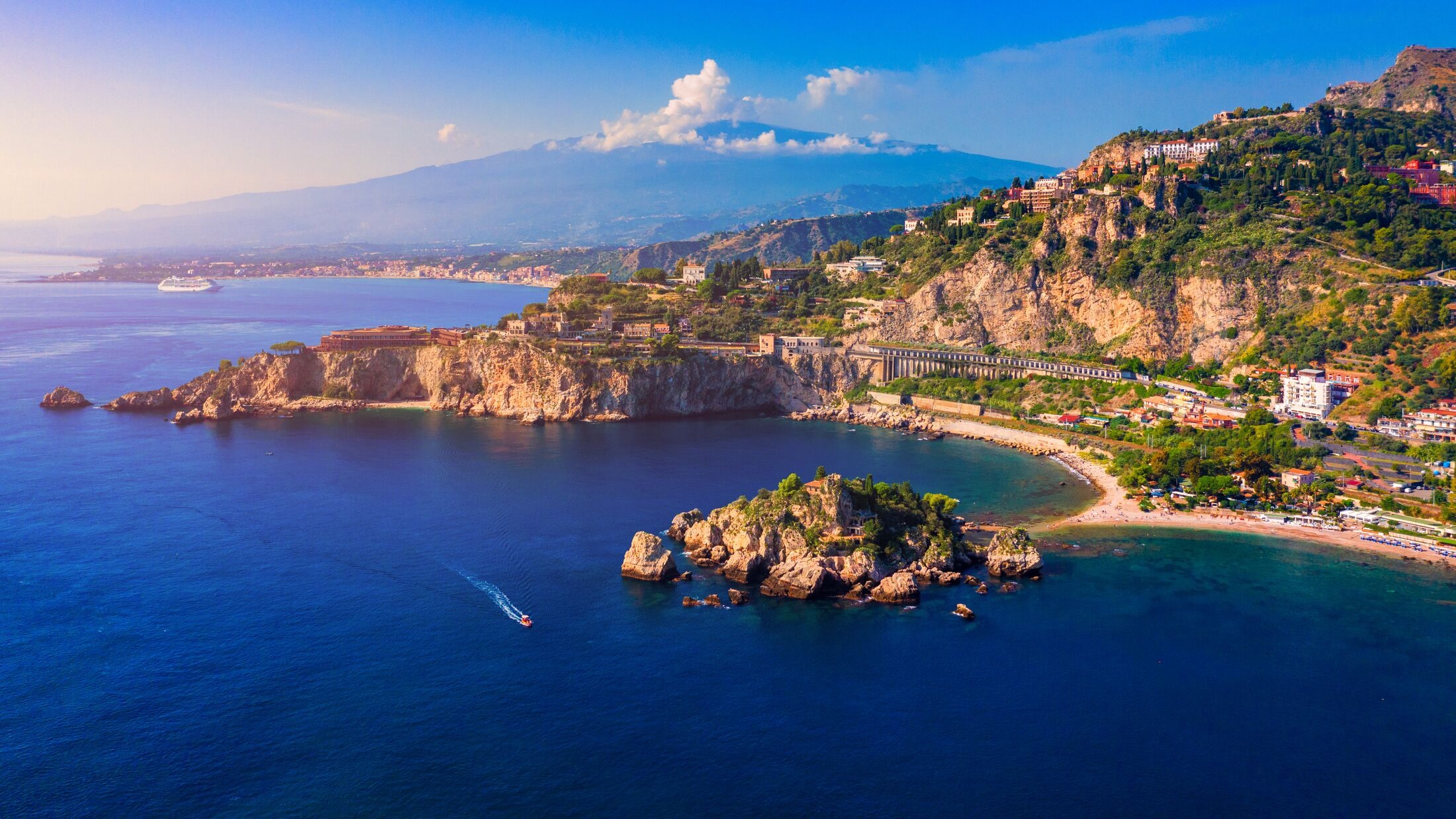
Taormina’s Greek Theatre and Isola Bella.
Syracuse’s Ortigia and Neapolis Park.
Late Baroque towns of the Val di Noto.
Aeolian Islands boat trips and hikes.
Zingaro Reserve coves and coastal paths.
Cefalù’s beach, lanes, and mosaic cathedral.
Best time to visit
Spring brings flowers and mild days. April to June suits hiking and city time. Summer is hot, especially inland. July and August suit sea days and late evenings. Autumn stays warm. September and October offer warm seas and calmer crowds. Winters are soft on the coast and quiet in small towns.
Quick picks
For hiking and sightseeing: April, May, early June, October.
For beaches and island hopping: June, September, early October.
For festivals and long evenings: June to September.
For value and quiet: November to March, outside holidays.
Getting there and around
Airports
Palermo (PMO): North‑west gateway for Palermo, Cefalù, and the west. The on‑site Punta Raisi railway station links directly to Palermo Centrale.
Catania (CTA): East coast hub for Etna, Taormina, and Syracuse. The Aeroporto Fontanarossa train stop connects to the terminal via a short AMTS shuttle.
Ferries and hydrofoils
Mainland ferries: arrivals at Palermo and other major ports.
Strait of Messina: ferries run 24/7 between Messina and Villa San Giovanni (≈20 minutes).
Islands: Aeolian services usually from Milazzo; Egadi from Trapani/Marsala. Summer brings more departures.
Season & weather: routes and frequency change; morning sailings are often calmer.
Trains and buses
Main rail links run along the coasts.
Buses fill gaps inland and between towns.
Allow buffer time between transport modes.
Travel times snapshot
Palermo → Cefalù: ~1 h (train)
Palermo → Trapani: ~2 h (bus)
Catania → Taormina: ~1 h (train)
Catania → Syracuse: ~1–1.5 h (train)
Palermo → Agrigento: ~2 h (train/bus)
Driving notes
Historic centres use ZTL zones.
Park on the edge and walk in.
Roads are scenic but slow in hills.
Book automatic cars early in summer.
Where to stay in Sicily (smart bases)
Choose two or three bases. Keep transfers short. Mix city culture with coast or islands.
Palermo (north‑west)
Street food, markets, and Arab‑Norman art. Easy day trips to Monreale, Cefalù, and the coast. Nightlife is lively. Parking is tricky in the centre.
Stay for culture, food, and day trips west.
Good areas Kalsa, Capo, Politeama, and near the Quattro Canti for car‑free stays.
Cefalù (north coast)
A sandy beach, lanes, and a mosaic cathedral. The town suits families and couples. It pairs well with Palermo or the Madonie.
Stay for easy beach days with a classic old town feel.
Catania (east)
Markets, lava stone streets, and a baroque core. Handy for Etna, the Alcantara, and the coast. Good transport links.
Stay for Etna access and a lively urban base.
Good areas Centro Storico around Piazza Duomo and Via Etnea for car‑free stays; if driving, pick accommodation just outside ZTL.
Good areas Centro Storico around Piazza Duomo and Via Etnea for car‑free stays; if driving, pick accommodation just outside ZTL.
Taormina (east coast)
Clifftop views, the Greek Theatre, and Isola Bella. Prices trend higher in season. Use the cable car for beach runs.
Stay for views, heritage, and resort comforts.
Good areas Centro Storico for strolling and dining; Mazzarò for beach access. Main car parks: Porta Catania and Porta Messina.
Syracuse & Ortigia (south‑east)
Ortigia blends Greek layers and sea air. Cafés edge the water. The Neapolis Park sits nearby for classic sites.
Stay for history, island ambience, and calm evenings.
Good areas Ortigia for car‑free stays by the water; Santa Lucia/Neapolis for easier access and parking.
Val di Noto towns: Noto, Ragusa, Modica, Scicli
Late Baroque architecture and warm stone. Chocolate shops and quiet lanes. Each town offers a distinct mood.
Stay for architecture, food, and slow nights.
Agrigento & the south coast
The Valley of the Temples glows at dusk. Beaches dot the coast east and west. The town itself spreads on hills.
Stay for world‑class archaeology and sunset visits.
Trapani, Erice, and the salt pans (west)
Harbour light, island views, and cable‑car rides up to Erice. Salt flats turn pink in season. Boats reach Favignana.
Stay for coast drives, Egadi access, and hilltop views.
Marsala and the western vineyards
Wineries, lagoon kitesurfers, and sunsets over islands. Town lanes are gentle and bright.
Stay for wine tastings and relaxed coastal days.
Aeolian Islands: Lipari, Vulcano, Salina, Panarea, Stromboli, Filicudi, Alicudi
Seven islands with distinct characters. Lipari is central and practical. Salina feels green and gourmet. Vulcano offers sulfur vents and easy hikes. Stromboli is dramatic at night. Filicudi and Alicudi are quiet and remote.
Stay for boat days, hikes, and slow island time.
Top things to do in Sicily (map your days)
Use these ideas to shape short, full days. Mix one headline site with one lighter stop.
Walk the Valley of the Temples at sunset.
Tour Arab‑Norman Palermo and Monreale mosaics.
Ride up Etna and walk on old lava.
See Taormina’s Greek Theatre with sea views.
Explore Ortigia and Neapolis in Syracuse.
Hop across the Aeolian Islands from Lipari or Milazzo.
Hike coves in the Zingaro Reserve.
Swim under the cliffs of Scala dei Turchi.
Sip Etna wines in tiny lava‑stone estates.
Taste Modica chocolate from historic makers.
Day‑trip to Erice by cable car and stroll the lanes.
Kayak around Isola Bella on a calm morning.
Visit Villa Romana del Casale’s mosaics inland.
Watch Stromboli’s glow at dusk from a boat.
Laze on Cefalù’s beach and climb La Rocca.
Walk Ragusa Ibla’s stairways at blue hour.
Bike on Favignana and stop in small coves.
Birdwatch at Vendicari and swim nearby.
Stroll Noto’s Corso at golden hour.
Join a Palermo street‑food walk and sample classics.
Beaches and swimming spots
Sicily offers variety. Long sandy arcs sit near pebble coves. Many beaches rent sunbeds in summer. Bring water shoes for rocks.
North and west
Mondello (Palermo): classic city beach with shallow water; busy in summer.
Cefalù: family‑friendly sands with old‑town backdrop; La Rocca views.
San Vito Lo Capo: long sands, gradual entry, services on the promenade.
Zingaro coves: small pebbly bays with clear water; no services—carry water and shade.
Tonnara di Scopello: scenic rocks and clear pools; ticketed access to the heritage site.
East
Isola Bella (Taormina): iconic cove; narrow pebble spit; arrive early.
Giardini Naxos: sandy stretches and lidos near resorts.
Aci Trezza & Aci Castello: lava platforms for sunbathing and snorkel.
Fontane Bianche: easy access south of Syracuse; sandy, family‑friendly.
South‑east
Vendicari Reserve: wild beaches (Eloro, Marianelli, Calamosche); short walks, limited shade.
San Lorenzo & Marzamemi: sandy arcs, turquoise water, village evenings.
Sampieri & Donnalucata: wide sands and dunes; space even in high season.
South coast
Scala dei Turchi: photogenic cliffs; access may be restricted—obey closures and signs.
Torre Salsa: protected sands and space; rough approach roads in parts.
Marina di Ragusa: promenade, lidos, and evening strolls.
Islands
Aeolian:
Lipari: Spiagge Bianche (pebbly, bright water), Canneto lidos.
Vulcano: black sands at Sabbie Nere; short crater hikes on cool days.
Salina: Pollara for sunsets; steps down, pebbly.
Stromboli: Ficogrande black sand; evening boat trips for lava glow.
Panarea: Cala Junco amphitheatre cove; short walk in.
Filicudi/Alicudi: quiet coves, limited services—pack supplies.
Egadi:
Favignana: Cala Rossa and Bue Marino for snorkel; Lido Burrone for sand and services.
Levanzo: Cala Fredda clear water, pebbles; small village vibe.
Marettimo: rocky coves and boat‑only grottos; superb snorkel on calm days.
Beach tips
Lidos rent umbrellas and loungers from late spring to autumn.
Wild coves often lack shade and water—plan ahead.
Morning is calmer for boats and snorkel; afternoons can be windier.
Watch for jellyfish after strong onshore winds.
Food and wine essentials
Sicilian food is regional and seasonal. Flavours are bold and clear. Plans work best with simple, fresh choices.
Market culture
Morning markets fuel the day. Look for tomatoes, capers, citrus, and swordfish.
Buy picnic food early. Heat wilts produce by midday.
Ask for small tastes. Sellers are friendly when it is calm.
Street food and quick bites
Arancini with ragù, pistachio, or butter and ham.
Panelle and crocchè in sesame rolls.
Sfincione trays with onion, tomato, and anchovy.
Stigghiola (grilled lamb intestines) for the adventurous.
Pane ca’ meusa (spleen roll) in Palermo.
Cipollina and cartocciata in Catania’s bakeries.
Classic plates
Pasta alla Norma with fried aubergine and ricotta salata.
Pasta con le sarde with fennel, raisins, and pine nuts.
Caponata in sweet‑sour balance. Eat it warm or cold.
Couscous di pesce in the west, steamed and fragrant.
Involtini di pesce spada on the coast.
Braciole messinesi (stuffed meat rolls) in the north‑east.
Coastal specialties
Tuna, swordfish, and red prawns in summer.
Octopus salads with lemon and parsley.
Sea urchin pasta in season. Respect quotas and closures.
Sweets
Cannoli filled to order. Shells should crack and flake.
Cassata, from marzipan rings to light sponge versions.
Granita with brioche, especially in the east. Try almond.
Modica chocolate with a gritty, cold‑worked texture.
Frutta martorana marzipan fruits in autumn.
Coffee and breakfast
At the bar, pay first, then order. Rules vary by place.
Breakfast is quick: espresso, cappuccino, pastry, or granita.
Cappuccino after meals is unusual. Ask if you prefer it.
Wine map: quick guide
Etna DOC: Nerello Mascalese reds, Carricante whites. Mineral and fresh.
Cerasuolo di Vittoria DOCG: Nero d’Avola with Frappato. Cherry and spice.
Nero d’Avola (varietal): ripe fruit and structure across the island.
Frappato: light, fragrant reds from the south‑east.
Grillo / Catarratto: bright whites; great with seafood.
Marsala: historic fortified styles, from dry to sweet.
Malvasia delle Lipari: sweet Aeolian wine for desserts.
Passito di Pantelleria: amber nectar from Zibibbo grapes.
Tasting routes
Etna Nord & Sud: winery clusters near Randazzo and Zafferana.
Vittoria area: Frappato and Cerasuolo estates around Acate.
Marsala & Trapani: seaside cellars for fortified styles and crisp whites.
Book small estates ahead. Many host a few slots per day.
Buying and shipping
Bottles travel best in wine sleeves. Shops sell protective bags.
Many estates ship within the EU. Ask for mixed cases.
Check baggage rules for liquids before you buy.
Dietary notes
Vegetarian plates are easy: caponata, pasta alla Norma, salads.
Vegan options exist in markets and trattorie with sides.
Celiacs: look for “senza glutine” pizza bases and pasta.
Etiquette and timing
Lunch runs 12:30–14:30. Dinner starts after 19:30.
Bread and cover charge may appear as “coperto.”
House wine can be excellent. Ask for local by the carafe.
Price cues
Street snacks: €2–6. Pasta dishes: €9–16.
Winery tastings: €15–35, more with food pairings.
Seafood grills vary by catch and weight.
Wine to seek out
Etna Rosso/Bianco: volcanic elegance.
Cerasuolo di Vittoria DOCG: cherry‑bright blends.
Nero d’Avola: ripe and versatile.
Marsala: historic fortified wine.
Malvasia delle Lipari: sweet island wine.
Passito di Pantelleria: amber dessert wine.
Tasting tips
Designate a driver or use transfers.
Pair tastings with light, slow lunches.
In summer, book morning slots for cooler cellars.
Bring a jumper. Barrels rooms can feel chilly.
Sample itineraries
Adjust to your arrival airport and season. Keep transfers short. Use mornings for big sites in summer.
7 days: East focus
Day 1–2: Catania Markets, lava stone streets, and a baroque core. Try a street‑food lunch. Visit the Roman Theatre.
Day 3: Etna Cable car and guided walk. Add a winery tasting.
Day 4–5: Taormina Greek Theatre and Isola Bella. Early start for views. Evening strolls and gelato.
Day 6–7: Syracuse & Ortigia Neapolis Park in the morning. Swim near Ortigia and dine by the water.
7 days: West focus
Day 1–2: Palermo Arab‑Norman art, markets, and lanes. Monreale for mosaics.
Day 3: Cefalù Beach time and cathedral art. Climb La Rocca if cool.
Day 4–5: Trapani & Egadi Salt pans and Favignana by bike. Sunset on the lagoon.
Day 6–7: Zingaro & Scopello Hike coves. Swim and relax in small bays.
10 days: Coast and culture loop
Days 1–2: Palermo Markets and mosaics. Evening street food.
Day 3: Cefalù Beach and old town.
Day 4–5: Agrigento Valley of the Temples at sunset. Visit Scala dei Turchi.
Day 6–7: Taormina & Etna Theatre views. Etna day with tasting.
Days 8–10: Syracuse & Val di Noto Ortigia strolls. Noto at golden hour. Optional Vendicari swim.
14 days: Islands and interiors
Days 1–3: Palermo base Monreale and a half‑day food tour.
Days 4–6: Trapani with Egadi Favignana by bike. Lagoons at dusk.
Day 7: Agrigento Valley of the Temples.
Days 8–10: Aeolian Islands Base in Lipari or Salina. Sunset at Stromboli.
Days 11–14: Catania, Taormina, Etna City day, volcano day, and a coast day.
Practical planning tips
Heat and siesta
Start early in summer.
Rest at midday. Swim or nap.
Sightsee again after 17:00.
Crowds and tickets
Prebook headline sites in high season.
Choose late visits for sunsets and cooler air.
ZTL and parking
Check ZTL maps for each town.
Book stays with parking if you drive.
Use park‑and‑ride where offered.
Cash and cards
Cards work widely. Small places may prefer cash.
Carry coins for parking meters.
Safety and health
Use sun protection and water on hikes.
Check volcano advisories before booking summit trips.
Respect sea conditions and local signs.
Language and etiquette
Italian is helpful beyond tourist cores.
Learn simple phrases and greetings.
Dress modestly in churches.
Shopping hours
Many shops close midday.
Evenings are lively, especially in summer.
Accessibility
Old towns have steps and cobbles.
Ask hotels about lifts and ramps.
Reserve accessible rooms in advance.
With kids
Beaches, boat trips, and short museum visits work well.
Choose apartments with kitchens.
Plan playground stops and gelato breaks.
Sustainable choices
Use trains and buses for some legs.
Refill bottles at fountains.
Follow reserve rules and marked paths.
Palermo highlights
Palermo mixes Arab‑Norman art, lively markets, and grand theatres. Lanes change mood by quarter. Plan mornings for churches and mosaics. Keep evenings for food and piazzas.
How to explore
Walk Kalsa, Capo, Albergheria, and La Loggia. Each has its feel.
Use the main spine from the Cathedral to Quattro Canti and Piazza Pretoria.
Add Monreale for mosaics. Taxi or bus works best.
Essential sights
Cathedral roofs for city and sea views.
Palazzo dei Normanni and the Palatine Chapel (time‑slot entry).
Quattro Canti, Piazza Pretoria, and nearby baroque churches.
Teatro Massimo tour behind the scenes.
Santa Maria dell’Ammiraglio (La Martorana) golden mosaics.
San Cataldo with red domes.
Cappella Palatina and palace courtyards—arrive early.
Markets and street food
Ballarò and Capo for stalls and snacks.
Try panelle, crocchè, sfincione, arancini, and seasonal fruit.
Go early for calm photos; mind pockets in crowds.
Museums and extras
Regional Archaeological Museum for sculpture and island finds.
Oratory of San Lorenzo stuccoes by Serpotta.
Catacombe dei Cappuccini (macabre, not for everyone).
Botanical Garden for a quiet green hour.
Easy day trips
Monreale cathedral and cloister (half‑day).
Cefalù for beach and mosaics (train ~1 h).
Castellammare & Scopello for coast views (car or transfer).
Food and evening areas
Aperitivo around Piazza Olivella and Piazza Sant’Anna.
Seafood near La Cala harbour.
Sweet stops for cannoli and almond granita.
Practical tips
Many churches close at midday. Check hours at entry.
ZTL operates in the centre. Park outside and walk in.
Dress modestly in churches. Shoulders covered helps.
Summer heat: visit interiors late morning; stroll after 18:00.
Short Palermo list
Cathedral roofs for views.
Palazzo dei Normanni and the Palatine Chapel.
Quattro Canti and nearby churches.
Teatro Massimo tour.
Street‑food walk with a local guide.
Catania and Etna highlights
Catania’s streets are dark with lava stone. Morning markets sell fish and fruit. The Roman Theatre hides among homes. Cafés line elegant squares. Etna rises above with tracks and craters.
How to explore
Start at Piazza Duomo and the Elephant Fountain.
Walk Via Etnea to Piazza Università and the gardens of Villa Bellini.
Detour along Via Crociferi for baroque churches.
Duck into the Roman Theatre & Odeon.
Visit La Pescheria fish market before lunch.
Catania essentials
Cathedral of Sant’Agata and side chapels.
Monastery of San Nicolò l’Arena (cloisters and rooftops).
Castello Ursino for city history.
Teatro Massimo Bellini façade and evening mood.
Etna: choosing your day
Etna Sud (Rifugio Sapienza): cable car + 4×4 shuttles to high viewpoints; marked trails to lower craters.
Etna Nord (Piano Provenzana): quieter feel, lava flows, pine woods.
Alcantara Gorges: lava‑formed river canyon; pair with a short Etna walk.
Winery ideas
Foothill estates near Randazzo, Passopisciaro, and Zafferana. Book ahead.
Practical tips
Layers for altitude. Sun, wind, and ash change quickly.
Good shoes; volcanic gravel is loose.
Respect closures during activity spikes.
Short Catania and Etna list
La Pescheria market at breakfast time.
Via Crociferi baroque churches.
Roman Theatre and Odeon.
Etna South for cable car and trails.
Winery lunch in the Etna foothills.
Etna safety note
Conditions change—check advisories.
Use certified guides for summit routes.
Carry layers, water, and sun protection.
Access on other active islands (e.g., Stromboli) can change—follow official guidance.
Taormina highlights
In Taormina, views sweep across sea and volcano. The Greek Theatre is the star. Isola Bella sits below in a narrow cove. Evenings feel cinematic.
How to explore
Morning at the Greek Theatre for soft light.
Stroll Corso Umberto and its side lanes.
Pause in Villa Comunale gardens for views.
Take the cable car to Mazzarò for swims.
Boat loop around Isola Bella on a calm day.
Practical tips
Parking at Porta Catania or Porta Messina; walk or shuttle up.
Peak hours crowd the theatre; book an early or late slot in season.
Shoes with grip help on cobbles and stairs.
Short Taormina list
Greek Theatre early or late.
Corso Umberto stroll and side lanes.
Villa Comunale gardens.
Cable car to Mazzarò for swims.
Boat trip around Isola Bella.
Syracuse & Ortigia highlights
Ortigia is compact and elegant. Sea light frames piazzas. The Neapolis Archaeological Park holds a vast theatre and quarries.
How to explore
Circle Ortigia on foot: Piazza Duomo, the cathedral, and seafront walks.
Visit the Arethusa Spring and the market near the bridge.
Cross to Neapolis Park for the Greek Theatre, Roman Amphitheatre, and the quarry caves.
Museum add‑ons
Paolo Orsi Museum for sculpture and ancient finds.
Small churches hide Caravaggio copies and local art.
Swim & pauses
Platforms on Ortigia’s edge allow quick dips on calm days.
Sunset aperitivo on the west side is classic.
Short Syracuse list
Piazza Duomo at golden hour.
Arethusa Spring and seafront walks.
Neapolis Park in the morning.
Market tastings near the bridge.
Swim platforms on calm days.
Val di Noto highlights
Warm stone and detailed facades define these towns. Each offers stairs, views, and slow cafés.
How to explore
Noto: cathedral steps, Corso Vittorio Emanuele, evening passeggiata.
Ragusa Ibla: views from Giardino Ibleo and church‑lined lanes.
Modica: chocolate shops and the split lower/upper town.
Scicli: film‑set streets and quiet palazzi.
Practical tips
Many viewpoints require stairs. Plan breaks.
Pair town walks with a late swim at Vendicari or Marina di Ragusa.
Short list
Noto’s cathedral square.
Ragusa Ibla viewpoints.
Modica’s chocolate shops.
Scicli’s film‑set lanes.
Evening passeggiata on main streets.
Agrigento & the south coast highlights
The Valley of the Temples sits on a ridge. Columns catch late light. The archaeological museum gives context. Nearby, white cliffs meet turquoise water.
How to explore
Visit the Archaeological Museum first for context.
Walk the ridge at the Valley of the Temples near sunset.
Add the Kolymbethra Garden for shade and citrus.
Drive to Scala dei Turchi for a viewpoint stop.
Choose a quiet beach at Torre Salsa when seas are calm.
Practical tips
Summer heat is strong: carry water and start late afternoon.
Respect any closures at Scala dei Turchi due to erosion.
Short list
Temple of Concordia at dusk.
Kolymbethra Garden.
Scala dei Turchi viewpoint.
Torre Salsa nature reserve.
Dinner in the old town.
Trapani, Erice, and the Egadi highlights
Salt pans mirror sunsets. Erice crowns a hill above the sea. Boats reach Favignana and its bays. The cable car (Funivia di Erice) pauses in high winds and outside peak seasons—check schedules on the day.
How to explore
Old‑town Trapani for churches and the seafront.
Cable car to Erice for lanes and panoramas.
Stagnone Lagoon for kites and pink light in season.
Boat or hydrofoil to Favignana; rent bikes for coves.
Food notes
Couscous di pesce is a local staple.
Salt‑cured capers and tuna products feature in menus.
Short list
Cable car to Erice.
Favignana by bike with cove stops.
Salt museum and windmills.
Stagnone lagoon at dusk.
Fish couscous in port taverns.
Aeolian Islands highlights
Each island feels distinct. Plan two or three nights for rhythm.
How to explore
Base in Lipari or Salina for easy hops.
Book boats in season; wind changes routes.
Carry water and shade for hikes.
Island snapshots
Lipari: archaeology museum, cliff views, Canneto swims.
Vulcano: crater rim walk on cool mornings; black sands.
Salina: Pollara sunset, capers, and green slopes.
Stromboli: dusk boat for the Sciara del Fuoco glow.
Panarea: Cala Junco amphitheatre cove, chic evenings.
Filicudi/Alicudi: remote paths, minimal services—pack light and plan.
Short list
Lipari’s archaeology and views.
Vulcano’s crater hike on a cool day.
Salina’s green slopes and capers.
Stromboli’s evening glow from the water.
Filicudi’s quiet paths.
Festival and events snapshot
Dates shift each year. Expect food fairs, music shows, and town feasts. Summer brings many events. Ask tourist offices for current schedules. Book stays early around major festivals.
One‑day ideas by base
From Palermo
Palermo + Monreale mosaics.
Cefalù beach and cathedral art.
Zingaro hike and Scopello swim.
From Catania
Etna cable car and short hike.
Taormina theatre and Isola Bella.
Syracuse Ortigia and Neapolis Park.
From Syracuse
Noto and Vendicari swims.
Ragusa Ibla lanes and viewpoints.
Modica chocolate and baroque churches.
From Trapani
Favignana bike and beach day.
Erice hill town and salt pans.
Marsala wineries and lagoon sunset.
Budgeting and trip costs
Prices shift by season and town. Summer raises rates in resorts. Cities offer range year‑round.
Broad pointers
Apartments give value for families.
Car hire spikes in peak months.
Tours to Etna and islands price by demand.
Local markets help moderate costs.
Accommodation types
City hotels suit short, car‑free stays. Apartments work for longer trips. Agriturismi offer rural calm. Seaside resorts bring pools and private beaches. Island guesthouses feel intimate. Book parking with hotels if you drive.
Packing and practical kit
Light layers, hat, and high‑SPF sunscreen.
Water shoes for rocky coves.
Light scarf for churches and breezes.
Swim bag and quick‑dry towel.
Reusable bottle; many towns have fountains.
Small first‑aid kit for hikes.
Etiquette and cultural tips
Greet shopkeepers. Accept small delays with patience. Coffee culture is quick at the bar. Dinner starts later than in northern Europe. Dress modestly in churches and during processions.
Photography tips
Golden hour flatters stone towns. Midday suits clear water shots. Carry a microfiber cloth for sea spray. Ask before photographing people at markets.
Accessibility planning
Historic cores mean steps and cobbles. Some sites add ramps and lifts. Contact attractions in advance for access notes. Coastal promenades are often smooth and flat.
Responsible travel
Stay on marked trails in reserves. Pack out trash. Refill bottles and reduce plastic. Support small producers and guides. Respect closures around active volcanic zones.
Mistakes to avoid in Sicily
Driving into ZTL in historic centres.
Visiting big archaeological sites at midday in summer.
Choosing too many bases for a short trip.
Not pre‑booking Etna tours and peak‑season hydrofoils.
FAQs
What is the best time to visit Sicily? Spring and autumn offer warm, comfortable days. Summer brings heat and long light. Winter is mild on the coast and quiet.
Is one week enough for Sicily? Yes, with a focused plan. Pick two bases and one hero theme. Keep drives short and visits early.
Should I rent a car? A car helps reach reserves and small towns. Trains and buses work well on the coasts. Combine both if you can.
How many bases should I choose? Two or three bases fit most trips. Add an island base if you have extra days.
Is Sicily family‑friendly? Yes. Choose easy beaches and apartments. Plan breaks in the heat. Book family rooms ahead in summer.
Can I visit Mount Etna without a guide? Yes for lower areas and marked paths. Use certified guides for summit zones. Check advisories before any booking.
What are the must‑see attractions? The Valley of the Temples, Arab‑Norman Palermo and Monreale, Etna, Taormina’s theatre, and Syracuse’s parks rank high.
Which islands are best for first timers? Lipari and Salina are easy. Vulcano is close and active. Stromboli draws night trips. The Egadi fit the west.
How do ZTL zones work? They restrict car access in historic centres. Signs mark entries. Fines apply if you enter without clearance.
What should I eat in Sicily? Try arancini, pasta alla Norma, pasta con le sarde, caponata, cannoli, and granita with brioche.
Is tap water safe? Tap water is generally safe in cities. In rural areas, ask your host. Many towns offer public fountains.
Can I swim year‑round? The sea is warmest June to October. Winter swims suit hardy travellers on sunny days.
Where should I stay without a car? Palermo, Catania, Taormina, Syracuse, and Cefalù work well. They offer transport links and walkable cores.
Do I need cash? Cards are common. Carry some cash for small cafés, beach parking, and kiosks.
How far in advance should I book? Book early for July and August. Reserve Etna tours and island stays weeks ahead.
Plan Your Sicily Itinerary
Choose 2 bases (max 3) to cut packing and travel time Reserve 1 hero experience: Etna, Valley of the Temples, or an Aeolian boat day Add 1 beach afternoon and 1 tasting (wine or street‑food) Keep transfers under 2 hours and visit headline sites early
Discover Sicily: Cities, Villages, Posts & Nature
Disclosure: This page may contain affiliate links. This means that we get a small commission from any purchase you make, at no additional cost to you!