Mount Etna rises high above Sicily’s east coast, its dark slopes and smoking craters visible from beaches, vineyards and city streets. This restless volcano shapes local life, from black‑lava villages and fertile vineyards to ski runs and summer hiking trails. For many visitors to Sicily, a day or two on Mount Etna becomes the highlight of their trip.
This guide to Mount Etna helps you understand the mountain, choose the right side to visit, and plan your tour, hike or day trip from Catania, Taormina or Giardini Naxos. You will also find ideas for winter visits, wine tasting and small villages, plus practical tips on safety, clothing and the best time to go.
Explore This Guide
ToggleWhere Mount Etna Is and Why It Matters
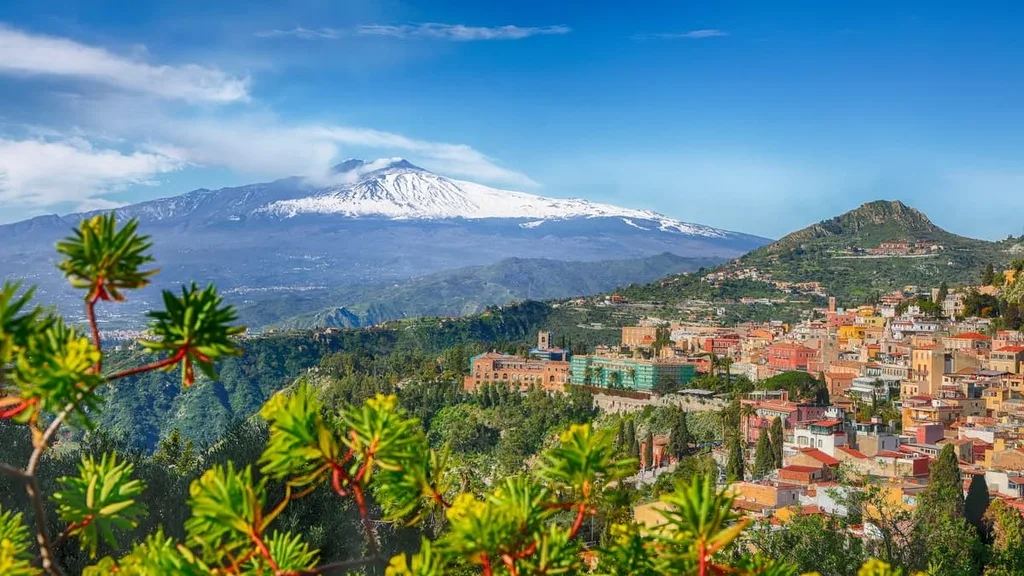
Mount Etna sits on the east coast of Sicily, between Catania and Messina. It dominates the skyline of the region and is one of the most active volcanoes in the world. Its height changes after eruptions, but recent measurements put it at about 3,400 metres above sea level.
Etna lies within Parco dell Etna Regional Nature Park and its summit area is a UNESCO World Heritage Site. In many travel guides you will also see it described as Etna National Park Sicily. The volcano’s almost continuous activity, layered lava flows and many craters make it a key place for scientists who study how our planet works. For travellers, the same forces create a dramatic volcanic landscape of black ash, twisted lava fields and steaming vents.
Despite its power, Mount Etna is also a place of everyday life. Towns and villages sit on its lower slopes. Locals grow vines, olives, citrus and vegetables in the rich volcanic soil. Etna wine region has become one of the most interesting wine areas in Italy, with Etna DOC wines now known far beyond Sicily.
Choosing Your Etna Side: South or North?
Most visitors start their Mount Etna tour from one of two main access hubs. Each side offers a different atmosphere and set of activities. The south side suits first time visitors who want simple logistics, while the north side feels quieter and more natural.
Etna South Side – Rifugio Sapienza and the Classic Route
The south side is the busiest gateway and the most popular option for a first visit.
Rifugio Sapienza, often called Etna Sud, is a small resort area high on the mountain. From Catania, you drive or take a bus up through Nicolosi and reach a cluster of hotels, cafés, souvenir shops and parking areas. This is where the Etna cable car, known as the Funivia dell Etna, begins.
From Rifugio Sapienza you can:
Ride the Etna cable car up to around 2,500 metres.
Join a 4×4 tour or Etna jeep tour towards higher viewpoints.
Walk around the famous Silvestri craters near the car park.
Start guided hikes towards active zones if conditions allow.
The atmosphere here is lively, with many day trippers and bus tours. If you want a straightforward Mount Etna tour with minimal planning, Etna South side is a strong choice.
Etna North Side – Piano Provenzana and Quieter Trails
The north side of Etna feels wilder and less commercial.
Piano Provenzana, or Etna Nord, is reached via Linguaglossa. This area is known for ski runs in winter and peaceful hiking in summer. There are some hotels, rental shops and cafés, but fewer crowds than at Rifugio Sapienza.
From Piano Provenzana you can:
Explore trails across old lava flows that buried former ski lifts and forests.
Join an Etna 4×4 tour on rough tracks.
Enjoy wide views towards the Nebrodi and Madonie mountains and the sea.
If you like nature, photography and quieter paths, Etna North side may suit you better. In winter, this is also one of the main bases for skiing on Mount Etna.
How to Visit Mount Etna from Catania, Taormina and the Coast
Mount Etna from Catania
Catania is the closest major city to the volcano and a classic base for a Mount Etna day trip.
You can visit Mount Etna from Catania in several ways:
Organised Mount Etna tour: easy if you want hotel pick up, guiding and transport all in one.
Public bus to Rifugio Sapienza: a budget option that gives you free time at Etna Sud.
Self drive: ideal if you want to explore villages and viewpoints at your own pace.
Many tours combine Mount Etna with wine tasting at local vineyards, or with a stop at Alcantara Gorges later in the day.
Mount Etna from Taormina and Giardini Naxos
Taormina and nearby Giardini Naxos sit north of Catania on the coast. From here, Mount Etna rises as a dramatic backdrop behind the town.
Most visitors choose a Mount Etna guided tour from Taormina, with pick up at hotels or central meeting points. You can pick:
Half day Etna sunset tour with short walks.
Full day Etna and Alcantara Gorges tour.
Etna and wine tour with tastings in Etna wine region.
If you have a car, you can drive to either Etna South side or Etna North side. Taormina to Rifugio Sapienza takes about 1.5 hours depending on traffic.
Mount Etna from Messina and Cruise Stops
Cruise ships often dock in Messina, and many passengers choose a Mount Etna shore excursion.
These tours usually include transport from the port, a stop at one of the Etna sides, time for a short walk and some free time for photos and snacks. Some shore excursions add a visit to Taormina, so you can see both the volcano and the famous town in one long day.
What to Expect on a Classic Mount Etna Tour
A typical Mount Etna tour focuses on Etna South side and combines cable car, 4×4 transport and short walks.
Cable Car and 4×4 Experience
Most standard tours from Catania or Taormina will:
Drive you up to Rifugio Sapienza.
Include tickets for the Funivia dell Etna.
Add a 4×4 jeep tour towards higher viewpoints.
At the top station of the cable car you step out into a stark volcanic landscape. From here, off road vehicles take you further up ash slopes towards craters and lookout points. Guides explain recent eruptions, show you fumaroles where warm gases escape, and point out older lava flows that shaped the terrain.
You usually spend some free time walking on clearly marked paths. The air is thin and cool, but most visitors manage the short walks without difficulty.
Short Walks and Crater Views
Even if you do not go to the highest permitted areas, you can still enjoy striking views across Mount Etna craters and lava fields. On a clear day, you see the coastline, Catania city and sometimes even Calabria across the Strait of Messina.
Around Rifugio Sapienza, paths circle around old Silvestri craters. These loops are short, but the views give you a good first sense of Etna volcanic landscape.
If conditions are stable and local rules allow, some small group tours walk closer to active zones with licensed alpine or volcanology guides. Access changes often, so always check the current situation when you book.
Hiking and Trekking on Mount Etna
Mount Etna hiking is one of the best ways to feel the scale of the volcano.
Easy Walks and Family Friendly Trails
For most travellers, easy walks near Rifugio Sapienza, Piano Provenzana or in lower forests are enough. These short, marked trails usually cross old lava flows, ash slopes and scattered pine or beech trees and are suitable for families and casual walkers. They offer safe views of the volcano without long climbs.
Typical easy options include:
Short loops around old craters near Rifugio Sapienza.
Gentle forest paths and lava flow viewpoints near Piano Provenzana.
Lower altitude walks through villages and chestnut groves on the slopes.
If you travel with children, pick a route that keeps walking times short and includes plenty of breaks.
Longer Treks and Summit Hikes
More ambitious hikers can join guided hikes that go higher on the mountain. These routes might reach viewpoints near 3,000 metres, or in some periods allow a partial Etna summit hike.
Because the volcano is active, independent summit attempts are not allowed. Regulations require licensed guides for high altitude areas. A good Etna guided hiking tour will provide helmets, equipment and clear safety briefings.
Be aware of altitude effects. Even if you start your day at sea level, you will feel cooler air and thinner oxygen at higher levels. Walk slowly, drink water and wear layers.
What to Wear for an Etna Hike
Conditions on Mount Etna change quickly. Even in summer, you can feel cold wind, dust and sudden clouds.
For comfort and safety, pack:
Sturdy closed shoes or light hiking boots.
Long trousers to protect from sharp rocks.
Warm layers and a windproof jacket.
Hat, sunglasses and sun cream.
A buff or scarf to cover your mouth and nose if ash blows in the air.
Many tour operators offer boot and jacket rental at the mountain base if you arrive unprepared, but bringing your own gear is usually more comfortable.
Mount Etna in Winter: Snow, Skiing and Volcanic Views
Mount Etna in winter offers a completely different experience. Snow often covers the upper slopes from late autumn to early spring, turning the volcano into an unusual ski destination.
Skiing on Mount Etna
There are two main ski areas:
Etna Sud ski area near Rifugio Sapienza.
Piano Provenzana ski area on the north side.
You can ski with smoking craters in the background and sea views on clear days. Runs are not very long, but the setting is unique. Facilities include ski lifts, rental shops and simple mountain cafés.
Weather can change quickly, with strong winds and snow conditions that vary from year to year, so always check the Etna snow season before planning a dedicated ski trip.
Other Winter Activities
If you do not ski, you can still enjoy:
Snowshoe walks with a guide.
Sledging and snow play areas for children.
Short walks through snowy forests and lava fields.
Do not underestimate winter weather. Temperatures can drop well below freezing at higher levels, and roads sometimes close during storms. Always follow local advice.
Etna Wine Region, Food and Villages
Mount Etna is not only about craters and ash. Its lower slopes support one of Italy’s most exciting wine areas and many characterful villages.
Etna DOC Wines and Vineyards
The Etna wine region wraps around the lower northern and eastern slopes. Volcanic soil, altitude and cooler temperatures produce fresh, mineral wines. Etna DOC wines often include red Nerello Mascalese and Nerello Cappuccio grapes and white Carricante.
Many vineyards offer Etna wine tasting and cellar visits. You can join an Etna vineyards tour from Catania or Taormina, or drive between wineries if you have a car and a designated driver.
Food Specialities and Local Products
Volcanic soil supports more than vines. Look for:
Chestnut products from mountain villages.
Local honey, sometimes flavoured with orange blossom or wildflowers.
Seasonal mushrooms from Etna forests.
Simple mountain dishes in trattorias and agriturismo farms.
An Etna agriturismo or farm stay lets you combine rural accommodation, local food and easy access to the volcano.
Villages on the Slopes of Etna
Scattered around the volcano, several villages make good bases or stops on a day trip.
Nicolosi: often called the gateway to Etna South side, with restaurants, shops and small hotels.
Zafferana Etnea: known for honey, views and festivals.
Linguaglossa: base for Etna Nord and Piano Provenzana.
Randazzo: a medieval town built in dark lava stone with narrow streets and historic churches.
You can build an Etna villages itinerary that links a few of these places with viewpoints, churches and wine estates.
Practical Tips, Safety and Current Activity
Mount Etna is a powerful active volcano, and its mood changes from calm steam to sudden eruptions.
Is Mount Etna Safe to Visit?
For most tourists, Mount Etna is safe as long as you follow rules and stay in permitted zones. Local authorities monitor the volcano closely. When activity increases, they may close upper paths, suspend certain tours or redirect flights.
Respect all closures, warning signs and guide instructions. Do not walk off marked routes or approach fresh lava without expert supervision.
Understanding Eruptions and Access Restrictions
Etna erupts frequently, sometimes with fountains of lava and ash clouds. These events can be spectacular when seen from a safe distance, but dangerous nearby.
Before your trip, check recent Etna volcano activity level through official channels or your chosen tour operator. If the volcano is very active, your tour might focus on lower viewpoints, forests and lava fields instead of higher craters.
Weather, Best Time to Visit and What to Pack
Weather on Mount Etna depends strongly on season and altitude.
Spring and autumn are often the best times, with mild temperatures and good visibility.
Summer brings strong sun and crowds at lower levels, but it can still feel cool and windy near the top.
Winter brings snow, ice and cold winds, especially at Etna Nord.
Always pack more layers than you think you need. A Mount Etna packing list should include sturdy shoes, a warm layer, a windproof jacket, sun protection and water, even for short visits.
Sample Itineraries: How Many Days for Mount Etna?
You can experience Mount Etna in different ways, depending on your schedule and interests.
Half Day Mount Etna Tour
If you have limited time, a Mount Etna half day tour from Catania or Taormina gives you a taste of the volcano. You typically visit Rifugio Sapienza, ride the cable car, join a short jeep transfer and walk around accessible craters.
This option suits cruise passengers or travellers with tight itineraries.
One Day Mount Etna Itinerary
With a full day, you can:
Spend more time hiking near the upper stations.
Add Alcantara Gorges for a cool river contrast in summer.
Combine the volcano with Etna wine tasting at a vineyard.
A balanced Mount Etna one day itinerary might include morning on the mountain, lunch at a winery and a relaxed end to the day in a village.
Longer Stays and Multi Day Visits
If you have extra days in Sicily, consider staying on the slopes of Etna.
You could:
Base yourself in a village like Nicolosi, Zafferana Etnea or Linguaglossa.
Plan different walks or drives on the south and north sides.
Include a winter day of skiing on Mount Etna if you visit in season.
A multi day stay lets you see different moods of the volcano in changing light and weather.
FAQs
Where is Mount Etna in Italy?
Mount Etna is on the east coast of Sicily, between Catania and Messina. It rises close to the Ionian Sea.
How high is Mount Etna?
The height of Mount Etna changes after eruptions, but it currently stands at about 3,400 metres.
Is Mount Etna worth visiting?
Yes. Mount Etna offers a rare mix of active volcanic scenery, easy access, villages, vineyards and winter snow. Few places in Europe feel similar.
How do you visit Mount Etna from Catania?
You can join an organised tour, use a public bus to Rifugio Sapienza, or drive yourself to Etna South side or Etna North side.
How do you visit Mount Etna from Taormina?
Most travellers book guided tours with hotel pick up. Driving is also possible if you are comfortable with mountain roads.
Can you go to the top of Mount Etna?
Access to the highest zones depends on current volcanic activity and safety rules. In many periods, you can only approach the summit area with licensed guides.
Do you need a guide for Mount Etna?
You do not need a guide for short walks near Rifugio Sapienza or Piano Provenzana, but high altitude treks require a licensed guide by law.
Can you hike Mount Etna without a tour?
Yes, at lower levels and on marked trails. For safety and logistics, many visitors still prefer a guided hike.
Is Mount Etna suitable for children?
Yes, if you choose short walks, check the weather and bring warm clothing. Many kids enjoy the cable car, jeeps and crater views.
Can you ski on Mount Etna?
Yes, in winter when snow conditions allow. Ski areas operate at Etna Sud and Piano Provenzana.
What is the best time of year to visit Mount Etna?
Late spring and early autumn often combine pleasant temperatures, clear views and manageable crowds. Winter is ideal if you like snow scenes and skiing.
Plan Your Mount Etna Adventure
Mount Etna rewards every kind of traveller, from casual day trippers to dedicated hikers and wine lovers. Whether you ride the cable car for quick crater views, trek across old lava flows, ski with sea views or sip volcanic wines at sunset, time on this volcano adds real depth to a Sicily itinerary.
Start planning your own Mount Etna day trip or longer stay. Choose the south or north side, pick a tour or hike that matches your fitness, and pack layers for changing weather. Then let Europe’s most active volcano show you just how powerful and beautiful Sicily can be.
Disclosure: This page may contain affiliate links. This means that we get a small commission from any purchase you make, at no additional cost to you!